
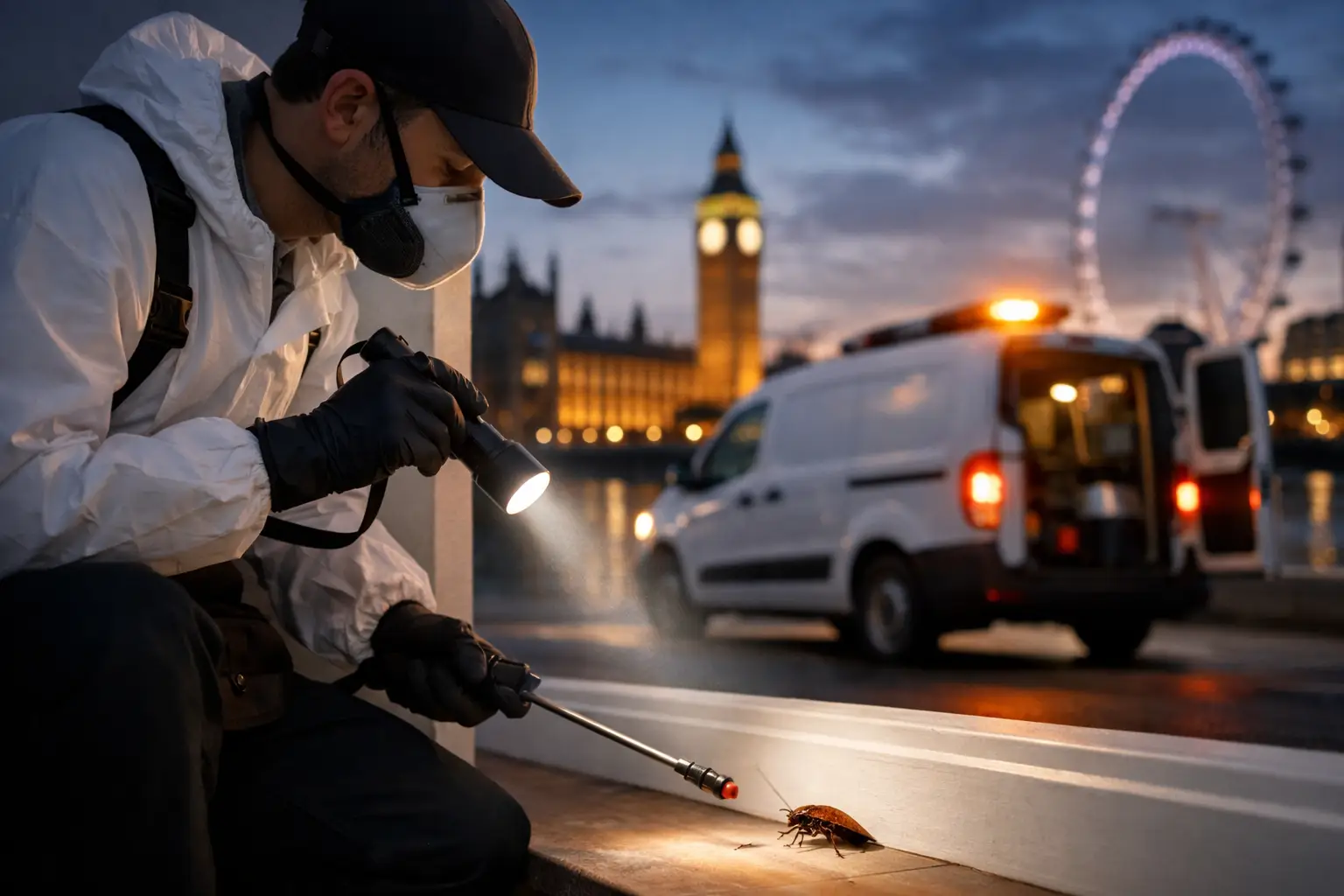
A rat in the kitchen at 2am, a wasp nest near the front door on a warm afternoon, bed bugs discovered just before guests arrive – pest problems rarely wait for office hours. That is exactly why 24/7 emergency pest control London matters. When a pest issue threatens health, safety, hygiene or business operations, fast action is not a luxury. It is the difference between a contained problem and a much bigger one.
In London, emergency pest control is not only about speed. It is about knowing when a situation is genuinely urgent, understanding the risks of delay, and choosing a qualified team that can respond calmly and effectively. For households, landlords and businesses alike, the right response protects people, property and reputation.
When 24/7 emergency pest control in London is the right call
Not every pest issue needs a same-night visit, but many do. Rodents inside a food preparation area, bed bugs spreading through bedrooms, or aggressive wasps near children, staff or customers can become serious very quickly. In commercial settings, even a single pest sighting may trigger immediate concerns around hygiene, compliance and customer confidence.
The clearest emergencies are the ones involving direct risk. Rats and mice can contaminate surfaces and food, damage wiring and insulation, and move through a property faster than most people realise. Wasps can make access points unsafe and pose a real hazard for anyone with an allergy. Cockroaches in kitchens, storage spaces or washrooms are another high-priority issue because they often indicate a wider infestation rather than a one-off sighting.
There are also situations that feel less dramatic but still need urgent attention. Fleas can spread rapidly through a home, especially where pets are present. Bed bugs can move from one room to another and become harder to contain if treatment is delayed. In rental properties, waiting too long can lead to complaints, disrupted tenancies and more expensive follow-up work.
Why delay usually costs more
People often hesitate because they hope the problem will settle on its own. With pests, that is rarely how it works. Most infestations grow quietly before they become obvious. By the time you notice droppings, bites, damaged materials or repeated sightings, the pests have often already established themselves.
Rodents reproduce quickly and use wall cavities, lofts and underfloor spaces to stay out of sight. Bed bugs are especially difficult because they hide in seams, frames and soft furnishings, then spread through luggage, clothing and shared rooms. Cockroaches are resilient and can survive in hard-to-reach spaces where shop-bought products do very little.
Delay also changes the type of treatment required. A localised issue may be solved with direct intervention and proofing advice. A longer-running infestation may need multiple visits, broader treatment and more disruption. For businesses, that can mean lost trading time, staff concern and reputational damage that far outweighs the cost of acting early.
The pests most likely to require an emergency response
In London properties, a handful of pests account for most urgent call-outs. Rats and mice sit near the top of the list because they create immediate concern in both homes and commercial premises. If they are active in kitchens, stock areas, bins, lofts or wall voids, the issue usually needs prompt inspection and treatment.
Bed bugs are another common emergency, particularly in flats, shared housing, hotels and short-stay accommodation. They are not known for spreading disease in the way rodents and cockroaches can, but they cause distress, sleeplessness and rapid loss of confidence in a property. For landlords and hospitality operators, speed matters because delays rarely stay contained to one room.
Wasps and bees need careful handling. A visible nest near an entrance, roofline, garden seating area or workplace access route can quickly make a space unsafe. The right response depends on the species, nest position and level of activity, so professional assessment is important.
Cockroaches, ants, fleas and other insects can also require urgent treatment depending on the setting. In a private home, the issue may centre on comfort and cleanliness. In a restaurant, café, office or managed property, the same issue can become operational within hours.
What to expect from a professional emergency visit
A proper emergency service should do more than arrive quickly. It should identify the pest accurately, assess the extent of activity, explain the risks clearly and start the right treatment without wasting time. Good pest control is not guesswork, especially during an emergency.
The first stage is usually inspection. That means checking signs of activity, likely entry points, nesting areas, harbourage and environmental factors that may be supporting the infestation. From there, the technician can decide whether immediate treatment is enough or whether a broader treatment plan is needed.
Clear communication matters just as much as the treatment itself. You should be told what has been found, what will happen next, what safety steps are required, and whether follow-up visits are recommended. In urgent situations, reassurance comes from competence. People want practical answers, not vague promises.
This is where an experienced local provider makes a real difference. A company such as Golden Pest Control understands the pace and pressure of London properties, from family homes to restaurants, offices and managed blocks. The aim is always the same – fast response, safe treatment and a plan to stop the problem returning.
Safe treatment matters as much as speed
When people are stressed, it can be tempting to focus only on how fast someone can attend. Speed matters, but treatment should still be safe, appropriate and carried out by trained professionals. That is especially important in properties with children, pets, vulnerable occupants, food handling areas or shared facilities.
Different pests need different approaches. Rodent control may involve a combination of trapping, baiting, proofing advice and sanitation measures. Bed bug treatments often require careful room-by-room planning and follow-up. Wasp nest treatments need the correct equipment and handling. A one-size-fits-all response is rarely the right one.
This is also why DIY products often disappoint during emergencies. They may kill a few visible pests without touching the source of the problem. In some cases, they make matters worse by scattering insects, delaying proper diagnosis or creating unnecessary risk through incorrect use.
Homes, rentals and businesses all have different priorities
Emergency pest control is never completely identical from one property to another. A homeowner may be most concerned about family safety, disturbed sleep and damage to the house. A tenant may need a fast resolution with clear documentation for a landlord or managing agent. A landlord may be balancing urgency, access and prevention across multiple units.
Commercial clients usually have additional pressures. Hygiene standards, staff welfare, customer experience and operational continuity all come into play. A café with rodent activity, a hotel with bed bug reports, or an office with wasps near the entrance cannot afford a slow or uncertain response.
That is why practical, tailored service matters. The best emergency pest control is not just about removing the immediate threat. It also considers what the property needs next, whether that is proofing, monitoring, advice on waste storage, or scheduled follow-up treatment.
Choosing the right 24/7 emergency pest control London service
In an emergency, people often call the first number they find. That is understandable, but a little care still goes a long way. Look for a company that offers genuine around-the-clock availability, clear communication and experience with both domestic and commercial pest issues.
Professional standards count. Qualified technicians, insured and bonded service, and a strong reputation all help when you need to make a quick decision under pressure. So does a provider that can explain the treatment plan in plain English and tell you honestly whether the problem needs one visit or several.
It also helps to choose a local team that knows the area and can respond across places such as Wembley, Harrow, Ealing, Hendon, Willesden and wider London without treating every call-out as if it were the same. Different buildings, neighbourhoods and property types create different pest patterns. Local knowledge improves response time and judgement.
If you are facing an active infestation, the most useful next step is simple: do not wait for it to become easier to deal with. A prompt, professional response gives you the best chance of resolving the issue quickly, safely and with far less disruption to your home or business.
3 Comments
Wasp Nest Removal Cost: What London Homes Pay - Golden Pest Control London
September 1, 2026[…] in a roof space, located behind cladding, or requires specialist access equipment. Same-day and out-of-hours visits may also carry a higher charge, particularly during the busiest part of the wasp […]
When Humane Bee Relocation Is the Right Choice - Golden Pest Control London
September 19, 2026[…] around a school entrance, in a food-handling area or near someone with a known severe allergy, urgent professional attendance is sensible. A person showing signs of a serious allergic reaction, such as breathing difficulty, […]
What Pests Need Emergency Removal? Key Signs - Golden Pest Control London
September 25, 2026[…] are among the most common reasons for emergency pest control. Rats and mice contaminate surfaces and stored food with droppings and urine, carry parasites, and […]