
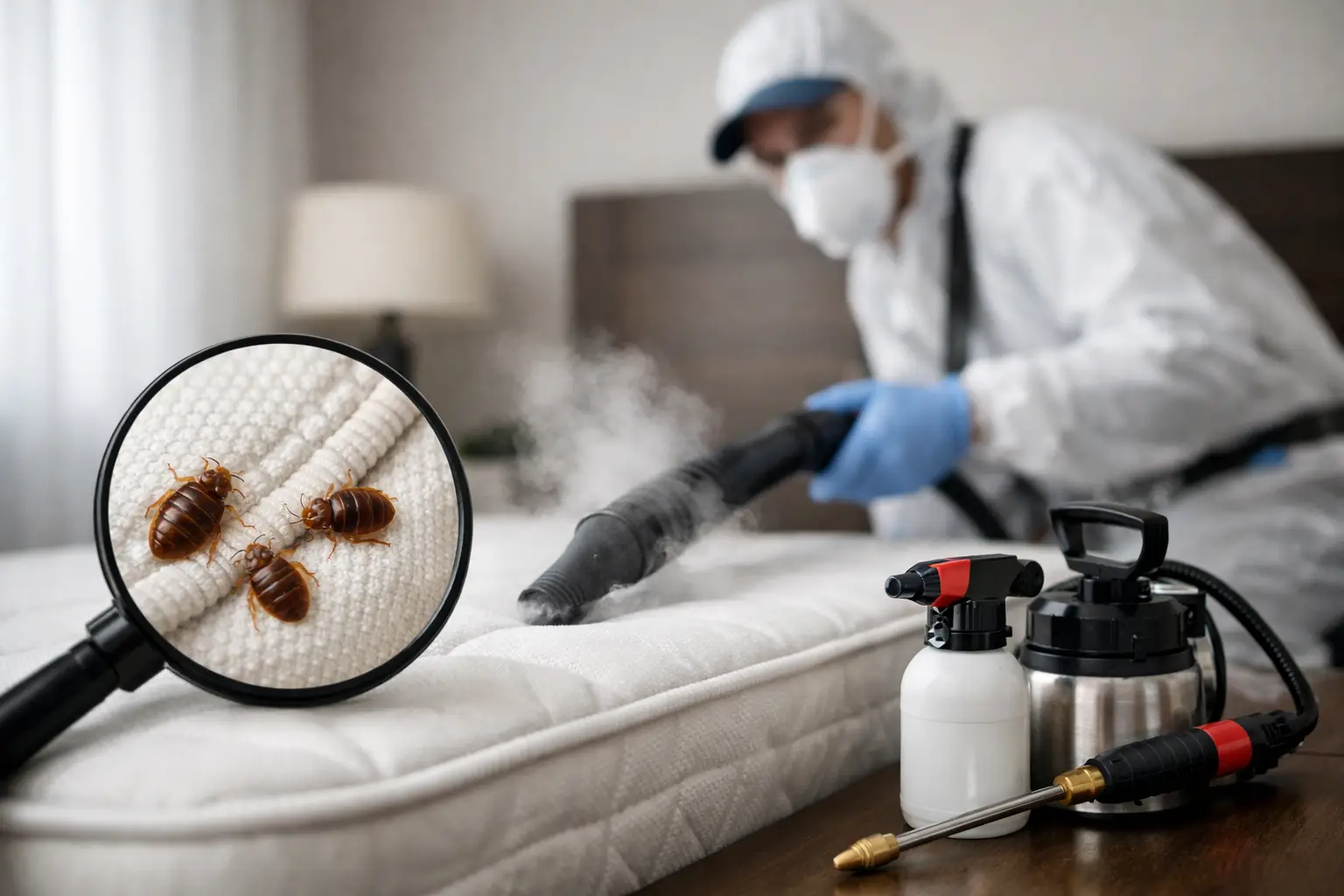
You usually notice bed bugs at the worst possible time – after a broken night’s sleep, when bites start appearing in lines, or when a guest mentions they have seen something on the mattress. If you need bed bug treatment Ealing property owners can rely on, speed matters, but so does getting the job done properly.
Bed bugs are not a sign of poor hygiene. They turn up in clean homes, busy rentals, hotels, offices and shared accommodation because they travel well. They hide in luggage, soft furnishings, clothing and second-hand items, then settle close to where people sleep or rest. That is why a proper response starts with accurate identification and a treatment plan that fits the property, not guesswork.
Why bed bug treatment in Ealing needs a careful approach
Bed bugs are small, flat and good at staying out of sight. They tend to hide in mattress seams, bed frames, skirting boards, bedside furniture, upholstered chairs and small cracks near sleeping areas. In heavier infestations, they can spread well beyond the bed itself.
This is where many DIY attempts go wrong. A quick spray on the mattress may kill a few visible insects, but it rarely reaches eggs or bed bugs hidden deeper in the room. Some over-the-counter products also push activity into other rooms, which makes the infestation harder to contain.
In flats, HMOs and multi-room properties, there is another complication. Bed bugs do not always stay where they started. They can move through wall gaps, service routes and shared furnishings. That means treatment has to consider the whole setting, not just the place where bites were first noticed.
The signs of a bed bug problem
Bites are often the first thing people notice, but bites alone are not proof. Skin reactions vary from person to person. Some people react strongly, while others show no marks at all.
A clearer sign is spotting live bed bugs, pale shed skins, tiny white eggs or small dark marks on bedding and nearby furniture. You may also notice blood smears on sheets where bugs have been disturbed after feeding. In bedrooms, check the bed frame, headboard, mattress piping, bedside units and the edges of carpets. In lounges, inspect sofas and armchairs, especially if someone regularly sleeps there.
The pattern matters. If there are repeated signs over several days, especially around sleeping areas, the safest next step is a professional inspection rather than trying product after product.
What professional bed bug treatment Ealing customers should expect
A proper service starts with inspection. The aim is to confirm the pest, measure the spread and identify the main harbourage points. That is important because treatment for bed bugs is not the same as treatment for fleas, carpet beetles or mites, even though people sometimes confuse them.
Once bed bugs are confirmed, the treatment plan should be explained clearly. In most cases, that means more than one visit. Eggs can survive the first round, and newly emerged nymphs need follow-up treatment before the infestation is fully controlled. Any company promising a one-size-fits-all quick fix for every case should be treated with caution.
Professional treatment usually combines targeted insecticidal application with careful room preparation and follow-up monitoring. The exact method depends on the level of activity, room layout, occupancy and whether the property is a house, flat, rental unit or business premises. Safety also matters. Products must be used correctly, in the right places and with clear instructions for re-entry and aftercare.
For landlords and businesses, documentation and communication are just as important as treatment. Occupants need to know what has been found, what needs preparing and what to expect next. Delays often happen because residents have not been given clear preparation guidance.
Why DIY can make bed bugs harder to remove
It is understandable to want an immediate fix. People often start with aerosol sprays, tea tree oil, mattress treatments bought online or excessive vacuuming. Some of these steps may help reduce visible activity, but they rarely solve the problem on their own.
There are a few common risks. First, the wrong product in the wrong place can be ineffective or unsafe. Secondly, repeated light treatment can scatter bed bugs into adjoining areas. Thirdly, home remedies do nothing for eggs hidden in cracks, bed joints and behind fittings.
That does not mean you should do nothing before help arrives. Washing bedding and clothing at a high temperature, drying items thoroughly, reducing clutter near the bed and avoiding movement of infested items into other rooms are all sensible steps. The key is not to confuse preparation with treatment. Preparation supports the work. It does not replace it.
How to prepare for bed bug treatment
Preparation has a direct effect on results. If technicians cannot access skirting boards, bed frames, furniture edges and likely harbourages, treatment becomes less effective.
In most homes, this means bagging bedding and washable fabrics before laundering, clearing under-bed storage, emptying certain drawers if instructed, and moving furniture slightly away from walls where practical. Vacuuming can help, but the vacuum contents should be sealed and disposed of carefully afterwards. Heavily infested items should not be thrown out unless advised, because dragging them through communal areas can spread the problem.
For commercial sites, preparation may involve access arrangements, room scheduling and staff guidance, especially in accommodation settings. Offices and hospitality venues often need treatment planned around operations so disruption is controlled without delaying action.
How long does it take to get rid of bed bugs?
This depends on the scale of the infestation, the type of property and how well preparation and follow-up are handled. A light, localised problem caught early is obviously easier to manage than a long-running infestation spread through several rooms.
Most established infestations need follow-up visits. That is normal. Bed bug control is a process, not a single event. The goal is not just to knock down visible activity on day one, but to break the life cycle and stop the infestation returning.
It is also common to see some activity after the first treatment. That does not always mean it has failed. Bed bugs emerging from hidden areas or eggs hatching after initial treatment can be part of the expected pattern, which is why follow-up timing matters.
Homes, rentals and businesses all need slightly different handling
For homeowners and tenants, the biggest concern is usually getting back to normal quickly and sleeping without anxiety. Clear advice, respectful service and fast attendance make a real difference here.
For landlords and letting agents, there is often an extra layer of urgency. Occupancy changes, tenant communication and the risk of spread between units need managing properly. Early intervention is almost always cheaper and less disruptive than waiting for complaints to multiply.
For hotels, hostels, care settings and other commercial premises, bed bugs are not just a nuisance. They can affect reputation, operations and customer confidence. In those settings, discretion, rapid response and a structured treatment plan are essential.
Preventing bed bugs after treatment
Prevention is partly about habits and partly about vigilance. After travel, inspect luggage and wash clothing promptly. Be careful with second-hand furniture, especially beds, sofas and upholstered items. In rental properties and short-stay accommodation, regular checks can help spot early signs before the issue spreads.
Mattress encasements may be useful in some cases, but they are not a complete solution by themselves. The same goes for routine cleaning. Clean rooms can still get bed bugs. The real protection comes from catching activity early and responding with the right treatment.
If a property has had bed bugs before, it makes sense to stay alert for a period after clearance. That does not mean living on edge. It simply means paying attention to fresh signs rather than assuming every bite is harmless or every insect is unrelated.
When fast action is needed, a local pest control service with experience in bed bug work can make the process far more straightforward. Golden Pest Control supports homes and businesses with safe, professional treatment and clear advice on what happens next.
A bed bug problem rarely improves by waiting, but it does become more manageable when it is identified early and treated properly. If something feels off in the bedroom, guest room or staff accommodation, trust the signs and get it checked before a small issue turns into a wider one.