
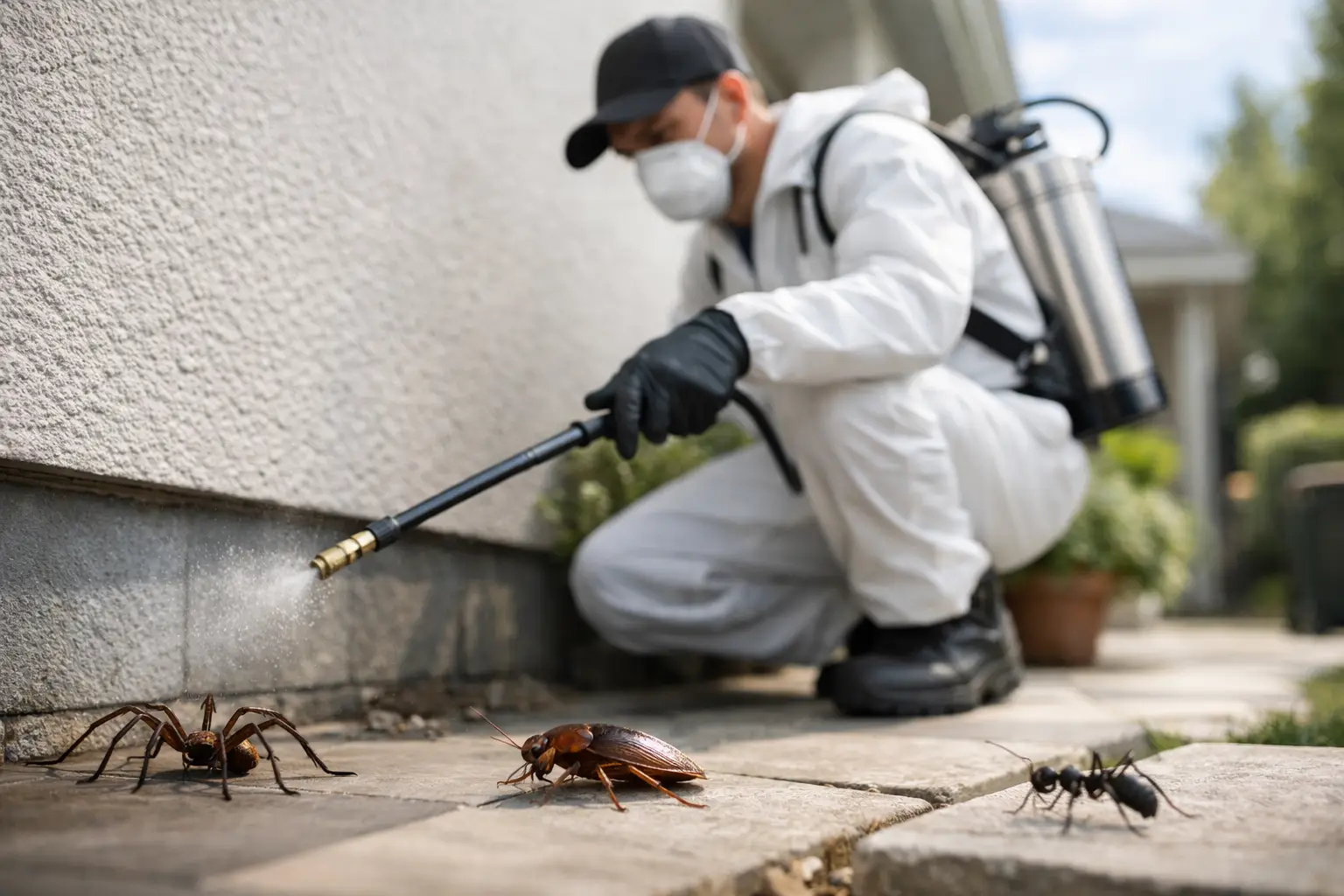
A scratching sound behind the wall at 2am, bites that show up after sleep, or a sudden stream of ants across the kitchen floor can turn a normal day into a stressful one very quickly. That is exactly when home pest control services matter most – not as a nice extra, but as a practical way to protect your property, your health, and your peace of mind.
For most households, the real issue is not just seeing a pest. It is not knowing how far the problem has spread, whether it is safe to deal with alone, or how quickly it could get worse. Rodents, bed bugs, cockroaches, fleas, wasps and other common pests do not usually disappear on their own. In many cases, they settle in, breed, and become harder to remove if action is delayed.
Why home pest control services are often the safer choice
DIY products can help in very minor cases, but they rarely solve the full problem when there is an active infestation. A trap may catch one mouse, but not reveal where it entered. A shop-bought spray may kill visible insects, but not reach eggs, nests, harbourage areas, or hidden activity behind units and under flooring.
Professional home pest control services are designed to do more than reduce what you can see. The aim is to inspect properly, identify the pest correctly, treat the source, and lower the risk of it returning. That matters because the wrong treatment wastes time and often allows the infestation to spread.
There is also a safety point to consider. Households with children, pets, vulnerable adults, or food preparation areas need careful product use and clear advice. Professional treatment should never feel vague or rushed. You should know what is being treated, why that method has been chosen, and what steps to take afterwards.
What a proper pest control visit should include
The first step should be inspection, not guesswork. Different pests leave different signs, and some problems are easy to confuse. For example, flea bites and bed bug bites may look similar to the untrained eye, while droppings from mice and cockroaches can be mistaken for something else entirely.
A proper visit should assess the extent of activity, likely nesting or hiding points, entry routes, and any conditions helping the pests survive. In a London home, that may include gaps around pipework, loft spaces, rear gardens, bin storage, cluttered voids, damaged vents, or shared walls in flats and terraces.
Treatment should then be tailored to the pest and the property. There is no single method that suits every case. Rodent control may require proofing recommendations, trapping, baiting, and follow-up checks. Bed bug treatment may involve multiple visits and detailed preparation from the occupier. Wasp nest work is different again – fast, targeted, and often urgent if the nest is near an entrance or family garden area.
Clear communication is part of the service. You should not be left wondering what happens next, whether a second visit is likely, or how to reduce the chance of another outbreak.
The pests that usually need fast action
Some pest issues can wait a day or two for inspection. Others need attention as soon as possible. Rats and mice are high on that list because they contaminate surfaces, damage wiring and insulation, and reproduce quickly. If you have seen one rodent indoors during daylight, heard activity in wall cavities, or found repeated droppings, the problem may be more established than it first appears.
Bed bugs also need a prompt response. They spread through bedrooms and soft furnishings, and the longer they remain active, the more difficult and disruptive the treatment process can become. The same applies to cockroaches, particularly in kitchens and utility areas, where hygiene becomes a serious concern.
Wasps are a different kind of urgency. A nest near the roofline, loft, shed, or entrance can turn into a risk for children, pets, visitors, and anyone with a sting sensitivity. Trying to knock down or spray a live nest without the right equipment can make the situation worse very quickly.
Home pest control services and the cost of waiting
A common mistake is hoping the issue will settle down on its own. Sometimes people see one pest and assume it is a one-off. In reality, visible activity is often only part of the picture. By the time pests are regularly noticed in the open, there may already be a nest, breeding cycle, or established access route in place.
Waiting can also increase repair costs. Rodents can chew cables, pipes, woodwork and stored items. Insects can contaminate food storage areas and soft furnishings. Landlords may face complaints, void periods, or disputes if a minor issue becomes a larger one. For owner-occupiers, delay often means more stress, more disruption, and more treatment time.
That is one reason rapid response matters. When a service can attend quickly, assess properly, and start treatment without unnecessary delay, it reduces both risk and uncertainty.
Choosing the right provider for home pest control services
Speed matters, but it should not be the only factor. A good provider should also be qualified, insured, and able to explain the treatment in plain terms. You want a team that understands urgency without cutting corners.
Look for a company that handles both immediate removal and longer-term prevention. Pest control is not just about stopping what is active today. It is about understanding why the issue started and how to stop it happening again. That may mean advice on proofing, waste handling, housekeeping, storage, ventilation, or repairs.
For homes, communication is especially important. Many customers are dealing with anxiety as much as the infestation itself. Reassurance should come from competence – clear inspection findings, practical advice, and honest expectations about timescales and follow-up.
In busy parts of London, that local understanding can make a difference. Flats, converted properties, commercial units beneath residential spaces, and dense terrace housing all create conditions where pests can move between areas. A provider used to working in these environments is more likely to spot the patterns quickly.
What you can do before and after treatment
Professional treatment works best when the household follows practical guidance. Before a visit, it helps to note where pests have been seen, when activity tends to happen, and whether there are any recent changes such as building works, leaks, new furniture, or waste storage issues. Those details can speed up diagnosis.
After treatment, follow the advice exactly. That may include cleaning guidance, temporary room restrictions, laundry steps, proofing work, or monitoring instructions. Skipping those steps can reduce the effectiveness of the treatment, particularly with bed bugs, fleas, and cockroaches.
It also helps to be realistic. Some infestations are resolved quickly, while others need staged treatment. The right company will tell you if that is the case. A promise of an instant fix sounds good, but with certain pests it is simply not credible.
When emergency help makes sense
Not every pest issue is an emergency, but some clearly are. A wasp nest by the front door, rats in a kitchen, bed bugs before guests arrive, or signs of heavy infestation in a rental property all call for urgent attention. In those situations, 24/7 availability is more than a convenience. It means you can act before the problem causes further distress, damage or hygiene risk.
This is where a service-led company earns trust. Fast attendance, professional treatment, and straightforward advice are what people need when the pressure is on. Golden Pest Control works with that approach because households and property managers rarely have the luxury of waiting around when pests are active.
A practical standard to expect
Good pest control should leave you with more than a temporary reduction in activity. You should feel confident that the issue has been taken seriously, treated safely, and assessed properly. That includes advice you can actually use, not generic instructions that ignore the realities of how people live.
If you are dealing with pests at home, the most useful next step is usually the simplest one: get the problem checked early, get it identified properly, and deal with it before it spreads. Fast action is not overreacting when pests are involved. It is often the reason a difficult situation stays manageable.