
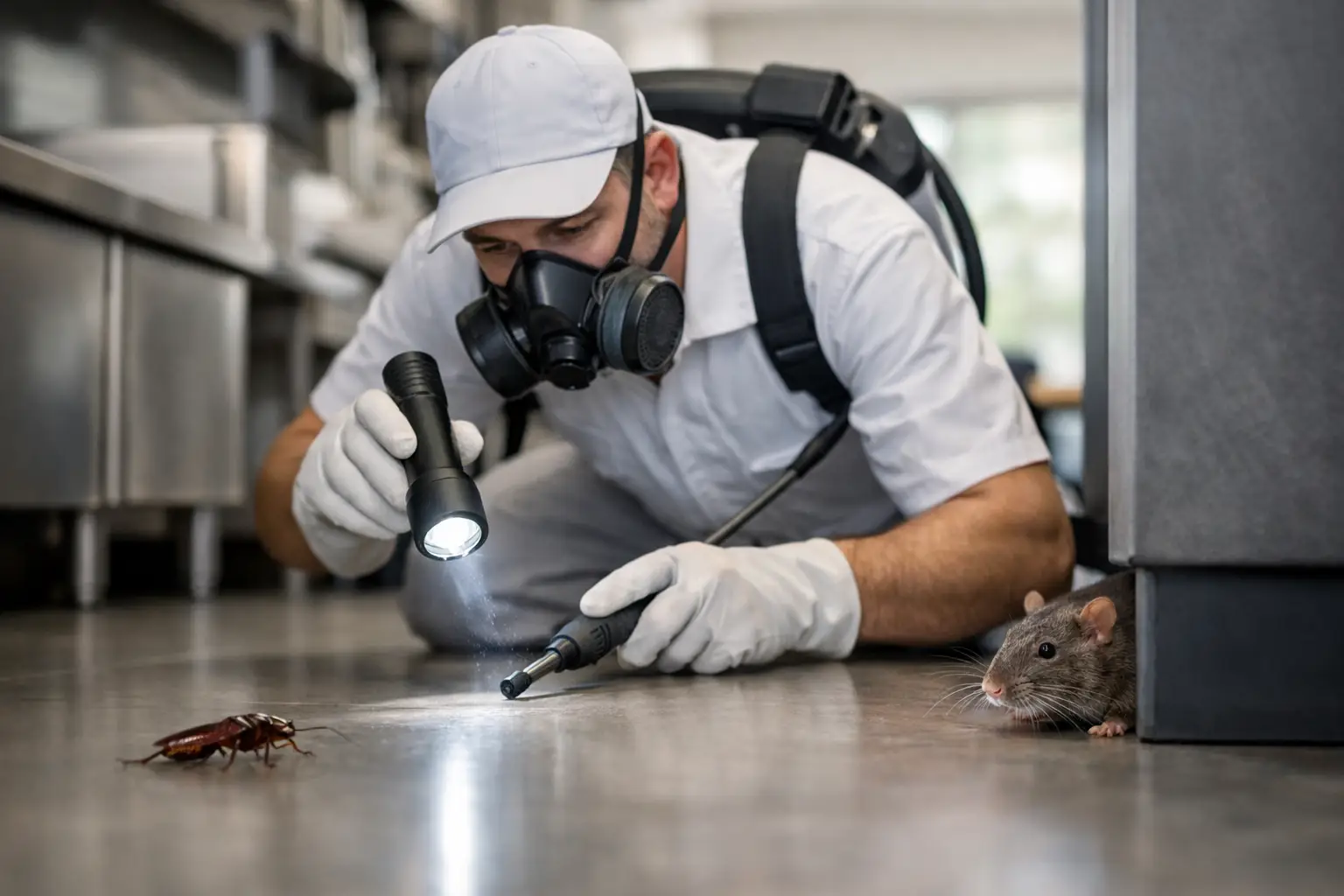
One pest sighting in a workplace can quickly become a wider business problem. Commercial pest control services are not just about removing rats, cockroaches or flies on the day – they are about protecting hygiene standards, keeping staff and customers safe, and reducing the risk of repeat disruption.
For many businesses, the real cost of a pest issue is not limited to damaged goods or a single treatment visit. It can mean failed inspections, lost trading hours, reputational damage, complaints, and added pressure on managers who are already handling enough. That is why a proper commercial response needs to be fast, discreet and built around prevention as well as treatment.
Why commercial pest control services matter
In a home, a pest issue is stressful. In a commercial property, it can affect operations almost immediately. A restaurant may face hygiene concerns. An office may see staff confidence drop. A warehouse may deal with contaminated stock. A landlord or facilities manager may need to respond across multiple units at once.
The right commercial pest control services help businesses stay ahead of those risks. That means identifying the pest correctly, finding how it is getting in, treating the infestation safely, and putting practical measures in place to stop it returning. Anything less is often a temporary fix.
There is also the issue of speed. Some infestations build quietly for weeks, while others create an urgent problem overnight. Wasps near an entrance, rodents in a food area, or bed bugs in temporary accommodation all need immediate attention. In those cases, waiting for a standard appointment is rarely good enough.
What businesses should expect from commercial pest control services
A professional commercial service should start with a clear inspection, not guesswork. Different pests behave differently, and the wrong treatment wastes time. Mice, for example, can spread through wall voids and storage areas without being seen often. Cockroaches favour warmth, moisture and hidden harbourage points. Stored product pests can point to stock rotation or storage issues rather than a simple entry point from outside.
After inspection, the treatment plan should reflect the building, the type of business and the level of urgency. A single office kitchen issue needs a different response from a large food premises, shared block, retail site or school setting. The best approach is tailored, because the risks and operational limits are different in each case.
You should also expect straightforward communication. A good pest control provider explains what has been found, what treatment is required, whether follow-up visits are needed, and what your team needs to do next. That clarity matters, especially when managers need to report internally or reassure staff, tenants or customers.
Common commercial pest problems
Rodents remain one of the most common issues in London commercial properties. Rats and mice are drawn to warmth, shelter and accessible food sources, which makes bins, delivery areas, suspended ceilings, stock rooms and kitchen spaces especially vulnerable. If left unchecked, they can gnaw cables, contaminate surfaces and create serious hygiene concerns.
Cockroaches are another high-risk pest in commercial settings, particularly where heat, food residue and moisture are present. They are resilient, fast to spread, and often most active when the premises are quiet, which means an infestation can be more advanced than it first appears.
Flying insects can be just as disruptive. Flies in food handling areas are an obvious problem, while wasps around outdoor seating, entrances or loading bays can create a health and safety issue for staff and visitors. Ants, fleas and bed bugs also appear in some commercial environments, particularly in hospitality, housing and properties with frequent footfall.
One-off treatment or ongoing contract?
It depends on the type of premises and the level of exposure. Some businesses need a one-off response to a sudden issue, followed by proofing and monitoring advice. Others are better served by regular visits and ongoing reporting.
For food businesses, hospitality venues, property portfolios and high-traffic commercial sites, routine pest management is often the safer option. Regular inspections catch early signs before they become costly infestations. They also create a documented record of checks and actions, which can be useful for compliance, audits and internal risk management.
That said, not every business needs the same schedule. A small office with a single isolated issue may not need the same service frequency as a restaurant, warehouse or mixed-use building. A dependable provider should recommend what is appropriate, not simply the biggest package.
The value of rapid response
When pests appear during trading hours, overnight waiting can feel like a long time. In commercial settings, delay often allows the problem to spread or increases the chance of customer complaints, staff concern or temporary closure of affected areas.
Rapid response matters most when the pest issue affects safety, hygiene or business continuity. Rodent activity in a kitchen, a wasp nest near customers, or a sudden cockroach sighting in staff welfare areas all require prompt action. Around-the-clock availability can make a real difference here, especially for businesses that operate early mornings, late nights or weekends.
For many London businesses, speed is not only about convenience. It is about protecting income and reputation. A fast inspection followed by immediate treatment can prevent a manageable issue from becoming a serious operational problem.
What a good commercial pest process looks like
The strongest results usually come from a simple but disciplined process. First, the pest is identified properly and the extent of the issue is assessed. Second, the treatment is carried out safely and discreetly. Third, the underlying causes are addressed.
That final part is where many pest problems are won or lost. If overflowing bins, poor stock storage, structural gaps, cluttered plant areas or standing water remain unchanged, the infestation may return even after a successful treatment. Prevention is not separate from treatment – it is part of it.
A competent provider will usually look at proofing, sanitation habits, waste handling, staff awareness and access points as part of the wider recommendation. In some premises, simple changes make a significant difference. In others, repeat visits and monitoring are the right call.
Choosing a provider for commercial pest control services
Reliability matters as much as technical skill. Businesses need a provider that turns up when promised, works discreetly, keeps records clear and understands the pressures of a live commercial environment. That includes working around opening hours where needed and explaining next steps without unnecessary jargon.
Experience across different property types also matters. Pest control in an office block is not the same as pest control in a restaurant, retail unit or residential block under management. The methods, urgency and prevention advice should reflect that.
It is also worth looking for trust signals that give reassurance when the pressure is on. Qualified technicians, insured service, clear communication and a strong reputation all help. If an issue is urgent, you do not want uncertainty about who is attending or what happens next.
For businesses in areas such as Wembley, Harrow, Ealing and wider London, local knowledge can help too. Dense urban environments, shared boundaries, rear access points and mixed-use buildings all affect how pest problems spread and how quickly they need to be contained.
Prevention is what protects your business long term
Even the best treatment has limits if the conditions that attracted pests remain in place. That is why effective commercial pest control services should leave your premises in a stronger position than before the infestation happened.
Sometimes that means sealing entry points and improving housekeeping routines. Sometimes it means adjusting waste storage, reviewing delivery procedures or increasing monitoring in vulnerable areas. The right advice should be practical enough for your team to follow and specific enough to make a measurable difference.
At Golden Pest Control, the focus is on acting quickly, treating the issue safely and giving businesses clear next steps they can use straight away. That matters whether the problem is urgent and visible or only just beginning behind the scenes.
If pests are affecting your workplace, waiting rarely improves the situation. A quick, professional response protects more than the building – it protects the people who rely on it every day.