
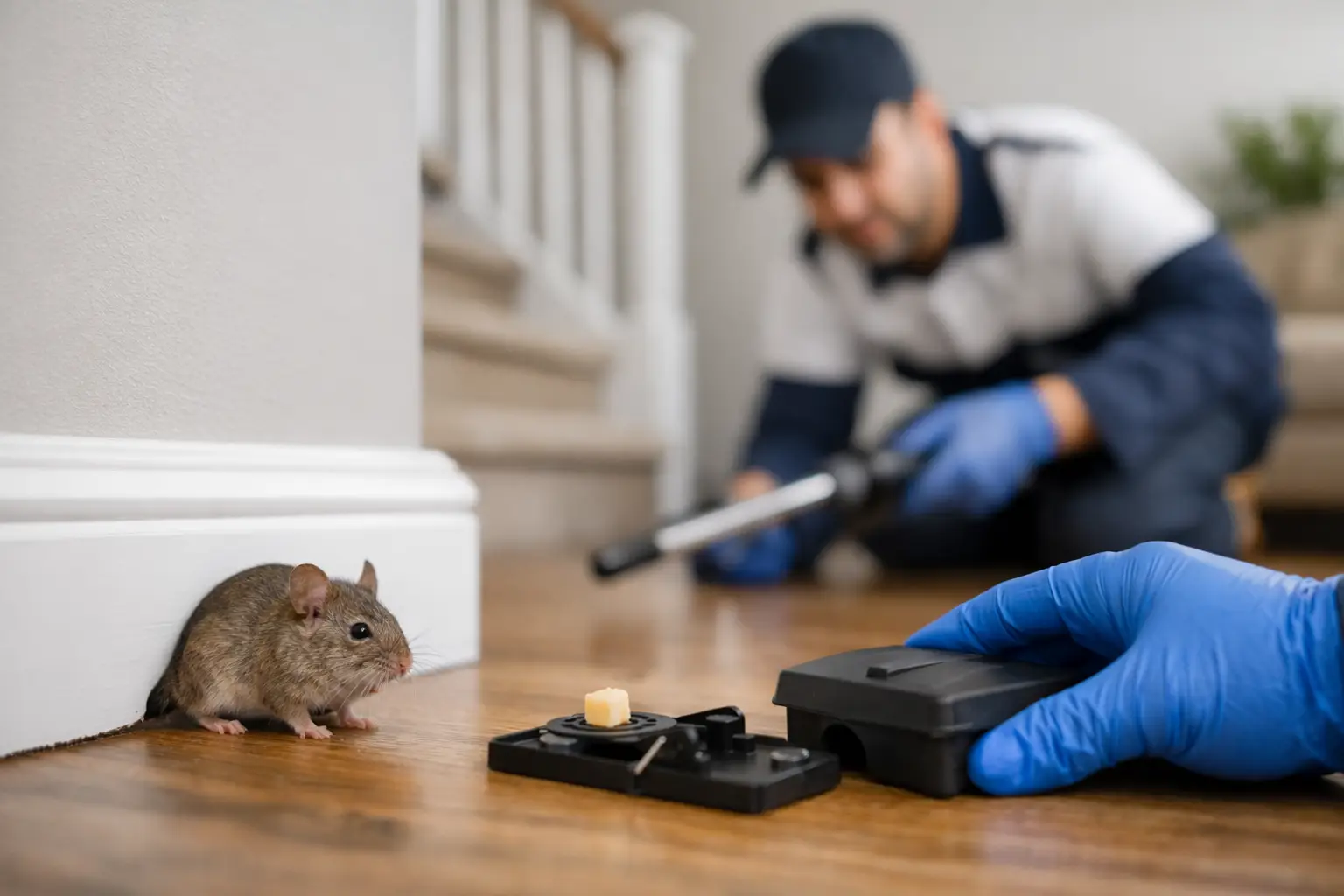
A scratching sound above the ceiling after dark, crumbs appearing around cupboards, or small droppings behind the toaster can turn a comfortable property into a source of worry very quickly. Effective mouse control Harrow homes can depend on is not just about removing the mice you see. It means finding how they entered, treating the activity safely, and closing the routes that would allow the problem to return.
Mice are common in London properties, particularly when colder weather sends them looking for warmth, food and shelter. Terraced houses, converted flats, older homes and properties with extensions can all have concealed gaps around pipes, floor voids, loft spaces and external brickwork. A quick response matters because a small issue can become an established infestation sooner than many householders expect.
Why a mouse problem should be dealt with promptly
Mice are small, but they can create significant disruption. They contaminate worktops, food cupboards and storage areas with droppings and urine. They may gnaw through food packaging, timber, insulation and electrical cables, creating both hygiene concerns and potential damage. Their ability to move through narrow gaps also makes them difficult to contain without a proper inspection.
One mouse sighting does not always mean there is a large infestation. It can be a single mouse that has found an easy route indoors. However, mice are rarely active in the open during the day unless food sources are readily available or the infestation is more advanced. Fresh droppings, repeated noises at night, chewed packaging and a persistent musky smell are stronger signs that action is needed.
For landlords, the issue can quickly affect tenant confidence and property condition. For families, it is understandable to be concerned about kitchens, children’s rooms and pets. The right approach is calm, practical and thorough rather than relying on guesswork.
Where mice hide in Harrow homes
Mice prefer quiet, sheltered areas close to food and warmth. Kitchens are a common starting point because crumbs, bins, pet food and appliances offer everything they need. They may nest behind kitchen units, beneath fridges and ovens, or inside gaps around plumbing.
Lofts, airing cupboards, under-stair spaces and suspended floors are also frequent hiding places. In some properties, mice travel through cavity walls or shared voids between neighbouring homes. This is why placing one trap in a kitchen may catch a mouse without resolving the route that led it there.
Outside, overgrown vegetation against walls, clutter near the property, damaged air bricks and gaps around utility pipes can provide access. Mice can squeeze through openings that seem far too small to matter. An inspection should therefore look at the whole property, not only the room where signs were first noticed.
Signs that point to an active infestation
Fresh droppings are usually dark and soft before becoming dry and grey. You may find them along skirting boards, inside cupboards, beneath sinks or near food stores. Other signs include torn food packets, gnaw marks, shredded paper or fabric used for nesting, and scratching in ceilings or walls at night.
Greasy rub marks along wall edges can develop where mice repeatedly use the same route. If you have seen a mouse, found droppings more than once, or are hearing activity in hidden areas, professional treatment is usually the most reliable next step.
What professional mouse control involves
A proper mouse treatment begins with an inspection. The technician will identify evidence of activity, likely nesting areas, food sources and entry points. This assessment is essential because every property is different. A ground-floor kitchen problem may require a different plan from activity in a loft or a block of flats with shared service routes.
Treatment may involve professionally placed bait stations, traps or a combination of methods, selected according to the layout of the home and the level of activity. Products and placements should be handled carefully, particularly where children, pets or vulnerable people are present. A qualified technician can explain what is being used, where it is positioned, and any sensible precautions for your household.
Follow-up visits are often the difference between a temporary reduction and a lasting result. Mice may alter their behaviour after an initial treatment, and inaccessible areas may require monitoring. Reassessment confirms whether activity has stopped and whether further proofing is needed.
Golden Pest Control provides tailored mouse treatments for homes in Harrow, with rapid support available when the issue cannot wait. Clear communication is part of the service: you should know what has been found, what happens next and how to reduce the chance of recurrence.
Proofing is what protects your home after treatment
Removing mice without addressing access points leaves the property vulnerable. Proofing means sealing or repairing the gaps and faults that mice use to enter. Depending on the building, this could include gaps around pipes, damaged vents, broken air bricks, loose skirting, cracks in masonry or poorly sealed cable entry points.
The best materials depend on the location. Expanding foam alone is not always sufficient because mice can gnaw through it. Durable mesh, appropriate sealants and sound repair work are often needed. Where a gap is required for ventilation or drainage, it should be protected in a way that does not interfere with the building’s function.
Proofing also involves reducing what attracts mice. Keep dry food in sealed containers, clean beneath appliances when possible, avoid leaving pet food out overnight and make sure indoor bins have fitted lids. Rubbish should be stored securely outside, away from doors and walls where practical. These measures help, but they are not a substitute for treatment if mice are already living within the property.
What to do while you wait for treatment
Avoid moving furniture or emptying cupboards aggressively if you have found signs of mice. This can disturb nesting material and make it harder to understand where activity is concentrated. Instead, take a note of where you have seen droppings, heard sounds or found damage. If safe to do so, remove accessible food from open packets and wipe down food preparation surfaces.
Do not handle droppings with bare hands or sweep them while dry, as this can spread contaminated dust. Wear gloves, ventilate the room, dampen the area with suitable disinfectant and wipe it up with disposable paper towels. Dispose of waste in a sealed bag, then wash your hands thoroughly.
Shop-bought traps can sometimes help with a very minor, isolated issue, but they have limitations. Incorrect placement often leads to no result, while a caught mouse does not identify the nest or close the entry point. Poison products used without experience can also create risks for children, pets and non-target wildlife. If signs persist for more than a few days, activity is in walls or lofts, or you are seeing mice during daylight, professional help is the safer choice.
When the situation is urgent
Request prompt support if you discover mice in food preparation areas, see extensive droppings, notice chewed wiring, or have a young child, pet or vulnerable person in the home. A landlord should also act quickly where tenants report ongoing activity, as delay can allow the issue to affect more rooms or neighbouring properties.
If mice are appearing in a business kitchen, food premises, care setting or communal building, the need for a documented and targeted response is even greater. Treatment must consider hygiene procedures, operating hours and the possibility of multiple access routes.
A mouse issue is rarely improved by waiting to see if it disappears. Early inspection gives you a clearer picture, targeted treatment stops active activity, and careful proofing protects the home you have worked hard to maintain.