
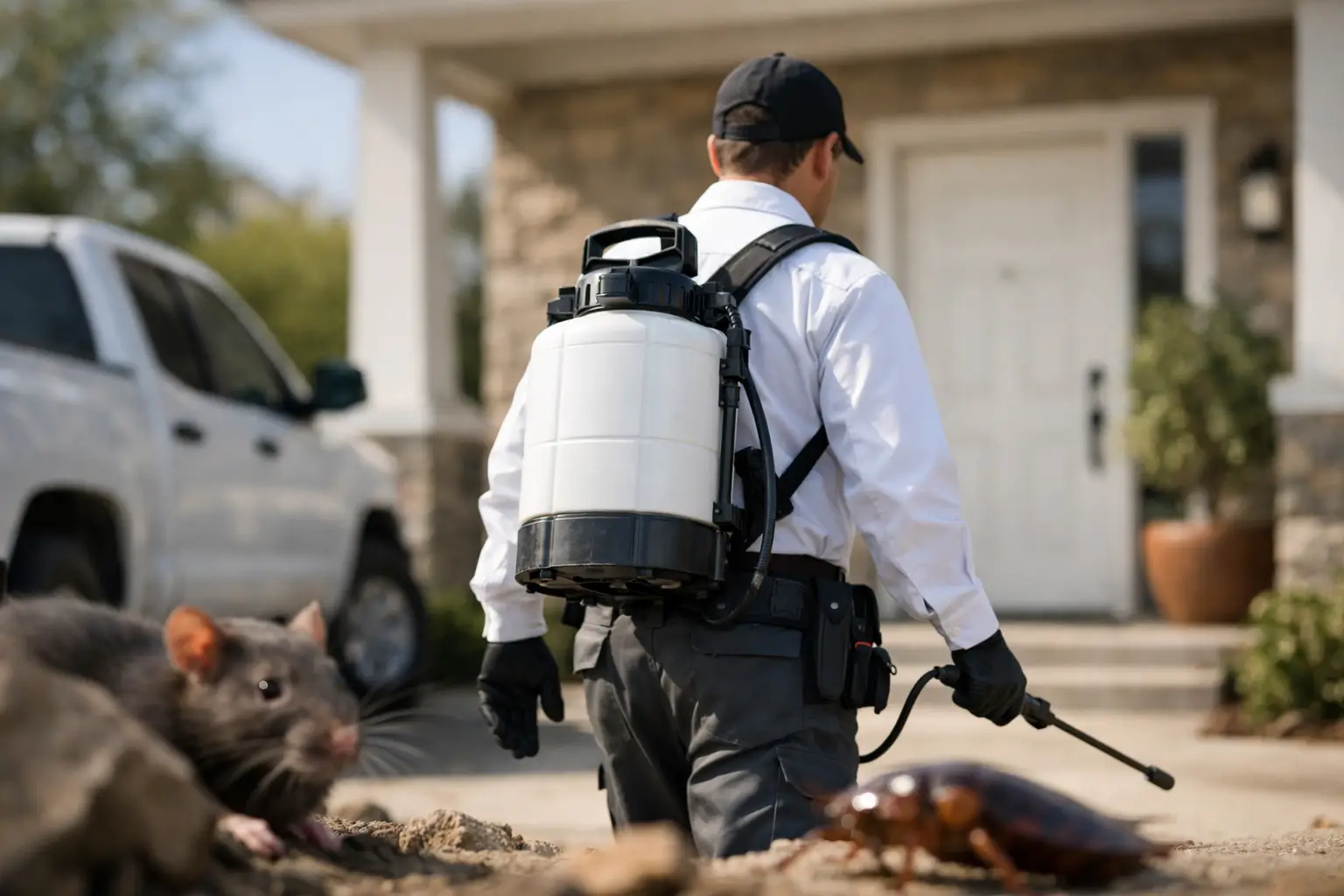
A scratching sound behind the kitchen units at midnight, bites appearing after sleep, or wasps gathering around a loft entrance can turn a normal day into a serious concern. When you search for pest control near me, you need more than a name on a map. You need a local professional who can identify the problem, explain the risk clearly, and take effective action without unnecessary delay.
For homes, rented properties and businesses across Greater London, early treatment usually means a quicker resolution, less disruption and a lower chance of pests spreading. The right response depends on the pest, the size of the activity and the property itself, but waiting rarely makes an infestation easier to manage.
When to Search for Pest Control Near Me
Some pest problems are obvious. You may see cockroaches in a food preparation area, a trail of ants across a worktop, or rats moving through a garden. Others develop quietly. Rodents often leave droppings, chewed packaging, grease marks along walls or noises in ceilings before they are seen. Bed bugs may first show up as small bites, dark spots on bedding or tiny marks around the bed frame.
It is sensible to call a professional as soon as there is reliable evidence of activity. This is especially true where children, pets, vulnerable residents, food or customers are involved. A single mouse in a flat may indicate an access point and nesting area nearby. One cockroach can be a warning sign of a larger hidden population, particularly in warm kitchens, communal buildings and commercial premises.
Emergency help is appropriate when there is an immediate safety, hygiene or operational concern. A wasp nest near a doorway, an active rodent issue in a restaurant, or bed bugs in accommodation used by guests should be dealt with promptly. For less urgent cases, a planned inspection is still worthwhile before the pest becomes established.
Why Local Response Matters in London
London properties present particular pest control challenges. Victorian terraces, converted flats, shared drainage systems, busy high streets and densely occupied blocks can all give pests routes between properties. An infestation does not always begin inside the affected room or building. Rodents may enter through gaps around pipes, damaged air bricks or external drains. Bed bugs can travel in luggage, furniture or clothing. Cockroaches can move through service voids and neighbouring units.
A local pest control team understands that treatment is not only about removing what is visible. It must include finding likely harbourage points, assessing how pests are getting in and advising on practical prevention. For landlords and managing agents, this also helps separate a one-off issue from a recurring building maintenance concern.
Speed matters, but it should not mean guesswork. A proper assessment allows the technician to choose a treatment suited to the pest, property and level of activity. That may include targeted insecticide application, baiting, monitoring, proofing advice, nest treatment or a programme of follow-up visits.
What a Professional Pest Control Visit Should Include
A dependable service starts by listening. You should be able to explain where you have seen activity, when it began, whether the issue has changed and any previous treatment attempted. A qualified technician can then inspect the relevant areas and look beyond the first obvious sign.
For rodents, this may involve checking kitchens, lofts, cupboards, voids, gardens, bin areas and entry points. For bed bugs, the inspection often focuses on beds, upholstered furniture, skirting boards and nearby cracks. With cockroaches and ants, kitchens, bathrooms, appliances, drains and warm hidden spaces are common priorities.
After the inspection, the treatment plan should be clear. You should know what will be used, which areas need to be avoided temporarily, whether pets or children need particular precautions, and if further visits are required. Pest treatment is not always a one-visit service. Bed bugs, for example, commonly need follow-up treatments because eggs may hatch after the first visit. Rodent control may also require monitoring until activity has stopped and access points can be addressed.
A professional should never promise an instant fix where the pest biology or building conditions make that unrealistic. Clear expectations are more useful than vague reassurance. You should receive practical advice on cleaning, waste storage, laundry, food storage or property repairs that support the treatment.
Common Pest Problems and the Right Next Step
Rats and mice
Rodents contaminate food, damage insulation and wiring, and can spread quickly through a building. Avoid handling droppings without suitable protection or relying on a single shop-bought trap if evidence suggests ongoing activity. A professional assessment can locate entry routes and establish whether the problem is limited to one area or connected to a wider issue.
Keep food in sealed containers, avoid leaving pet food out overnight and ensure outdoor bins close securely. These steps help, but they do not replace treatment where rodents are already active.
Bed bugs and fleas
Bed bugs are not a sign of poor hygiene. They can arrive after travel, through second-hand furniture or from adjoining properties. Fleas often come from pets, carpets or previous animal activity within a property. Both can cause discomfort and anxiety, and both require a specific treatment approach.
Do not move infested bedding, furniture or clothing through communal areas unless you have been advised how to contain it. Washing and drying items at the recommended temperature can form part of the process, but treatment of the room and possible hiding places is usually essential.
Cockroaches, ants and other insects
Cockroaches demand swift attention in homes, restaurants, offices and food premises because of the hygiene risks they present. Ants can be less serious but are still disruptive when they repeatedly enter kitchens or staff areas. The key is to identify the species and locate the source rather than simply treating the insects that are visible.
Good housekeeping supports control, especially around food waste, spillages and water sources. However, persistent activity can mean there is a nest, harborage point or structural route that needs professional treatment.
Wasps and bees
Wasps can become a serious hazard when nests are close to entrances, play areas, lofts or work spaces. Keep people away from the nest and avoid spraying it yourself, knocking it down or blocking the entrance. This can provoke aggressive activity and leave the problem unresolved.
Bees should be assessed carefully, as they may need a different approach. A professional can identify the insect and recommend the safest next step for people, pets and the surrounding environment.
Choosing a Pest Control Company With Confidence
The best provider is not simply the first result for pest control near me. Look for a company that communicates clearly, can respond at the level of urgency required and has experience with your type of property. Domestic, commercial and outdoor pest issues have different demands.
For a business, ask how the service supports hygiene standards, staff safety and continuity of trading. Restaurants and food businesses may need discreet visits, documented treatment records and preventative monitoring. Landlords may need clear reporting for tenants and evidence of work completed. Homeowners often need fast reassurance, safe treatment around family life and help preventing a repeat problem.
It is also reasonable to ask about insurance, technician qualifications, follow-up arrangements and what preparation is required. A low initial price can be poor value if it does not include the inspection, correct treatment or return visit needed to deal with the cause. Equally, a larger infestation may need a staged plan rather than an unnecessarily broad treatment on day one.
Golden Pest Control provides rapid, professional support for residential and commercial pest concerns, including 24/7 emergency availability when the situation cannot wait. The aim is straightforward: identify the issue, treat it safely and effectively, then help reduce the conditions that allow it to return.
Help Treatment Work First Time
Before the technician arrives, make a note of where and when you have seen pests, droppings, bites, damage or nesting material. If safe to do so, take clear photographs. Avoid using several different sprays, powders or traps before the inspection, as this can disturb pests, reduce the effectiveness of later treatment and make activity harder to assess.
After treatment, follow the preparation and aftercare instructions closely. This might mean leaving a treated area undisturbed for a period, vacuuming at a specific time, sealing food away, washing bedding, or arranging proofing repairs. Prevention is not a separate task from treatment. It is the part that protects the result.
If you are unsure whether a sign points to an infestation, it is better to ask early than wait for certainty. A calm, professional inspection can replace worry with a clear plan and give your home or business the best chance of staying pest-free.