
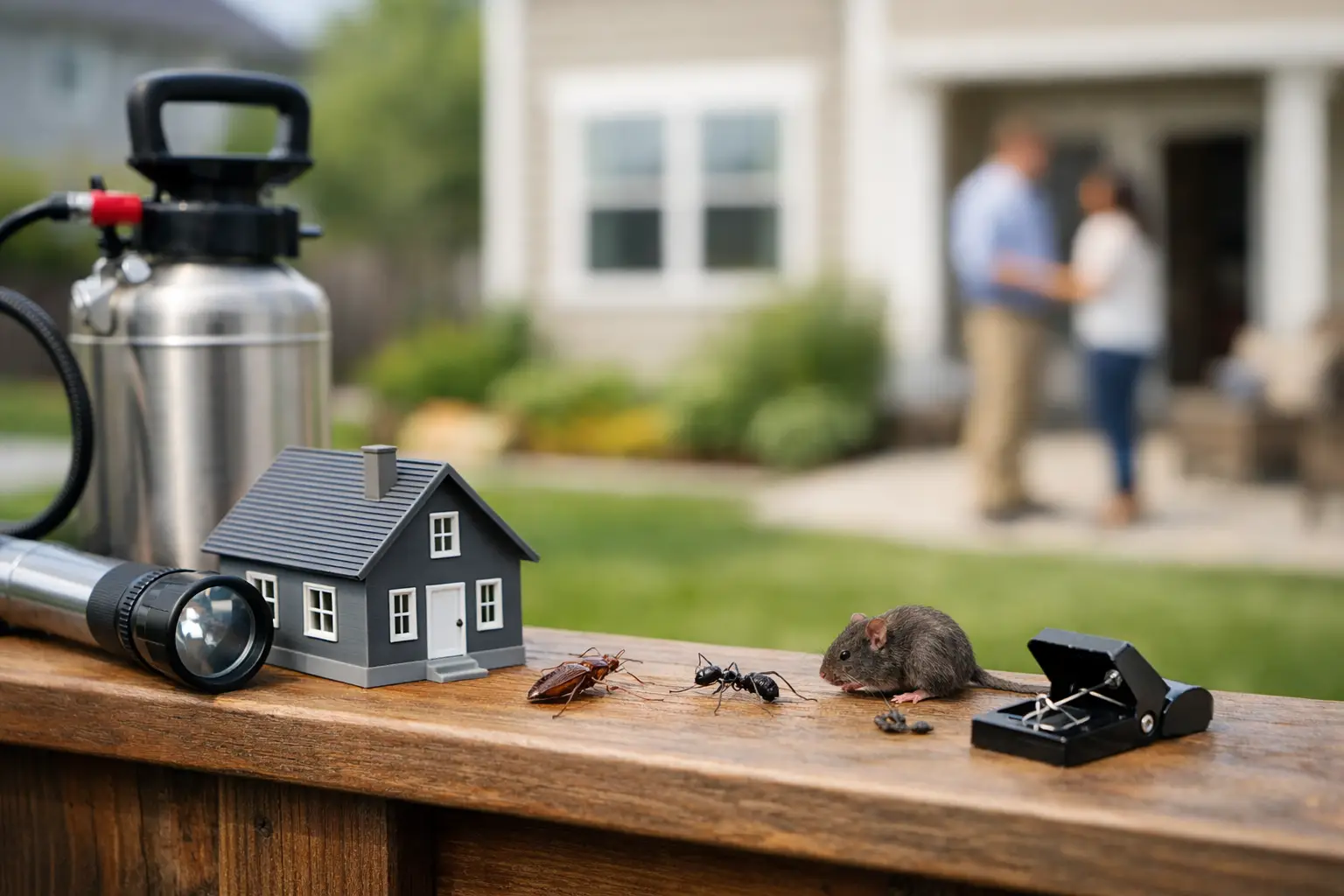
A single mouse sighting can quickly turn into a tenant complaint, a damaged reputation, and an expensive call-out. That is why pest prevention for rental properties matters long before there is an active infestation. In rented homes, small gaps, damp areas, food waste, clutter, and delayed reporting can all give pests exactly what they need.
For landlords and managing agents, prevention is not just about avoiding inconvenience. It helps protect the condition of the property, reduces the risk of repeat treatments, and supports a safer, cleaner living environment. For tenants, it means fewer disruptions and faster action when something is not right.
Why pest prevention for rental properties needs a clear plan
Rental properties face a different level of pressure from owner-occupied homes. There is often more movement in and out, maintenance issues may go unreported for too long, and responsibility can become blurred between landlord, tenant, and contractor. That uncertainty is often where pest problems begin.
In London, this is especially relevant. Older buildings, divided houses, bin storage issues, and dense urban surroundings can all increase pest activity. Rodents look for warmth and easy access. Cockroaches and ants are drawn to food and moisture. Bed bugs spread through luggage, second-hand furniture, and shared buildings. Wasps may appear seasonally around rooflines, loft spaces, or garden structures.
A reliable prevention plan reduces those opportunities. It also helps everyone involved know what to do, when to act, and when to call in professional support.
Start with the building, not the treatment
The most effective pest prevention for rental properties usually starts with the structure itself. If pests can enter easily, hide easily, and find food or water easily, treatment alone rarely solves the problem for long.
Small defects matter more than many landlords realise. A gap under a door, cracked air brick, damaged drain cover, broken seal around pipework, or loose roof tile can all create access points. Rodents can squeeze through surprisingly small openings, and insects need even less.
Regular inspections should look beyond obvious damage. Check kitchens, utility areas, bathrooms, lofts, under-sink pipe entries, boiler cupboards, bin areas, and external walls. If a tenant has reported scratching sounds, droppings, bites, or unusual insect activity, those signs should be investigated quickly rather than treated as minor annoyance.
Moisture control is another major factor. Leaks under sinks, condensation around windows, poor ventilation, and damp patches create ideal conditions for insects and can support wider hygiene issues. A property with recurring damp will often struggle with recurring pest activity too.
The landlord’s role in prevention
Landlords are in the strongest position to reduce long-term risk because they control repairs, maintenance standards, and property set-up. Prevention works best when it is built into routine management rather than handled only after a complaint.
Before a new tenancy starts, the property should be checked properly. That includes sealing obvious entry points, clearing any leftover rubbish, checking white goods for signs of infestation, and making sure bin storage is usable and clean. If there has been a previous issue with rodents, bed bugs, fleas, or cockroaches, it is worth arranging a professional inspection before new tenants move in.
Tenancy agreements can also help, provided they are realistic and clearly explained. Expectations around waste disposal, cleanliness, reporting maintenance issues, and not bringing in discarded furniture from the street should be straightforward. The goal is not to shift all responsibility onto the tenant. It is to create a practical standard that supports prevention.
Speed matters as well. When tenants report signs of pests, delays can make the issue harder and more expensive to resolve. A wasp nest in early development, a few mouse droppings in a kitchen cupboard, or the first signs of bed bugs are all easier to deal with than a fully established infestation.
The tenant’s role in keeping pests out
Tenants also play an important part in pest prevention for rental properties. Most day-to-day risk factors happen during normal use of the home, especially in kitchens and bathrooms.
Food should be stored properly, particularly dry goods such as rice, cereal, pasta, and pet food. Worktops and floors should be kept free of crumbs and grease build-up. Rubbish needs to be bagged securely and put out regularly. If bins are overflowing outside the property, that should be raised quickly because it can attract rats, mice, flies, and fox activity that leads to further pest issues.
Clutter can make monitoring and treatment harder. That does not mean a home must look spotless at all times, but heavily packed storage areas, piles of cardboard, and overcrowded cupboards give pests places to hide undisturbed. This is especially relevant with bed bugs and cockroaches, where early detection makes a real difference.
Tenants should also report warning signs early. Droppings, gnaw marks, insect casings, bites, nests, or scratching in walls should never be ignored in the hope that the problem will pass on its own.
Common pest risks in rented homes
Different pests need different prevention measures, so a one-size-fits-all approach is rarely enough.
Rodents are often linked to entry points, poor bin management, overgrown external areas, and hidden food sources. Ground floor flats, properties near alleyways, and buildings with shared waste areas tend to be more exposed. Sealing access points and managing rubbish properly are essential, but if there is active movement, professional treatment is usually needed.
Cockroaches thrive where there is warmth, moisture, and food residue. They are common in kitchens, boiler cupboards, service ducts, and multi-occupancy buildings. Basic cleaning helps, but repeated sightings often point to a wider issue in the building.
Bed bugs are less about hygiene and more about movement. They can be brought in through travel, visitors, or used furniture. In rental settings, they spread quickly if reports are delayed. Fast identification is critical because people often mistake bed bug bites for something else.
Ants usually become more visible in warmer months and are drawn to sweet food and water. They may seem minor at first, but once a trail is established they can return persistently.
Wasps are seasonal, but when nests are close to entrances, lofts, or gardens, they can become a genuine safety concern for tenants and neighbouring properties.
Where prevention ends and professional help begins
There is a difference between sensible prevention and false economy. Sealing a gap, improving cleaning standards, or fixing a leaking pipe is useful. Trying to manage an established infestation with shop-bought sprays or traps alone is often where the problem drags on.
Professional pest control becomes the right step when there is evidence of nesting, repeated sightings, bites, spreading activity between rooms, or any sign that the issue involves more than one unit in a building. It also matters when vulnerable tenants are involved, such as families with young children, elderly residents, or anyone with health conditions that make pest exposure more serious.
A proper response should identify the pest accurately, assess how it is entering or spreading, carry out safe treatment, and advise on follow-up prevention. That is the part many quick fixes miss. Removing the immediate problem without dealing with access, harbourage, and hygiene conditions often leads to the same call-out weeks later.
For landlords and property managers, working with a responsive pest control service can save time and avoid disputes. Clear reports, practical recommendations, and prompt attendance are particularly valuable in busy rental settings where delays create stress for everyone involved.
Good prevention is really about consistency
The strongest approach is not dramatic. It is consistent. Inspect between tenancies, fix defects quickly, keep bin areas under control, take tenant reports seriously, and act early when something seems off. That is what keeps a minor issue from turning into a larger one.
In busy rental markets across London, prevention is part of protecting the asset as much as protecting the people living in it. When landlords and tenants both understand their role, pest problems are less likely to take hold and far easier to deal with when they do.
If there is one rule worth keeping in mind, it is this: pests rarely improve with time. A quick response, clear communication, and practical prevention will nearly always cost less than waiting to see what happens.