
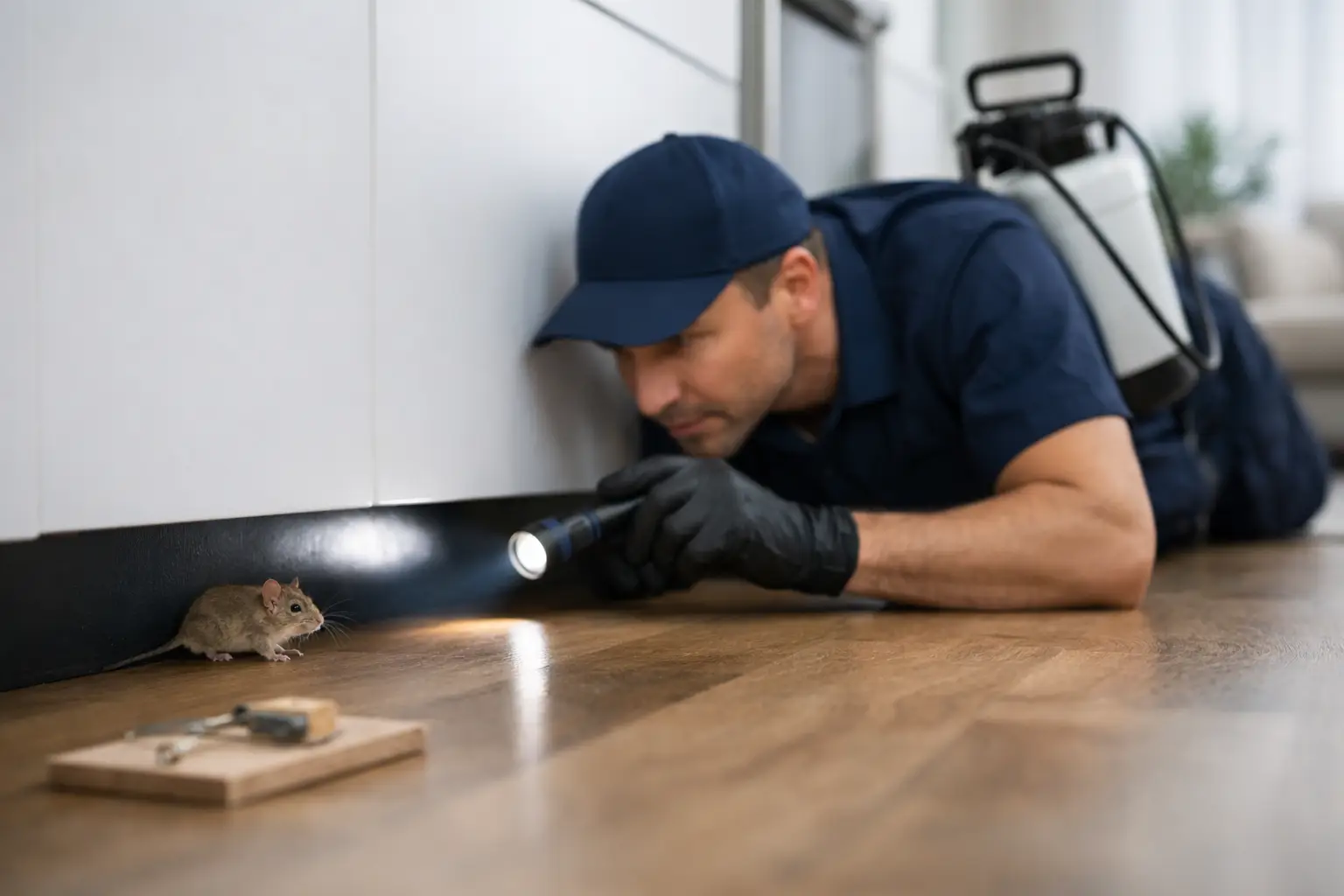
Scratch marks on skirting boards, droppings behind a bin, gnawed packaging in a stockroom – these are rarely minor issues that sort themselves out. Rodent control services are designed for exactly this kind of problem: fast identification, safe treatment, and practical prevention that stops a small warning sign turning into a larger infestation.
For homeowners, tenants, landlords and businesses, the biggest mistake is often waiting too long. Rats and mice breed quickly, contaminate food, damage wiring, and move through wall cavities, lofts, basements and service areas with little difficulty. In a busy London property, that can mean a problem spreads before it is fully visible.
What rodent control services actually cover
Many people assume pest control starts and ends with laying traps. Professional rodent control services are broader than that. A proper service begins with inspection, because the treatment only works well when the source of activity is understood.
That means checking where rodents are entering, where they are nesting, what is attracting them, and how far the activity has spread. In a house, that may involve kitchens, loft spaces, under-floor voids, garages and gardens. In commercial premises, it often extends to storage areas, bin zones, suspended ceilings, staff kitchens and delivery points.
The treatment itself depends on the property and the severity of the issue. Sometimes the right response is targeted trapping. In other cases, secure baiting is appropriate. Often, proofing advice is just as important as the initial treatment, because removing rodents without addressing access points or food sources can lead to repeat activity.
This is why a tailored approach matters. A restaurant, a rental flat and a detached home do not present the same risks, and they should not be treated in exactly the same way.
Signs you need rodent control services now
Some signs call for immediate action rather than monitoring the situation for another week. Fresh droppings are one of the clearest indicators, especially around food storage areas, behind appliances, or along walls where rodents tend to travel. Noises in the walls or ceiling at night are another common sign, particularly with mice in lofts and rats in cavities or beneath floorboards.
A strong, unpleasant smell can also point to a developed infestation. So can visible gnaw marks on wood, packaging, cables or pipe insulation. If you run a business, sightings during daylight hours can suggest a heavier level of activity, because rodents are more often seen in the day when nesting spaces are overcrowded or food competition is high.
There is also the issue of safety. Rodents are not just unpleasant to deal with. They can spread bacteria, damage electrical systems and create serious hygiene concerns. In commercial settings, that quickly becomes a reputational and compliance risk as well as a practical one.
Why quick action matters
Rodent problems rarely stay in one place. A few mice in a kitchen cupboard can become activity behind walls, under units and above ceilings. A rat issue around an outdoor bin store can expand into drains, basements and neighbouring units. The longer the delay, the more treatment usually involves.
Quick action does not mean rushing into the wrong fix. It means getting a clear assessment early, before rodents establish secure nesting areas or find multiple routes through the property. This is especially important in shared buildings, rented accommodation and commercial sites, where one unresolved issue can affect several occupants.
In urban areas, rodents have constant access to warmth, shelter and discarded food. That makes prevention part of the job, not an optional extra. Fast response helps reduce damage, but it also gives you a better chance of finding the underlying cause before the pattern repeats.
What to expect during a professional visit
A good pest control visit should feel clear and controlled, not vague or alarmist. The first step is identifying whether you are dealing with rats, mice, or signs that could be mistaken for rodent activity. From there, the technician will assess likely entry points, harborage areas, movement routes and conditions that support infestation.
You should also expect straightforward advice. That includes what treatment is being used, why it is suitable for the property, whether follow-up visits are needed, and what changes will help reduce the chance of rodents returning. In some cases, immediate treatment is enough. In others, the right result depends on a short treatment plan with monitoring and follow-up.
For families, landlords and business operators, reassurance matters. The service should be safe, professional and practical, with clear communication throughout. That is particularly important if there are children, pets, staff members or customers on site.
Rodent control services for homes and flats
In domestic properties, rodent activity often starts quietly. Mice can slip through very small gaps, while rats may use broken vents, damaged drains, external holes or gaps around pipework. The signs are often first noticed in kitchens, lofts, cupboards or near stored food.
Flats can be more complicated because access points may not sit within one unit. Rodents may travel through shared walls, ducts, ceiling voids or communal areas. In that situation, treatment can still reduce immediate activity in the affected flat, but long-term control may depend on a wider property management response.
Landlords should take reports seriously and act promptly. Delays can increase repair costs and create avoidable disputes with tenants. For owner-occupiers, the main concern is usually restoring safety and comfort quickly, while making sure the issue does not return a few weeks later.
Rodent control services for businesses
For commercial premises, the stakes are higher. A rodent issue can affect hygiene ratings, stock integrity, staff confidence and customer trust. In sectors such as hospitality, food handling, retail and facilities management, even one sighting can become urgent.
Professional rodent control services for businesses need to balance speed with discretion and compliance. Treatment has to be effective, but it also needs to fit the site. An office, warehouse, restaurant and school all require different handling. Access times, footfall, storage layout and health and safety procedures all influence what is appropriate.
Prevention is also more structured in business settings. That may include regular inspections, monitoring, sanitation advice and proofing recommendations. For some premises, one treatment visit is enough. For others, an ongoing pest management approach is the sensible option.
The limits of DIY treatment
Shop-bought traps and bait can sometimes catch isolated mice, but DIY treatment has limits. The biggest issue is misjudging the scale of the infestation. What looks like one or two rodents may actually be a larger nesting problem hidden in loft insulation, wall voids or under flooring.
There is also the question of placement, safety and follow-up. Poorly positioned traps often miss the real routes rodents use. Bait used incorrectly can create risks for children, pets and non-target animals. And if access points remain open, rodents can keep returning even after some activity drops.
DIY can be useful as a temporary measure, but it is rarely the best answer when there are repeated signs, visible damage, or any commercial risk involved. Where speed and certainty matter, professional treatment is usually the more reliable route.
How to reduce the chance of rodents returning
Rodent control works best when treatment and prevention go together. Food should be stored securely, spills cleaned quickly, and bins kept closed and managed properly. Clutter reduction helps too, especially in lofts, cupboards, garages and storage rooms where rodents can nest undisturbed.
Entry points matter just as much. Gaps around pipes, damaged air bricks, broken drain covers, worn door seals and cracks in external walls can all provide access. In some cases, one small defect is enough to allow repeated intrusion.
Outdoor areas should not be ignored. Overgrown gardens, unmanaged waste, stacked materials and poorly kept outbuildings can all support rodent activity. The aim is not to make a property sterile. It is to remove the easy food, water and shelter that make it attractive in the first place.
In areas such as Wembley, Harrow and wider London neighbourhoods where properties sit close together, prevention is especially valuable. Rodents do not respect boundaries, and local activity can move quickly between buildings.
Choosing the right rodent control service
The right provider should offer more than a fast booking slot. You want a service that responds quickly, explains the problem clearly, uses safe and appropriate treatment methods, and gives practical advice for prevention. If the issue is urgent, 24/7 availability can make a real difference.
It is also worth looking for a company that works across both domestic and commercial settings, because that usually reflects broader experience with complex infestations. Golden Pest Control, for example, focuses on rapid response, clear communication and treatment plans tailored to the property rather than a one-size-fits-all approach.
When rodents are active, hesitation tends to cost more than action. The sooner the problem is properly assessed, the sooner your property can return to normal – cleaner, safer and easier to manage.