
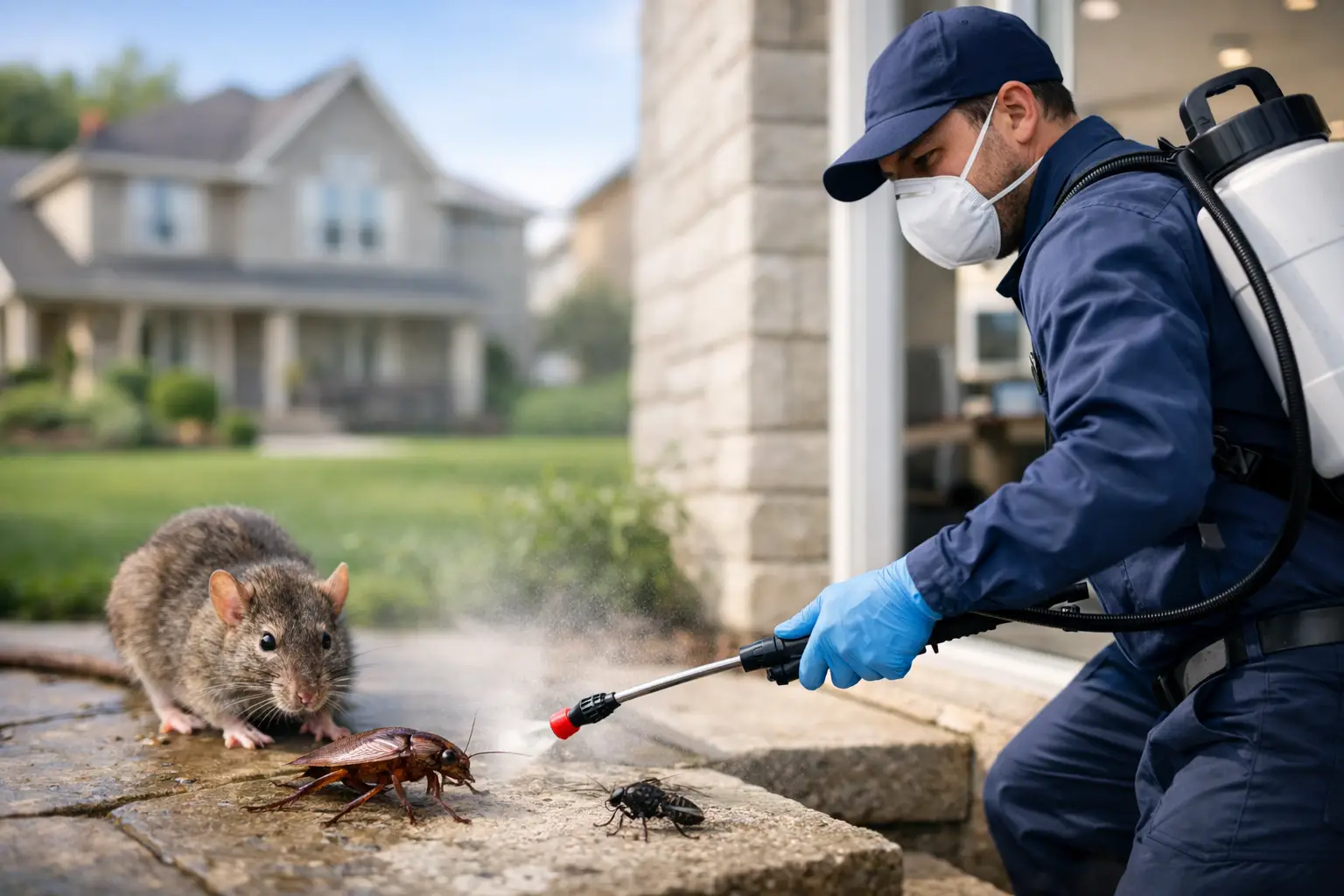
A rat scratching behind a kitchen unit, bites appearing after sleep, or wasps gathering around a roofline can turn a normal day into an urgent problem. Reliable pest control in Pinner starts with identifying what is happening, dealing with the immediate risk and stopping the pests from returning. For households, landlords and local businesses, delay can allow a small issue to become harder and more expensive to resolve.
When pest control in Pinner should not wait
Not every insect sighting means there is an infestation, but repeated activity is a clear sign that action is needed. Rodents, bed bugs, cockroaches and stinging insects can establish themselves quickly, especially where food, warmth, water or shelter are readily available.
Rats and mice should be treated as a priority. They can contaminate food areas, damage wiring, disturb insulation and enter through surprisingly small gaps. Seeing one rodent during the day may suggest there is more activity than first expected, as rodents are usually most active when a property is quiet.
Bed bugs also require prompt, thorough treatment. They can spread between rooms and, in flats or shared buildings, may affect adjoining homes if the problem is not managed carefully. Washing bedding alone rarely resolves an established infestation because bed bugs hide in bed frames, furniture joints, skirting boards and other tight spaces.
Cockroaches are another pest that should not be left to chance. They prefer warm, sheltered areas near food and moisture, including kitchens, utility rooms, boiler cupboards and commercial food-preparation areas. If cockroaches are seen during daylight, the infestation may already be significant.
Wasps need a different approach. A nest near an entrance, loft, shed or garden seating area can become a serious concern, particularly for children, pets and anyone with an allergy. Avoid blocking the nest entrance or using a household spray at close range. Disturbing a nest can provoke defensive behaviour and make the situation less safe.
Why a professional inspection makes the difference
The visible pest is often only part of the problem. Effective treatment depends on understanding the species, the scale of activity, likely entry points and the conditions allowing it to continue. This is why a professional inspection is more useful than applying a product without a clear plan.
A qualified technician will look for evidence such as droppings, gnaw marks, harbourage areas, insect trails, damaged packaging, nesting materials and gaps around pipes, vents or external doors. They will also consider how the property is used. A family home, a rented flat, a restaurant kitchen and an office block each need a different treatment plan.
The right method depends on the pest and the setting. Rodent control may involve secure baiting, trapping, proofing recommendations and follow-up checks. Bed bug treatment can require carefully targeted applications and preparation by the occupier. Ants may be resolved by treating the nest route and removing the food sources drawing them indoors. The aim is always safe, effective control rather than a temporary reduction in sightings.
For businesses, professional pest management also supports hygiene standards and operational continuity. A pest issue in a café, shop, office or communal building can affect staff confidence, customers and day-to-day trading. Fast action, clear records and practical prevention advice help keep disruption to a minimum.
Common pest problems around homes and premises
Properties in Pinner range from family houses with gardens to flats, rental homes and busy commercial premises. That variety means pest pressures differ from one building to another. Gardens, bins, outbuildings and roof spaces can all create opportunities for pests to move closer to the property.
Rodents are often attracted by accessible refuse, bird food, pet food and gaps around drainage or utility pipes. A tidy garden helps, but it is not always enough. Rats can travel through drainage systems, while mice can enter through gaps that appear too small to matter.
Fleas are commonly introduced by pets, visiting animals or previous occupants. Their bites can be frustrating, but treatment should address the wider environment as well as the animal. Advice from a vet may be needed for pet treatment, while professional pest control focuses on the carpets, soft furnishings and other areas where flea stages may be present.
Ants can become troublesome in warmer months when workers search for food indoors. Wiping away an ant trail may remove the immediate sighting, but it does not usually affect the colony. Locating the route and treating the source gives a more dependable result.
Stored-product insects, flies and cockroaches are especially concerning where food is prepared or stored. Good cleaning routines matter, but a recurring issue can point to hidden spillages, drain problems, damaged seals or gaps behind fixed equipment. A thorough inspection can reveal what routine cleaning cannot reach.
What to do before help arrives
A few sensible steps can reduce risk while you wait for treatment, but avoid actions that scatter pests into new areas. Do not move suspected bed bug items from room to room, for example, and do not use large quantities of shop-bought sprays around food, pets or children.
For rodents, store food in sealed containers, clear accessible crumbs and keep bin lids shut. If it is safe to do so, note where you have seen activity and at what time. Photographs of droppings, damaged materials or insects can help with identification, although you should not handle pests or droppings without suitable protection.
For bed bugs, keep the affected room in use where practical rather than sleeping elsewhere and potentially carrying them through the home. Bag laundry before moving it, then wash it according to the care label at the highest suitable temperature. Avoid throwing furniture away before an inspection, as this can spread the issue through communal areas or create unnecessary expense.
For wasps, keep people and pets away from the nest area. Do not attempt to remove it yourself from a ladder, loft hatch or roofline. If someone develops breathing difficulties, facial swelling or signs of a severe allergic reaction after a sting, seek emergency medical help immediately.
Prevention after treatment
Pest treatment is most successful when it is paired with prevention. Some changes are simple: repair damaged door brushes, seal gaps around services, fix leaking pipes, keep external bins closed and avoid leaving pet food out overnight. Others require a closer look at how waste, stock or food is stored.
Landlords and property managers should act quickly when tenants report pest activity. Early inspection protects the building, gives occupiers clear guidance and helps establish whether repairs, proofing or treatment are required. In multi-occupancy properties, communication is particularly important because pests do not recognise flat boundaries.
For commercial sites, routine monitoring can be worthwhile even when there is no visible issue. Food businesses, hospitality venues and workplaces with kitchens benefit from checking deliveries, storage areas, staff rooms, bin zones and external access points. Prevention is usually less disruptive than dealing with a full infestation during service hours.
Choosing a pest control service you can rely on
When the problem is urgent, a quick response matters, but so does the quality of the work. Look for a provider that explains what has been found, what treatment is recommended, whether preparation is required and when follow-up visits may be needed. Clear communication helps you make practical decisions and avoids false expectations.
A reputable service should also take safety seriously. Treatments need to account for children, pets, vulnerable residents, staff and customers, as well as the type of property involved. Ask about the treatment approach and any aftercare instructions rather than accepting a one-size-fits-all solution.
Golden Pest Control provides responsive treatment for homes and businesses facing rodent, insect, bed bug, flea and wasp problems. Where an infestation is affecting comfort, hygiene or the safe use of a property, a prompt assessment can replace uncertainty with a clear plan of action.
If you suspect pests, keep a short record of what you have seen, where it is happening and when it began. That small amount of information can help a technician act faster and help you protect your property with the right treatment from the start.