
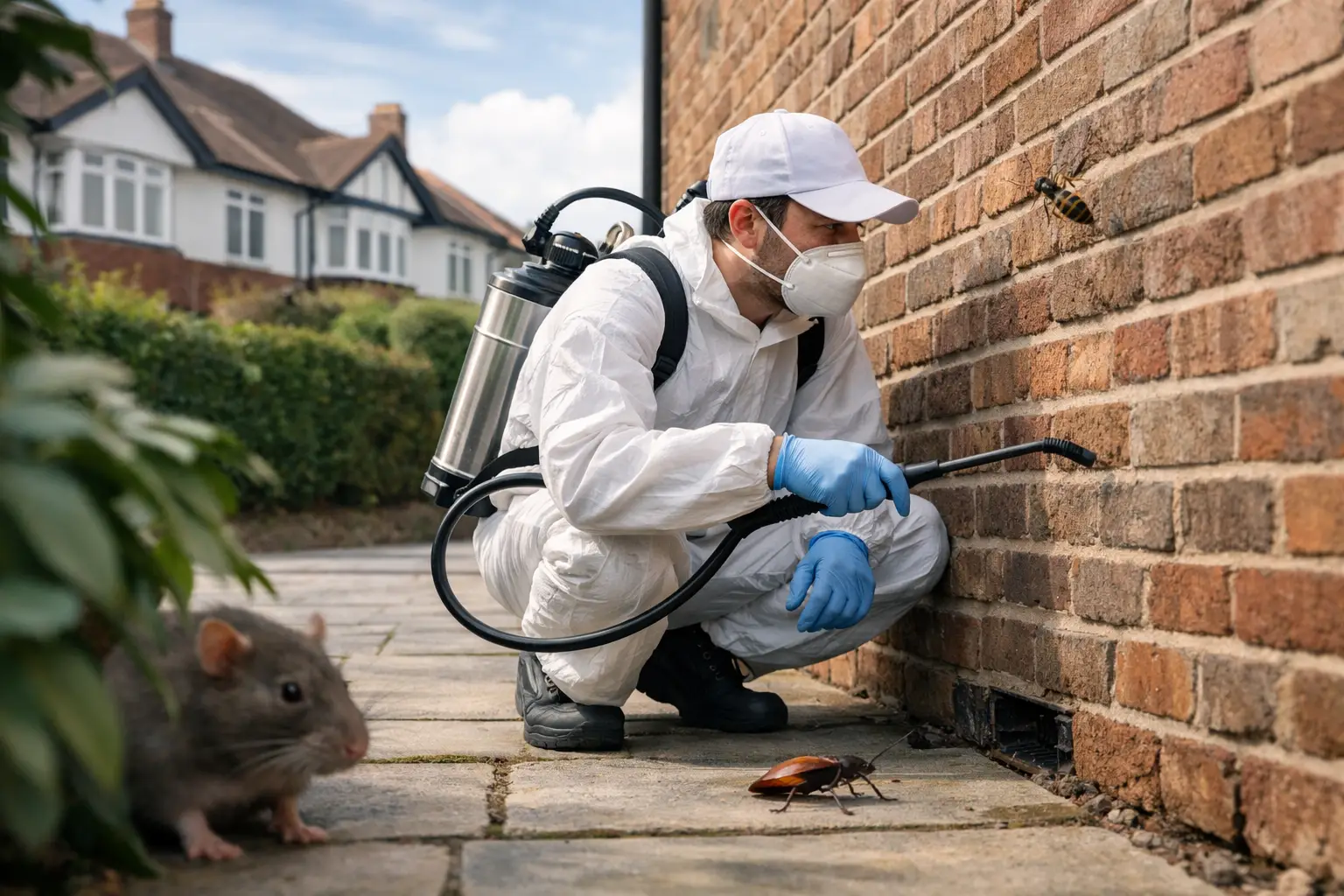
A rat scratching behind the kitchen units, bites appearing after a night’s sleep, or a wasp nest close to a child’s bedroom can turn a normal day into an urgent problem. Pest control in Harrow is not simply about removing what you can see. It means identifying the source, treating it safely and making sure the conditions that attracted pests are addressed.
For homes, rented properties and businesses, quick action usually limits disruption and reduces the chance of an infestation spreading. The right response depends on the pest, the property and the level of activity, but waiting for a problem to disappear rarely works.
When pest control in Harrow should be urgent
Some pests are a nuisance at first and become much harder to manage when left untreated. Rodents can contaminate food areas, damage wiring and reproduce quickly. Cockroaches and bed bugs can move through neighbouring rooms or flats, while fleas may remain active in carpets and soft furnishings after pets have been treated.
Call for professional help promptly if you find fresh droppings, gnaw marks, greasy rub marks along walls, persistent insect sightings, nests, bites or unusual smells. Hearing movement in ceilings, lofts or wall voids is another reason to act. A single sighting does not always mean a major infestation, but it is worth taking seriously where there is evidence of repeated activity.
For commercial premises, the threshold should be even lower. Restaurants, offices, shops and managed buildings need to protect staff, customers, stock and their reputation. Delays can lead to contamination, complaints and avoidable closure risks.
Emergency support is particularly valuable for heavy rodent activity, a cockroach outbreak, a bed bug issue affecting multiple rooms, or an active wasp nest close to entrances and living spaces. If someone has an allergy to stings, do not attempt to deal with a nest yourself.
What a professional treatment should involve
Effective pest management begins with an inspection, not a one-size-fits-all spray. A qualified technician should establish which pest is present, where it is active, how it is entering the property and what is helping it survive there. This matters because treatment for mice is very different from treatment for fleas or ants.
For rodents, the work may involve placing secure bait stations or traps in appropriate locations, identifying entry points and advising on proofing. Small gaps around pipework, damaged air bricks, poorly fitted doors and gaps beneath sheds can all give rats and mice access. In many cases, removing the rodents without closing access points only provides short-term relief.
Bed bug treatment needs careful preparation and clear instructions. Bed bugs hide in bed frames, mattress seams, skirting boards, furniture and nearby cracks. A professional may recommend laundering bedding at the right temperature, reducing clutter and treating several areas rather than just the mattress. Follow-up visits are often necessary because eggs may hatch after the initial treatment.
Cockroach control also requires persistence. These insects favour warm, sheltered locations near food and moisture, including kitchens, boiler cupboards and appliance voids. Targeted gel treatments, monitoring and hygiene advice tend to be more effective than indiscriminate household insecticides, which can scatter activity rather than resolve it.
A reliable service should explain what treatment is being used, what you need to do before and after the visit, whether children or pets need to stay away from treated areas, and when you can expect to see results. Pests do not always vanish instantly. Increased activity can sometimes be seen shortly after treatment as pests leave harbourage areas. Clear communication prevents unnecessary worry.
Common Harrow pest problems and the right response
Harrow properties range from family houses with gardens and lofts to flats, shops and busy food premises. That variety creates different pest pressures throughout the year.
Mice often enter homes during colder weather, using tiny gaps to reach warmth and food. Rats may be linked to drains, overflowing bins, bird feeding areas or garden access. Keeping food sealed and waste contained helps, but visible rodent signs need professional assessment before the problem grows.
Ants become more noticeable in warmer months, especially around kitchens, patios and food storage. Wiping away a trail may remove the immediate line, but it does not deal with the colony. The treatment needs to reach the nest through carefully placed bait or another suitable method.
Wasps can become increasingly defensive as a nest develops through summer. Never block a visible nest entrance or spray it with a household product. This can provoke the colony and force wasps into other parts of the building. Honey bees should be treated differently from wasps wherever possible, with removal or relocation considered by an appropriate specialist rather than destruction.
Fleas are often brought in by pets, but they can continue biting after an animal has received treatment. The home environment needs attention too, particularly carpets, upholstery, pet bedding and gaps around furniture. Treating only the pet or only the room is a common reason fleas return.
What you can do before the technician arrives
A few sensible steps can make inspection and treatment more effective. Do not move suspected bed bug furniture into another room, as this can spread the infestation. Avoid using multiple shop-bought pesticides before an appointment, especially for cockroaches and bed bugs, because this may make activity harder to trace or drive pests deeper into hiding.
Instead, keep a note of where and when you have seen the pest. Take photographs of droppings, insects, bite patterns or nest locations if it is safe to do so. Keep children and pets away from any suspected nest or affected area.
For rodents, remove accessible food from worktops, clear clutter from under sinks where possible and ensure rubbish is stored in closed bins. For insects, avoid deep-cleaning every affected crack immediately before an inspection, as signs of activity help a technician identify the source. Good hygiene matters, but it cannot replace targeted treatment.
Preventing pests after treatment
Prevention is not about having a spotless property. Even clean, well-managed homes and businesses can experience pests through shared walls, deliveries, drains, gardens and neighbouring activity. The aim is to reduce food, water, shelter and access.
Check external doors for gaps and repair damaged seals. Keep indoor and outdoor bins lidded, clean spillages quickly and store dry goods in sealed containers. Repair leaking taps, pipes and appliances, as even small water sources can support pests. In gardens, keep vegetation from pressing against walls, avoid leaving pet food outside and review compost, sheds and bird-feeding areas if rodents have been present.
Landlords and managing agents should take reports seriously and coordinate treatment where a building has shared plumbing, communal bin areas or connected voids. Treating one flat in isolation may not be enough when pests are moving through the wider property.
Choosing a pest control provider
Price matters, but the cheapest quote is not always the best value if it covers only a quick visit with no inspection, aftercare or prevention advice. Ask whether the service includes identification of the pest, a tailored treatment plan, follow-up where required and practical guidance on keeping the problem from returning.
It is also sensible to choose an insured, professionally staffed provider that can respond when the issue cannot wait. For a business, confirm that the provider understands the need for discreet, hygienic treatment and clear documentation. For a household, look for straightforward explanations rather than pressure or vague promises.
Golden Pest Control provides rapid, professional support for residential and commercial pest problems, including urgent cases that need attention outside standard hours. The goal is to restore confidence in your property, not leave you guessing what happens next.
If you are seeing signs of pests in Harrow, act while the problem is still contained. A timely inspection can protect your home, tenants, customers and peace of mind, with treatment that addresses both the infestation and the reason it started.