
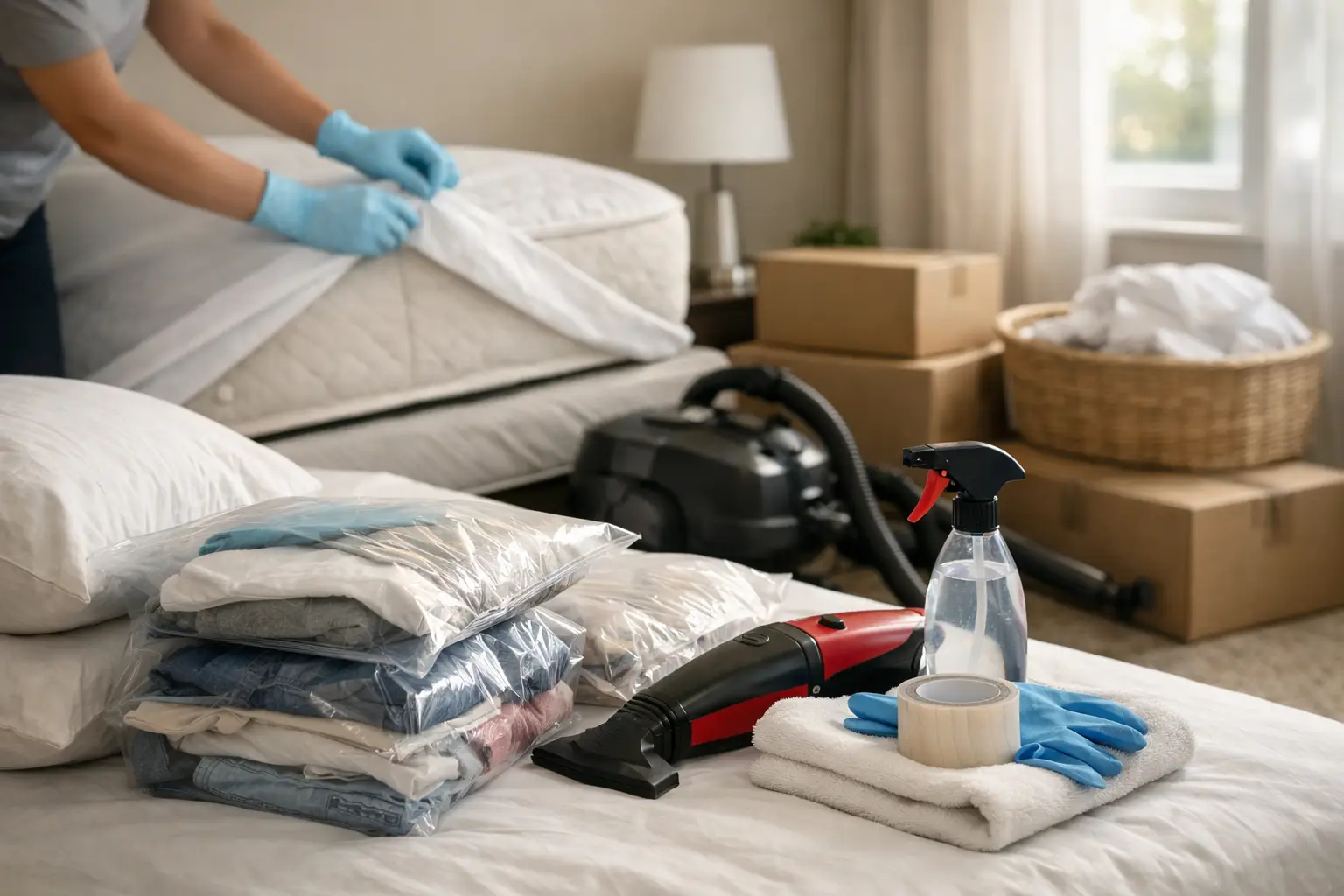
The night before a bed bug treatment is usually when stress peaks. People start bagging clothes, moving furniture, and wondering whether they are helping or making the problem worse. A clear bed bug treatment preparation guide matters because good preparation gives the treatment the best chance of working first time, with less disruption and less risk of bed bugs being left behind.
Preparation is not about making the property look tidy for the technician. It is about exposing hiding places, reducing clutter, and making sure bed bugs cannot simply move from one untouched area to another. If any part of the room remains inaccessible, treatment can take longer or become less effective. That is why careful preparation is one of the most important parts of the whole job.
Why preparation makes such a difference
Bed bugs are small, persistent, and very good at staying out of sight. They hide in mattress seams, bed frames, skirting board gaps, bedside furniture, soft furnishings, and even behind loose wallpaper or electrical fittings. If rooms are crowded, untreated items are mixed with treated ones, or furniture is pushed tight against the wall, it becomes harder to reach the places where bed bugs are actually living.
This does not mean you need to strip the home bare or throw everything away. In fact, disposing of furniture too quickly can make matters worse if bugs are spread through communal areas or into another room. The goal is controlled preparation, not panic. A professional treatment plan works best when the property is organised in a way that allows thorough inspection and access.
Bed bug treatment preparation guide for each room
Start with the affected bedroom, but do not assume the problem ends there. If bed bugs have been active for a while, nearby rooms may also need attention. Focus first on sleeping areas, then move to adjacent spaces such as lounges or spare rooms where people rest for long periods.
Strip beds properly
Remove all bedding including sheets, duvet covers, pillowcases, protectors, and blankets. Place everything straight into sealed plastic bags before carrying it through the property. Do not leave linen on the floor or drape it over furniture, as this gives bed bugs another chance to spread.
Once bagged, wash items on a hot cycle if the care label allows it, then dry them thoroughly. Heat is one of the most useful tools for dealing with bed bugs on fabrics. Clean items should be kept sealed until after treatment and until your technician advises it is safe to return them.
Reduce clutter without moving the problem
Clutter gives bed bugs more harbourage points. Clothes piles, books, storage boxes, toys, and loose personal items should be sorted and contained. The key point is to bag or box items carefully rather than carrying them loose from room to room.
If clothing has been stored near the bed, treat it as potentially exposed. Wash and dry what you can. For items that cannot be laundered, keep them sealed and ask your pest control provider for specific advice. Some belongings need heat, some need isolation, and some simply need inspection.
Move furniture for access
Beds, bedside cabinets, chests of drawers, and other furniture near sleeping areas should usually be pulled slightly away from the walls if possible. This allows technicians to inspect skirting edges, the rear of headboards, and the back and underside of furniture.
There is a balance here. Heavy furniture should not be dragged in a way that causes damage or injury. If something is too large or awkward, say so in advance. A good pest control team would rather plan around that than arrive to find half-moved furniture and a damaged floor.
What to do with clothes, soft furnishings, and personal items
One of the most common questions in any bed bug treatment preparation guide is what to do with belongings. The short answer is this: separate, seal, and label.
Clean items and potentially infested items should not be mixed. Use strong plastic bags or sealed containers. Label them clearly so you know what has been washed, what still needs attention, and what should stay isolated. This avoids confusion after treatment, when people often unpack too quickly and accidentally reintroduce bed bugs.
Curtains, cushions, throws, and fabric items near the bed may also need laundering or inspection. Shoes, handbags, and luggage should not be ignored, particularly if they have been kept under the bed or in nearby wardrobes. Bed bugs do not only live in mattresses. They settle where they can stay close to a host and avoid disturbance.
Preparing the bed itself
Mattresses should usually remain in the property unless your technician tells you otherwise. Throwing them out is often unnecessary and expensive. More importantly, bed bugs are just as likely to be in the frame, headboard, or surrounding furniture.
Take off bedding and leave the mattress accessible. If the bed has storage drawers, empty them if instructed and bag contents carefully. Divan bases, slatted frames, and upholstered headboards are all common hiding spots, so the more accessible they are, the better the inspection and treatment can be.
After treatment, some households choose to use specialist mattress encasements. These can be helpful in certain cases, but timing matters. It is best to follow the advice given for your specific treatment rather than buying products in a rush.
What to expect in kitchens, lounges, and shared spaces
Bed bugs are strongly associated with beds, but they can also spread into sofas, armchairs, and other seating, especially in studio flats, shared accommodation, or rooms where people sleep on a sofa regularly. If bites or sightings have occurred in a lounge, that area may need similar preparation.
Kitchens usually require less direct preparation for bed bug work unless they connect closely to an affected sleeping area. Even so, clear communication matters. In London properties, especially smaller homes and rented accommodation, rooms are often multi-use. Let the technician know where people sleep, rest, or store laundry so no area is overlooked.
Cleaning before and after treatment
Light cleaning before treatment is often sensible, but deep cleaning can be counterproductive if it disturbs bugs and spreads them into new areas. Vacuuming may be recommended, particularly around bed frames, mattress seams, and skirting edges, but this depends on the treatment method and timing.
If you do vacuum, empty the vacuum contents straight away into a sealed bag and dispose of it carefully. Do not leave vacuum debris indoors.
After treatment, avoid cleaning treated areas too soon. This is a common mistake. Some products need time to remain in place and continue working. If you wash skirting boards, vacuum corners, or wipe down treated surfaces immediately, you may reduce the effectiveness of the service. Always follow the aftercare instructions given on the day.
Pets, children, and safety on treatment day
Professional bed bug treatment should always come with clear safety instructions. If there are children, pets, or vulnerable residents in the property, mention this in advance so the visit can be planned properly.
Pets, bedding, feeding bowls, and toys may need to be removed from treatment areas. Fish tanks and sensitive animals need particular care. The same goes for people with respiratory conditions or other health concerns. Safe treatment is not just about the product used. It is also about correct preparation, ventilation, re-entry times, and proper communication.
Common preparation mistakes to avoid
The biggest mistake is treating preparation like a house clearance. Moving piles of belongings from one room to another without sealing them can spread bed bugs fast. Another common problem is sleeping in a different room before the treatment plan is complete. That may sound sensible, but it can encourage bed bugs to establish in a second area of the property.
People also make the job harder by using shop-bought sprays before the technician arrives. These products can scatter bed bugs deeper into cracks and make professional treatment less straightforward. If you have already used something, say so. Honest information helps your pest control provider adjust the approach.
When preparation feels too much
Not every property is easy to prepare. Elderly residents, tenants in shared housing, busy families, and commercial sites often need practical support, not just instructions. In those cases, the right approach is to speak to your provider early. A dependable pest control company will explain priorities clearly and tell you what must be done before the visit and what can be handled during the appointment.
For urgent cases in London, speed matters, but so does getting the preparation right. Golden Pest Control often sees situations where people have delayed treatment because they thought everything had to be perfect first. It does not. What matters is clear access, careful handling of belongings, and following the instructions you are given.
A bed bug problem can feel personal, but it is a pest issue like any other – it needs a calm, methodical response. Prepare thoroughly, ask questions if anything is unclear, and focus on giving the treatment every chance to work properly from the start.
1 Comment
Pest Control in Hendon When You Need Fast Help - Golden Pest Control London
August 26, 2026[…] bed bugs, preparation is usually more detailed. Items may need to be washed at an appropriate high temperature where […]