
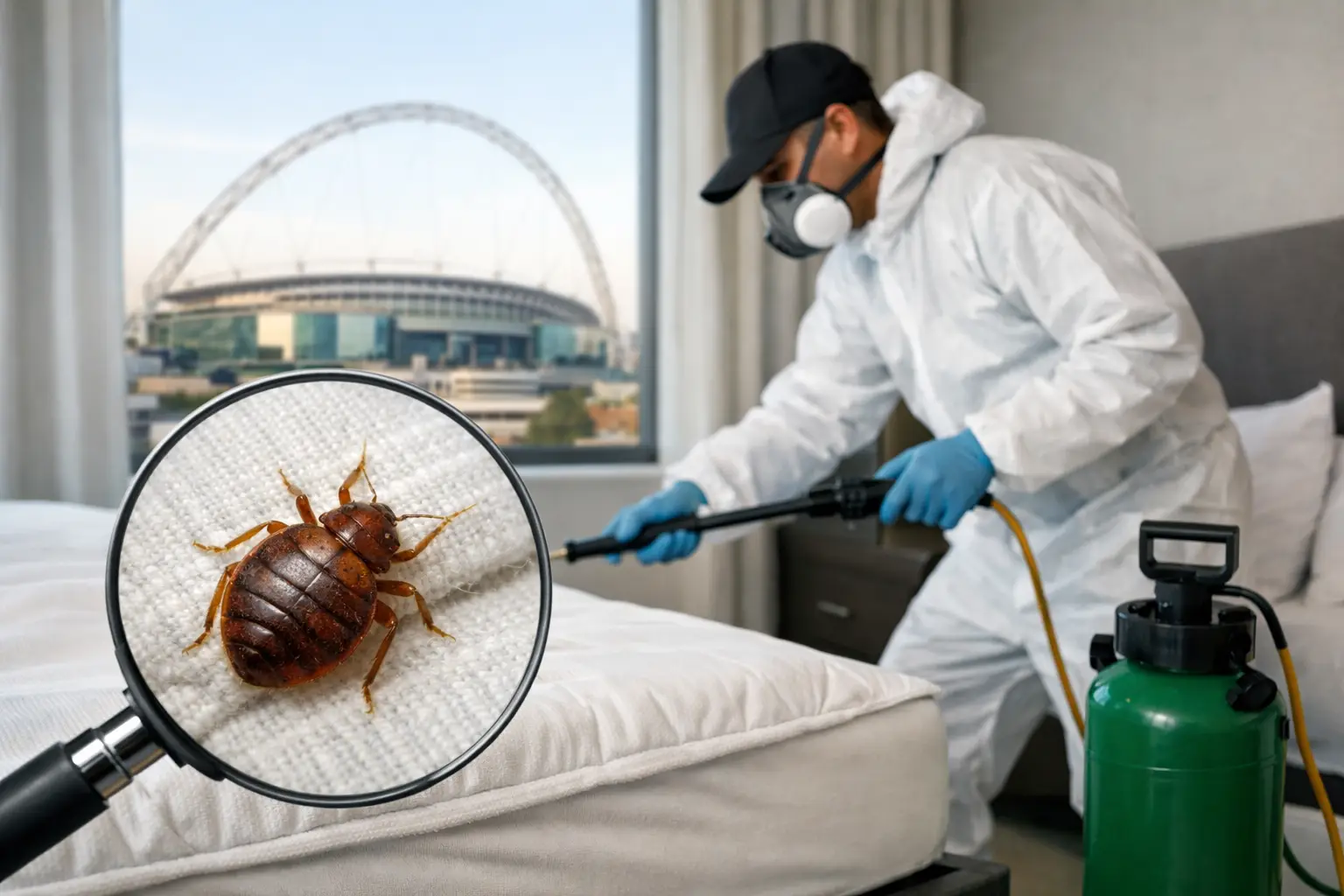
A bed bug problem rarely stays contained to one room. What begins as a few unexplained bites or small marks on the mattress can quickly affect bedrooms, upholstered furniture and adjoining rooms. Fast, properly planned bedbug treatment in Wembley is the most reliable way to stop the infestation before it becomes harder and more costly to control.
Bed bugs are not a sign of poor hygiene. They are expert hitchhikers, often arriving in luggage, second-hand furniture, shared buildings or after travel. Once inside, they hide in narrow gaps close to where people rest, feeding mainly at night and remaining difficult to spot during the day. The right response is calm, thorough and professional.
Recognising a bed bug infestation early
Bites alone do not confirm bed bugs. Different insects and skin conditions can leave similar marks. However, bites that appear after sleeping, often in clusters or lines on exposed skin, are a reason to inspect the sleeping area closely.
Look for tiny dark spots around mattress seams, bed frames, headboards and skirting boards. These may be bed bug droppings. You may also find pale shed skins, small white eggs or live insects, which are flat, oval and reddish-brown when adult. Bed bugs can hide in divan bases, bedside furniture, loose wallpaper, curtain folds, electrical fittings and the seams of chairs or sofas.
In flats, hotels, hostels and shared accommodation, a report in one room should be taken seriously. Bed bugs may travel through cracks, service routes and shared walls. Treating only the most obvious bed without inspecting nearby areas can leave the source of the problem untouched.
Why shop-bought sprays often fail
It is understandable to want an immediate answer when you find signs of bed bugs. Aerosol sprays may kill insects that are directly exposed, but bed bugs spend much of their time hidden in protected spaces. Eggs can survive an incomplete treatment, and surviving bugs may continue breeding.
Overusing insecticides can also drive bed bugs deeper into the room or into neighbouring spaces. Foggers are particularly poor at reaching the cracks and crevices where the insects shelter. They may create false reassurance while leaving the infestation active.
Professional treatment is different because it starts with finding the extent of the activity, not simply spraying the visible area. A qualified technician will assess sleeping areas, furniture, adjoining rooms and likely harbourage points before selecting a treatment method suited to the property and infestation level.
Bedbug treatment in Wembley: what the process involves
A dependable treatment plan has several stages. The first is inspection. This identifies whether bed bugs are present, where they are hiding and whether activity has spread beyond the original room. In a house with several bedrooms or a commercial premises with guest areas, this stage is essential for avoiding missed areas.
Treatment may involve targeted professional insecticide applications, heat-based methods or a combination of approaches. The best choice depends on the property layout, the scale of the infestation, access to affected rooms and whether there are vulnerable occupants, pets or business operations to consider. Heat can be highly effective when applied correctly, while residual treatments can continue working in treated harbourage areas. A technician should explain what is being used, any safety requirements and whether follow-up visits are needed.
Follow-up is often part of effective bed bug control. Bed bug eggs may hatch after an initial visit, so revisiting the property allows newly emerged insects to be dealt with before they reproduce. Promises of a one-visit cure should always be considered carefully. For established infestations, careful preparation and follow-up monitoring usually offer a more reliable outcome.
Golden Pest Control provides clear guidance throughout the process, with rapid support for homes, rented properties and commercial premises where a bed bug report needs urgent action.
Preparing your home or premises
Preparation is not about throwing everything away. In fact, moving untreated belongings into other rooms can spread bed bugs further. Your technician will provide instructions tailored to the treatment, but preparation commonly includes the following:
- Strip beds and place bedding, clothing and washable fabrics from affected areas into sealed bags before moving them.
- Wash suitable items at the highest temperature permitted by their care label, then dry thoroughly on a hot setting where appropriate.
- Vacuum mattress seams, bed frames, carpets and furniture carefully, then seal and dispose of the vacuum contents outside.
- Reduce clutter around beds, sofas and skirting boards so treatment can reach hiding places.
- Do not move furniture, mattresses or bags to another room unless your pest control professional tells you to do so.
It may be inconvenient to prepare, especially for busy households or businesses, but it makes a significant difference. Bed bugs can shelter in a surprising range of items, and accessible rooms allow treatment to be more precise and effective.
Treatment for tenants, landlords and businesses
For tenants, report suspected bed bugs to your landlord or managing agent promptly and keep a written record. Avoid blaming neighbours or assuming where the problem began, as bed bugs can be introduced in many ways and their movement in multi-occupancy buildings is not always easy to trace. Early reporting gives everyone the best chance to contain the issue.
Landlords should arrange a professional assessment rather than relying on informal reports alone. A documented inspection and treatment plan helps protect the property, supports clear communication with tenants and reduces the risk of the infestation spreading to other units.
Businesses face additional pressure. Hotels, care settings, offices, retailers and accommodation providers need to act discreetly and decisively to protect visitors, staff and their reputation. Treatment may need to be scheduled around operating hours, access restrictions and hygiene procedures. The priority is to address the problem quickly without disrupting the premises more than necessary.
Preventing bed bugs from returning
After treatment, keep up any monitoring and follow-up appointments recommended by your technician. Do not reintroduce stored items into treated rooms until you have been advised it is safe to do so. Mattress encasements can help make future inspections easier, but they are not a replacement for professional treatment where bed bugs are already active.
When travelling, inspect hotel bed seams and avoid placing luggage directly on beds or upholstered seating. At home, unpack luggage away from sleeping areas and wash travel clothing where practical. Check second-hand beds, sofas and furniture carefully before bringing them inside. These simple habits cannot guarantee prevention, but they reduce the chance of bringing bed bugs into your property.
When to call for professional help
Call as soon as you have credible signs of bed bugs, especially if bites are recurring, you have found dark spotting around the bed, or the problem appears to be spreading. Acting quickly can limit the number of rooms affected and reduce disruption for everyone in the property.
You do not need to identify every insect or know exactly how the infestation started before asking for help. A professional inspection provides the clarity needed to make the next decision with confidence. The sooner bed bugs are dealt with methodically, the sooner your bedroom, flat or business can feel comfortable again.