
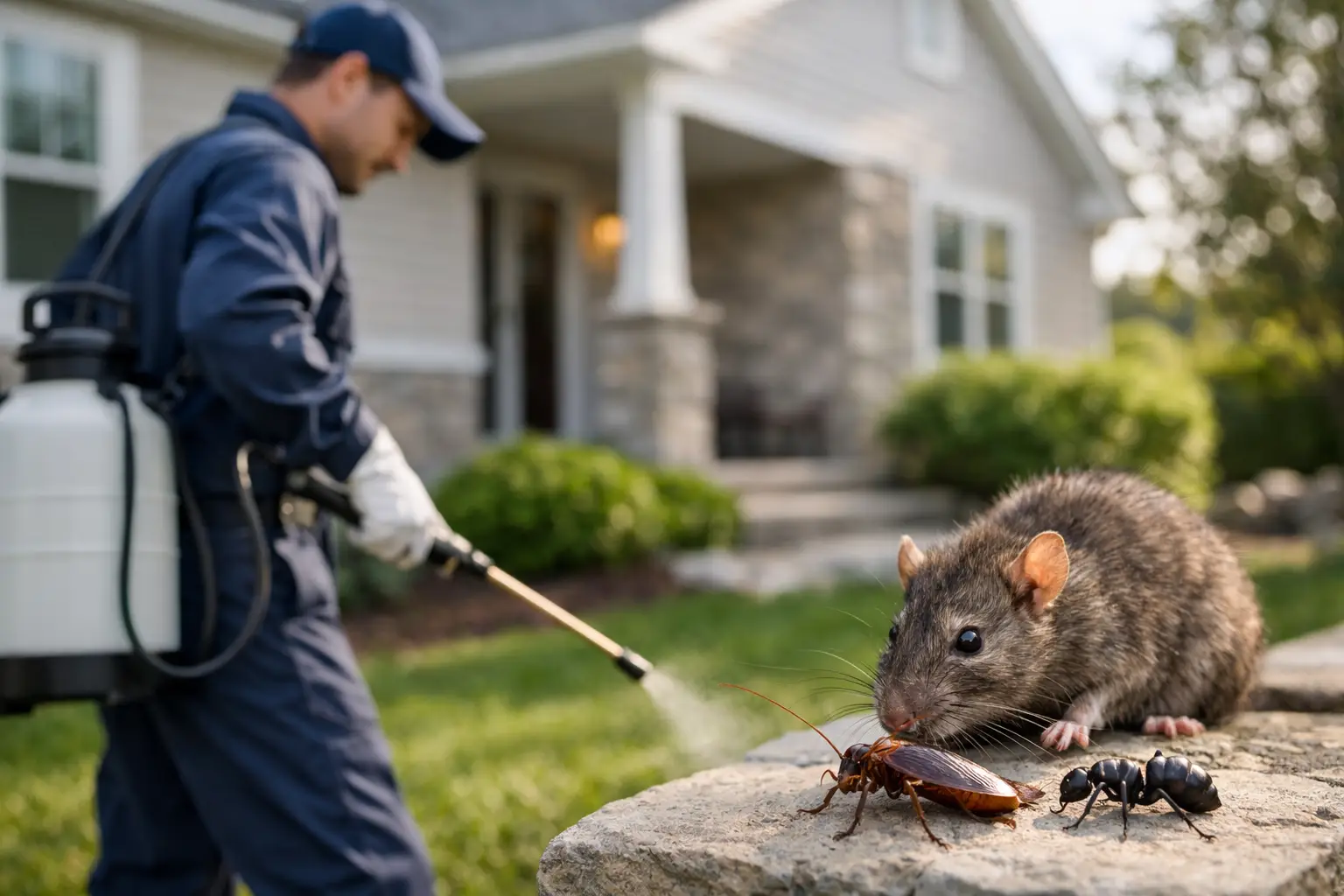
A scratching sound behind the kitchen units, bites that appear after sleeping, or a wasp nest near a bedroom window can turn a comfortable home into a source of real worry. This residential pest control treatment guide explains what to do first, what a professional treatment involves, and how to protect your household without taking unnecessary risks.
Start by judging the urgency
Not every pest sighting requires an emergency call-out, but some signs should not be left for the weekend. Rats and mice can contaminate food, damage wiring and spread quickly through adjoining homes. Bed bugs can multiply rapidly and travel between rooms in clothing, bags and furniture. Cockroaches may contaminate food preparation areas, while an active wasp nest near an entrance, loft room or child’s play area presents a sting risk.
If you see a rat or mouse in daylight, find fresh droppings, hear repeated scratching at night, or discover chewed cables, arrange an inspection promptly. A daytime rodent sighting can indicate a larger population or a shortage of food nearby, both of which warrant quick action.
For bed bugs, look for bites in lines or clusters, tiny dark marks around mattress seams, shed skins and live insects in bed frames or upholstered furniture. Bites alone do not confirm bed bugs, but they are a reason to investigate rather than simply change detergent or bedding.
Avoid applying several shop-bought sprays before you know the pest. Incorrect products can drive insects deeper into wall voids, make bed bugs harder to treat, or create avoidable exposure for children and pets. A clear identification is the starting point for a treatment that works.
Residential pest control treatment guide: the inspection
A proper treatment begins with more than a quick look around the room where the pest was seen. A technician should identify the species, assess the scale of activity, find likely entry points and look for the conditions allowing pests to survive. In a London flat, for example, the source may be a shared pipe route, a bin store, an adjoining property or a gap beneath kitchen units rather than the room where you first noticed the problem.
Be ready to explain when you first saw the pest, where activity is most common, whether you have tried any products, and whether children, pets or vulnerable people live in the property. Clear information helps the technician select the right method and advise on any precautions.
Inspection findings should lead to a tailored plan. That may involve trapping and proofing for rodents, targeted insecticide treatment for cockroaches, heat or residual treatment for bed bugs, or nest treatment for wasps. The number of visits depends on the pest, the property layout and the severity of the infestation. One visit may resolve a small issue, but follow-up is often the responsible choice when eggs, harbourage areas or ongoing access points are involved.
What happens during professional treatment
Professional pest control is designed to remove the active problem while reducing the chance of recurrence. The exact process changes by pest, so it is sensible to ask what will be used, where it will be applied, when you can re-enter treated areas and what you need to do afterwards.
For rodents, treatment often combines carefully positioned traps or secured bait stations with proofing advice. Removal alone is rarely enough if mice can still enter through gaps around pipes, damaged air bricks or poorly sealed doors. Your technician may recommend sealing openings only after activity has reduced, as blocking an active route too soon can leave rodents trapped indoors.
Bed bug treatments usually require thorough preparation and more than one visit. Eggs may survive an initial application, making follow-up treatment essential. You may need to bag and wash bedding and clothing at the highest temperature suitable for the fabric, vacuum carefully and avoid moving untreated belongings to other rooms.
Cockroach and ant treatments frequently use targeted gels or insecticidal applications in cracks, voids and areas close to food or water sources. Keeping surfaces clean matters, but do not scrub treated locations unless instructed. Removing the treatment too early can reduce its effect.
Wasp nests should be handled from a safe distance. Do not block the nest entrance, use a hose, or attempt to knock the nest down. Disturbed wasps can become aggressive. If there is an immediate risk to people in the home, keep the area clear and arrange professional help.
How to prepare your home safely
Preparation allows treatment to reach the places pests hide. Your technician should give pest-specific instructions before attending, and these instructions take priority over general advice. In most cases, you will need to provide access to affected rooms, cupboards, lofts or utility areas and move pets away from treatment zones.
Store food, pet bowls and children’s toys away from areas being treated. Clear clutter from floors and along skirting boards where possible, especially in kitchens, bedrooms and behind appliances. This is not about making the property look perfect. It is about exposing harbourage points and making the treatment more effective.
For a rodent issue, avoid leaving food out overnight and keep rubbish in lidded bins. For a suspected bed bug problem, do not start sleeping in another room. Moving away can spread bed bugs through the home and make the infestation harder to contain. Continue using the affected bed unless your pest controller tells you otherwise.
After treatment, follow all re-entry, ventilation and cleaning directions. Keep any monitoring devices in place and report fresh activity honestly. Seeing occasional insects shortly after treatment does not always mean it has failed, particularly where the product is designed to work over time. Your technician can explain what level of activity is expected and when it needs reassessment.
Treatment is only half the solution
The most reliable residential pest control treatment includes prevention. Pests need food, water, shelter and access. Removing one of these helps, but closing off several creates a far stronger result.
Check around pipework under sinks, behind washing machines and where cables enter walls. Repair damaged seals, fit door brushes where there is a visible gap, and keep external bins clean and closed. Fixing a slow leak can make a surprising difference for cockroaches, ants and rodents because moisture is often as valuable as food.
In blocks of flats and rented homes, prevention may need co-ordination. A tenant can keep their own kitchen spotless and still experience mice through a shared service void. Landlords and managing agents should address building defects, refuse arrangements and neighbouring activity where relevant. A professional report can help make the next steps clear.
When to request urgent help
Act quickly if rodents have damaged electrical wiring, if bed bugs are spreading through bedrooms, if cockroaches are present around food preparation, or if a wasp nest creates a risk near occupied areas. Households with young children, allergies, pets or medically vulnerable residents may need additional care and faster advice.
Golden Pest Control provides rapid, professional support for homes across its London service area, including urgent pest concerns that cannot wait for normal working hours. The priority is not simply to remove what you can see, but to identify why it is there and treat the problem safely.
A pest problem is easier to solve when it is addressed early, with the right treatment and clear aftercare. Keep notes of what you have seen, avoid risky DIY measures, and arrange an inspection when the signs point to active infestation.