
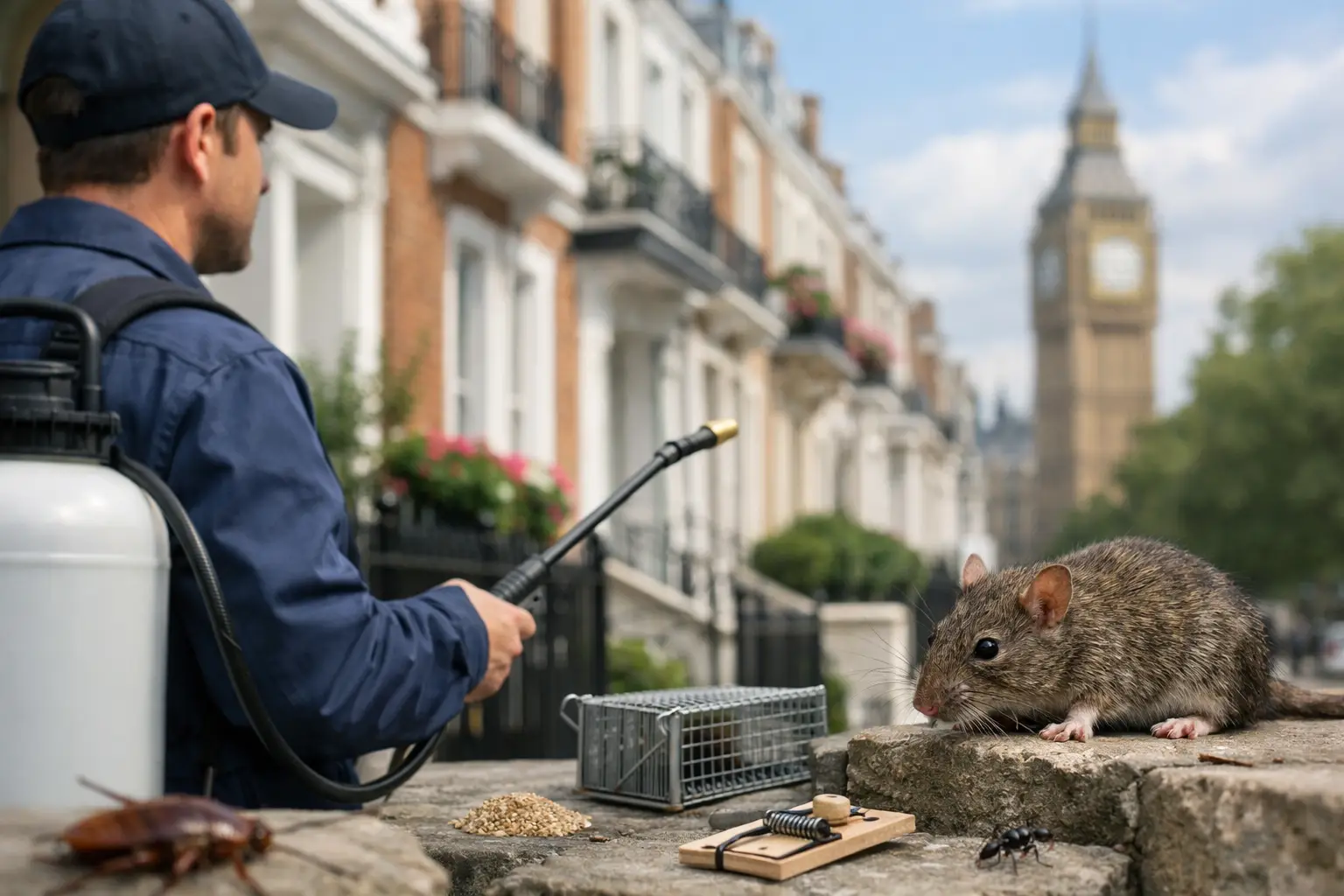
A rat scratching behind a kitchen unit at midnight, bites appearing after sleep, or a wasp nest beside a front door all demand more than a quick spray. The best pest control methods identify the pest correctly, remove the active problem safely and make the property less inviting when treatment is complete. The right approach depends on the species, the scale of activity and who uses the building.
For homes, flats, restaurants, offices and managed properties, the aim is not simply to stop seeing pests for a few days. Effective control breaks the conditions that allow an infestation to continue: food, water, shelter and access. That is why professional inspection and clear follow-up matter as much as the initial treatment.
Start with identification, not guesswork
Different pests leave different signs and respond to different treatments. A mouse dropping is smaller and more pointed than a rat dropping. Bed bug bites can resemble other skin reactions, while dark spotting around a mattress seam may be a more useful sign. Cockroaches often hide behind appliances and emerge at night, whereas ants may form a visible trail towards a food source.
Misidentification wastes time and can spread the problem. A domestic aerosol may disturb bed bugs and drive them deeper into cracks, making later treatment harder. Poison placed without a proper plan can leave rodents dying in inaccessible voids. Before choosing a method, inspect likely harbourage areas, look for entry points and establish how long activity has been present.
In a commercial setting, this assessment should also consider hygiene procedures, stock storage, waste collection and the routes used by staff, deliveries and customers. A treatment plan needs to work around the business without compromising food safety or daily operations.
Best pest control methods by pest type
Rats and mice: proofing, trapping and controlled baiting
Rodent control works best as a combined programme. The first priority is to remove easy access to food and water. Store dry goods in sealed containers, clear spillages promptly, keep bins closed and avoid leaving pet food out overnight. Leaking pipework and cluttered storage areas should be addressed because rodents use them for shelter and nesting material.
Proofing is equally important. Mice can enter through gaps that look insignificant around pipes, vents, doors and damaged brickwork. Sealing suitable gaps with durable materials prevents new rodents replacing those removed. This work may need to be timed carefully, as sealing an active route before control has begun can trap rodents inside a property.
Trapping can be a highly effective method for a small, localised mouse problem when traps are correctly placed and checked. Professional baiting may be appropriate for established rat activity, particularly in drains, basements, gardens or larger buildings. Baits must be secured in tamper-resistant stations, positioned with care and monitored by a trained technician. This protects children, pets and non-target wildlife while allowing activity to be measured.
Bed bugs and fleas: thorough treatment with follow-up
Bed bugs are not a cleanliness issue. They travel in luggage, second-hand furniture and belongings, then hide close to where people rest. Successful removal requires detailed inspection of beds, sofas, skirting boards, bedside furniture and cracks in the room.
Professional insecticide treatment is often applied to targeted harbourage areas, with a follow-up visit scheduled to deal with newly hatched insects. In some cases, heat treatment is suitable because it can reach bed bugs across multiple life stages. The best option depends on the infestation, access to rooms and the items that need protecting.
Preparation is part of the method. Bedding and washable clothing are usually washed and heat-dried according to the treatment instructions, while rooms must be cleared enough for technicians to access edges, joints and furniture. Throwing out a mattress rarely solves the issue on its own and can spread bed bugs through communal areas if items are moved without protection.
Flea control also needs a dual approach. Treating carpets, upholstery and pet resting areas is only half the task if pets have not been assessed and treated through an appropriate veterinary route. Flea eggs and pupae can remain in the environment, so a short period of activity after treatment does not always mean it has failed.
Cockroaches and ants: targeted treatments and hygiene control
Cockroaches breed quickly and can contaminate food-preparation areas, making early action essential. Gel bait is often one of the most effective treatments because cockroaches consume it and carry the active ingredient back to harbourage areas. Sticky monitors help identify where activity is concentrated and whether treatment is working.
Spraying every visible surface is not always the answer. Heavy use of repellent products can scatter cockroaches and reduce bait uptake. Instead, a targeted programme should be combined with cleaning beneath equipment, repairing leaks and removing cardboard, food debris and unnecessary clutter.
For ants, the visible trail is usually only the route to and from a nest. Baiting can allow workers to take treatment back to the colony, while sealing entry points and removing sweet spills reduces the chance of further activity. Outdoor nests and indoor infestations may need different methods, especially where children, pets or food premises are involved.
Wasps and bees: do not treat a nest yourself
A wasp nest in a loft, wall void or garden can become a serious concern when it is close to doors, play areas or workspaces. Professional nest treatment is designed to control wasps without putting occupants at risk. Do not block the nest entrance or knock it down, as this can force agitated wasps into the building or result in stings.
Bees should be approached differently. They are valuable pollinators and may require specialist advice or relocation where possible. Correct identification matters, particularly because bumblebees, honeybees and wasps are often confused from a distance.
Prevention is the method that protects your investment
Once activity has been controlled, prevention determines whether the problem returns. Good pest management is practical rather than complicated: remove food sources, repair access points, reduce moisture and keep hidden areas accessible for inspection. Landlords and facilities managers should also consider how communal bin stores, service risers, delivery doors and shared pipe routes can allow pests to move between units.
For higher-risk premises, routine monitoring provides early warning. This may include discreet rodent stations, insect monitors and regular inspection records. Restaurants, cafés and food businesses benefit from documented checks because a small issue discovered early is far less disruptive than a visible infestation during service.
Residents can help by reporting signs promptly. A single droppings sighting, repeated insect activity or unexplained bites is worth investigating before the issue develops. Waiting for a pest to become obvious usually means it has had more time to breed or establish a route through the property.
When professional pest control is the safest choice
DIY products can be useful for minor, clearly identified issues, such as a small number of ants entering through an open window. They are less reliable when pests are breeding, hiding in structural voids or creating a health and safety concern. Rodents, bed bugs, cockroaches and stinging insects often require equipment, products and judgement that are not available through a standard shop-bought treatment.
Professional help is particularly advisable when there are children, pets, vulnerable residents, food preparation areas or repeated failed attempts at control. A qualified technician can select an appropriate treatment, explain preparation and re-entry requirements, and arrange follow-up where needed. For an urgent rat, bed bug, cockroach or wasp problem, rapid response can prevent further damage, contamination and stress.
Golden Pest Control provides tailored treatment plans for homes and businesses across London, including emergency support when the situation cannot wait. The focus should always be safe removal, straightforward communication and practical prevention after the immediate issue has been resolved.
A pest-free property is rarely achieved by one product alone. It comes from acting early, treating the right pest with the right method and closing the gaps that allowed it in.