
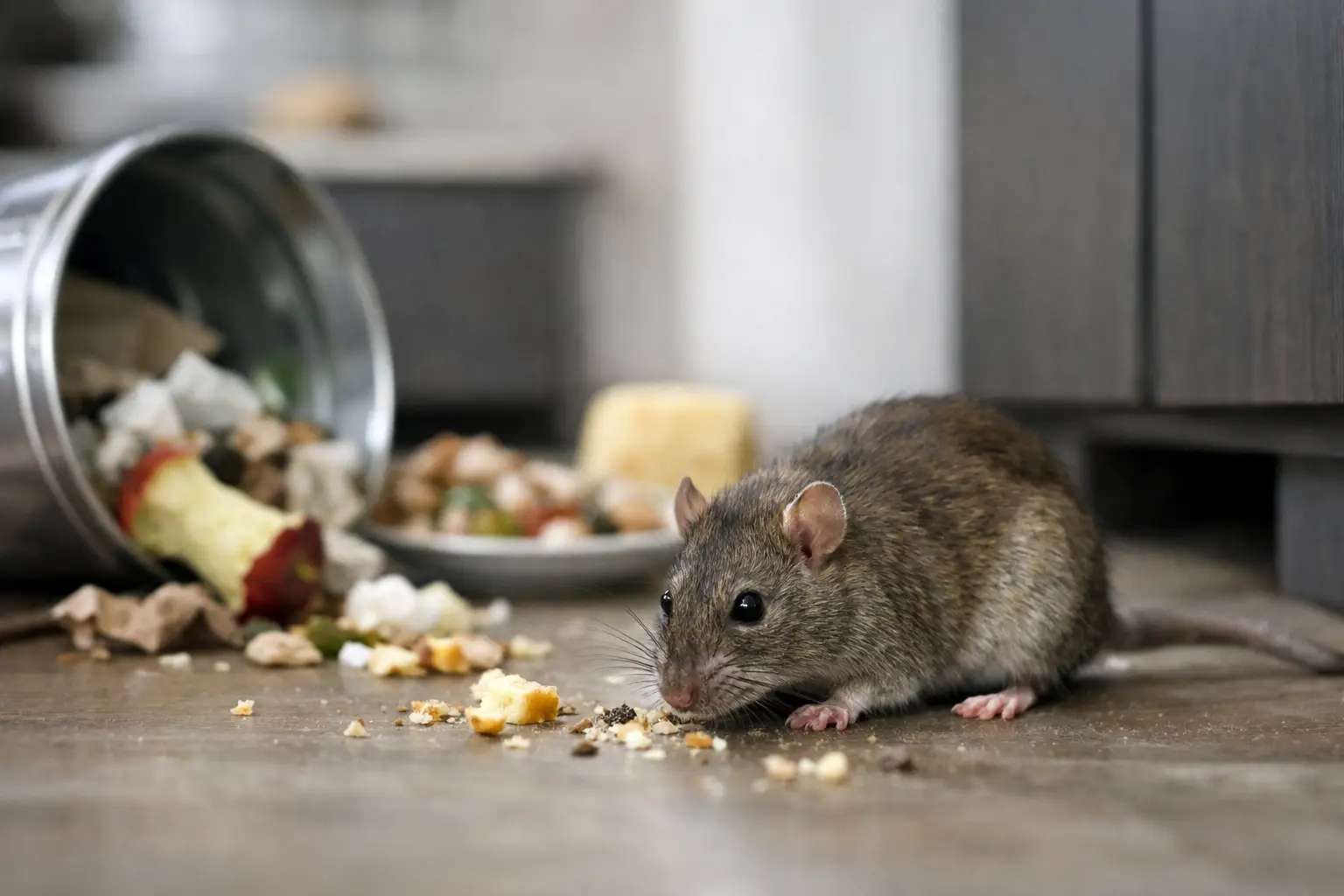
A single scratching sound under the floorboards can quickly make a home or workplace feel unsettling. Understanding what attracts rats indoors helps you deal with the real cause, rather than only reacting to the rat you have seen. In most cases, rats are looking for three things: reliable food, water and a sheltered place to nest.
London properties offer plenty of opportunities, particularly during colder or wetter weather. A warm kitchen, an overflowing bin store, a leak beneath the sink or a gap around a pipe can turn a nearby rat problem into an indoor infestation. The good news is that targeted housekeeping and proofing can make your property far less appealing.
What Attracts Rats Indoors Most Often?
Rats do not need a dirty property to move in. Even very clean homes, flats, offices and restaurants can attract them if food is accessible and there is a quiet route inside. They are cautious animals, but they are also persistent. Once they find a dependable source of food or a safe nesting area, they may return night after night.
Accessible food in kitchens and cupboards
Food is usually the strongest attraction. Open packets in cupboards, pet food left down overnight, crumbs behind appliances and food waste in thin bin bags all provide an easy meal. Rats are not fussy. They may eat cereals, fruit, bread, meat, nuts, cooking fats and even food residue on packaging.
Commercial premises face a similar risk. Staff kitchens, storerooms, café seating areas and waste collection points can all become feeding sites if cleaning routines or bin controls slip. One missed spill is unlikely to cause an infestation, but regular access gives rodents a reason to stay.
Store dry goods in hard containers with secure lids, clean beneath cookers and fridges where practical, and avoid leaving pet bowls full overnight. Kitchen bins should have close-fitting lids and be emptied regularly, especially in shared accommodation or busy workplaces.
Rubbish, recycling and outdoor feeding points
The source of a rat problem is often just outside the building. Overflowing wheelie bins, loose refuse sacks, compost heaps and food left for birds can support rats before they find a way indoors. Recycling is also worth checking. Unrinsed tins, bottles and takeaway containers can retain enough residue to attract rodents.
Bird feeding is a common issue around gardens, communal grounds and commercial courtyards. Rats are drawn to fallen seed, not necessarily the feeder itself. If you feed birds, use a feeder designed to reduce spillage and clear seed from the ground regularly. Keep compost enclosed, and do not add cooked food, meat or dairy products.
Water from leaks and condensation
Rats need water as well as food. A slow leak under a kitchen unit, dripping overflow pipe, faulty drain or standing water around bins can be enough to support them. In blocks of flats and older properties, plumbing voids can provide both water and a concealed route between rooms.
Check beneath sinks, behind washing machines and around boilers for moisture, staining or damaged pipework. In commercial kitchens, regular checks of floor drains, grease areas and washing stations are particularly valuable. Fixing a leak will not remove an established infestation by itself, but it removes one reason for rats to remain.
Warm, undisturbed nesting spaces
Rats favour hidden places where they can nest without frequent disturbance. Lofts, suspended ceilings, wall cavities, basements, cluttered storage rooms, sheds and voids behind kitchen units are all potential nesting areas. Materials such as cardboard, loft insulation, paper and fabric make nesting easier.
Clutter is not the sole cause of rats, but it gives them more cover and makes inspection harder. Keep stored items off the floor where possible and avoid letting cardboard boxes build up in garages, stockrooms or utility areas. A tidy space makes early signs of activity much easier to spot.
How Rats Get Into Homes and Businesses
Food may attract rats to a site, but a gap is what lets them indoors. They can enter through surprisingly small openings, especially where pipes, cables and drains pass through walls. Damaged air bricks, broken drain covers, gaps beneath doors and cracks around extensions are common access points.
Rats can also travel through damaged drains. This is a frequent concern in urban areas, where interconnected drainage systems and older pipework may allow rodents to move unseen. Signs such as repeated activity around toilets, drains or ground-floor kitchens may point to a drainage issue rather than a simple gap in the wall.
Look closely at the exterior of the property. Check that air bricks are protected with appropriate metal mesh, door sweeps sit firmly against the threshold, and gaps around pipework are properly sealed with durable materials. Avoid relying on foam alone, as rats can chew through it. Proofing should be carried out carefully, though: sealing an active entry point without confirming where rodents are inside can trap them within the building.
Early Signs That Rats Have Moved In
Rats are mainly active after dark, so you may notice evidence before you see one. Fresh droppings are dark and moist, while older droppings become grey and dry. You may also hear scratching in walls, ceilings or beneath floors, especially at night.
Other signs include gnaw marks on skirting boards, food packaging or cables; greasy rub marks along walls and pipes; a strong musky smell in enclosed spaces; and shredded material used for nests. Pets can also react to rodent activity, becoming unusually focused on a cupboard, appliance or section of wall.
Do not ignore chewed electrical cables. Beyond the hygiene concerns associated with rats, damaged wiring can create a serious fire risk. If there is clear evidence of activity, prompt action is safer than waiting to see whether the problem disappears.
Practical Steps to Make Your Property Less Attractive
Start by removing easy rewards. Keep food sealed, clear waste promptly, clean spills and crumbs, and repair leaking pipes. Then focus on the route in. Inspect external walls, vents, doors, service penetrations and drains, paying close attention to ground level and areas hidden by vegetation or stored items.
For landlords and facilities managers, prevention needs to be consistent across the whole site. One flat with accessible rubbish or one poorly maintained bin store can affect neighbouring properties. Clear reporting procedures, scheduled bin-area cleaning and quick repair of building defects help prevent isolated activity from becoming a wider problem.
Traps and bait may seem like a quick answer, but they do not always address the source. Incorrect placement can be ineffective, and amateur use of rodenticides carries risks for children, pets and wildlife. It also cannot resolve broken drainage, an unsealed access point or a persistent food source. Where activity is ongoing, a professional inspection provides a safer, more reliable picture of what is happening.
When to Call a Professional for Rat Control
Call for help quickly if you see a rat indoors, find repeated fresh droppings, hear movement in walls or ceilings, or notice signs in a food business, rental property or shared building. These situations need more than a one-off treatment. Effective rat control normally involves identifying access points, assessing nesting areas, treating the active problem and recommending proofing to reduce the chance of return.
The right approach depends on the property. A rat entering through a damaged drain requires different action from rats feeding in a bin store, while a restaurant needs controls that protect hygiene standards without disrupting operations. A qualified technician can assess the evidence, explain the treatment clearly and advise on practical prevention.
If rat activity is causing concern in your home or business, Golden Pest Control can provide rapid, professional support and a tailored plan to restore control of the property. Acting while the signs are still limited is often the simplest way to protect your space, your food storage and your peace of mind.