
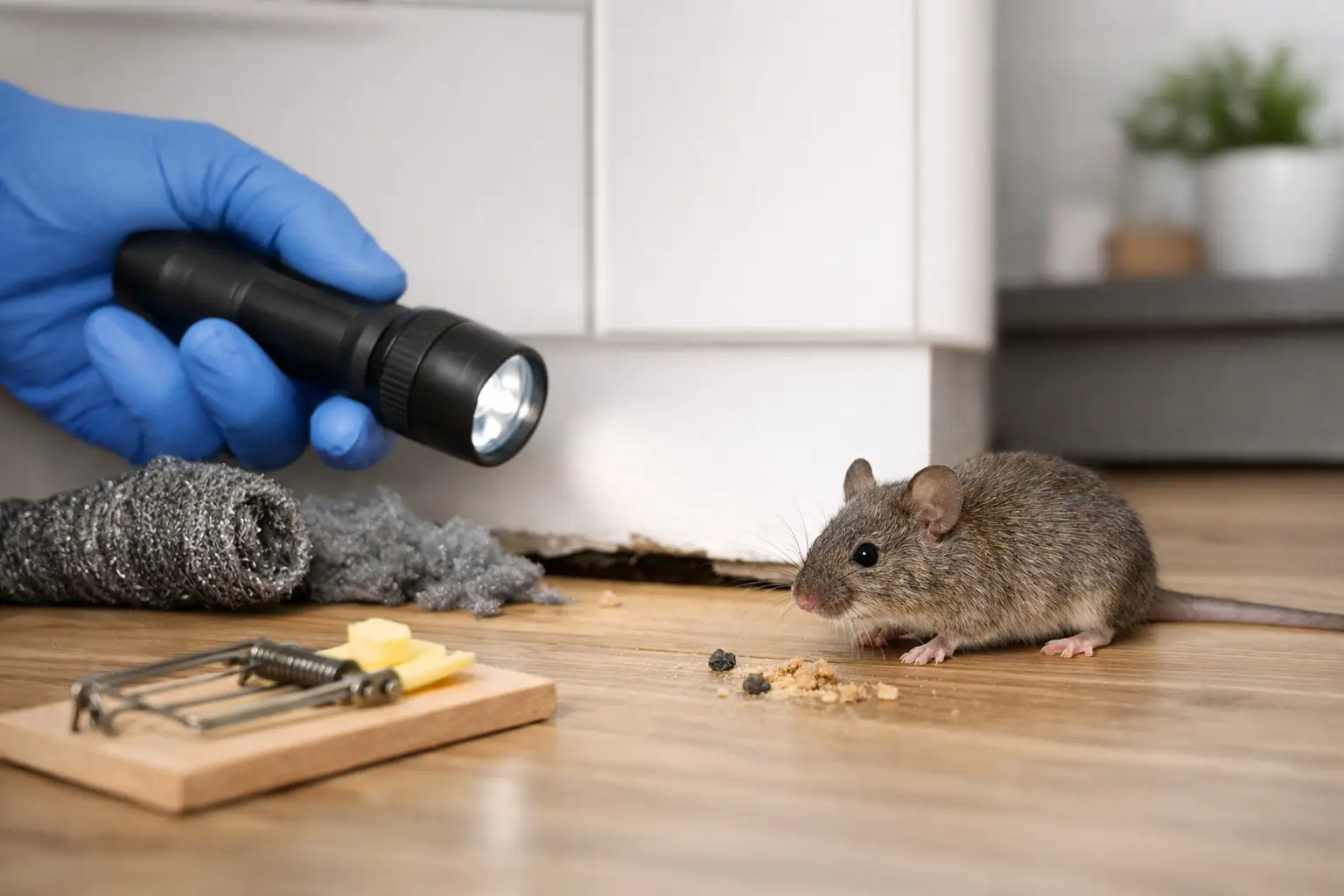
A mouse can enter through a gap little wider than a pencil, often around pipework beneath a kitchen sink, behind a washing machine or where cables enter the property. That is why learning how to prevent mouse infestation is less about keeping a perfectly tidy home and more about removing the three things mice need: access, food and shelter.
In London properties, this can be especially challenging. Older buildings, shared walls, basement storage, busy bin areas and regular deliveries can all create opportunities for rodents. The good news is that practical prevention makes a real difference, whether you manage a family home, a rented flat, a restaurant or an office.
How to prevent mouse infestation by blocking entry
Mice do not need an open door to get indoors. They follow warmth, food smells and familiar routes, then use gaps in brickwork, flooring and service openings to get inside. Start outside and work methodically around the building, paying close attention to ground level and rear access areas.
Check around water pipes, gas pipes, cable entries, air bricks, drains, damaged vents, doors and window frames. Look inside too, particularly under kitchen units, behind appliances, around boiler cupboards and where pipework disappears into walls. A gap may look insignificant, but it can be enough for a mouse.
Seal small gaps with an appropriate rodent-resistant material, such as wire mesh combined with a durable sealant. For larger openings, damaged air bricks or gaps around building services, professional proofing may be the safer long-term option. Expanding foam on its own is rarely reliable because mice can chew through it.
Do not overlook doors. Fit brush strips or door sweeps where there is daylight beneath an external door, and repair damaged weather seals. Keep garage doors, communal entrances and cellar access points closed where possible. In blocks of flats and commercial premises, one unsealed service route can affect several units, so prevention sometimes needs to be coordinated across the building.
Remove reliable food sources
A mouse does not need much food to settle in. Crumbs beneath a toaster, pet food left overnight, an unsealed cereal box or food waste in a bin can be enough to encourage repeat visits. Mice are persistent foragers, so a kitchen that appears clean at a glance may still offer a dependable food supply.
Store dry goods in hard containers with secure lids rather than relying on cardboard boxes or thin plastic packaging. This applies to flour, rice, cereal, biscuits, snacks and pet food. Keep fruit covered or refrigerated when possible, and do not leave bowls of pet food down overnight.
At the end of the day, wipe worktops, sweep around appliances and check beneath dining tables or sofas where snacks may have fallen. Empty indoor food bins regularly and ensure outdoor bins have tight-fitting lids. If recycling includes rinsed food containers, clean them before placing them in the bin. A bin area that is repeatedly overflowing can draw rodents towards the property before they ever get indoors.
For businesses, food control should be part of the closing routine, not an occasional deep clean. Restaurants, cafés, staff kitchens and break rooms need clear responsibility for cleaning, waste removal and checking for food debris. Even offices without a commercial kitchen can develop mouse activity if staff regularly eat at desks and bins are left full over a weekend.
Reduce nesting areas indoors and outside
Mice prefer quiet, undisturbed places close to food. Clutter gives them cover and nesting material, especially piles of paper, cardboard, textiles and stored bags. Keeping storage organised does not mean stripping a property bare. It means making likely hiding places easier to inspect.
Avoid storing cardboard directly on the floor in lofts, cupboards, garages and stockrooms. Use lidded plastic storage boxes where practical and leave a small gap between stored items and the wall. This allows you to see droppings, gnaw marks or shredded material before activity becomes established.
Outside, keep vegetation cut back from walls and remove piled rubbish, unused timber and dense debris near the building. Firewood should be stored off the ground and away from external walls. Bird feeders can also attract rodents if seed spills onto patios or soil below, so use a catch tray and clear fallen seed regularly.
Moisture deserves attention too. A dripping pipe beneath a sink or a poorly drained outdoor area can provide a convenient water source. Repair leaks promptly, keep drains clear and report persistent damp to a landlord or managing agent. Mice can survive with very little water, but removing easy access makes the property less attractive.
Know the early signs before numbers grow
Prevention is most effective when you act at the first sign rather than waiting for a clear infestation. Fresh mouse droppings are small, dark and rice-shaped, commonly found in cupboards, along skirting boards, under sinks and near food storage. You may also notice gnawed packaging, a musky smell, shredded paper or fabric, and faint scratching sounds in walls or ceilings after dark.
A single sighting should not be dismissed. Mice are usually more active at night and tend to stay hidden, so seeing one during the day can indicate that activity is already established or that food is readily available. It may also mean there is an entry point that needs urgent attention.
Do not rely on poisons or traps alone as a prevention plan. Traps can help monitor or reduce a small problem, but they do not close the gap that allowed mice in. Rodenticides also need careful, controlled use, particularly in homes with children or pets and in food premises where safety and compliance matter. The correct approach depends on the property, the level of activity and the likely route of entry.
When a landlord, tenant or business should act
In rented accommodation, report signs of mice promptly and in writing. Tenants can help by keeping food stored and reporting damage or gaps, while landlords and property managers may need to arrange repairs, proofing or treatment where the building condition is contributing to the issue. Clear communication prevents a small concern becoming a dispute as well as an infestation.
Facilities managers should treat rodent prevention as routine property maintenance. Record sightings, inspect vulnerable areas, monitor waste arrangements and ensure contractors or delivery teams do not leave external doors propped open. In hospitality, retail and food-related settings, rapid action protects hygiene standards, staff confidence and customer trust.
If you are finding fresh droppings repeatedly, hearing activity, seeing damage to food packaging or spotting mice in daylight, it is time for a professional inspection. A trained technician can identify entry routes that are easy to miss, assess the extent of activity and recommend treatment alongside proofing. Golden Pest Control provides responsive mouse control for homes and businesses, including urgent situations where prompt action is needed.
The most reliable prevention plan is one you can maintain: close the gaps, remove accessible food, reduce hiding places and respond quickly to new signs. A few regular checks around kitchens, bins and building services can protect your property long before mice have a chance to settle in.