
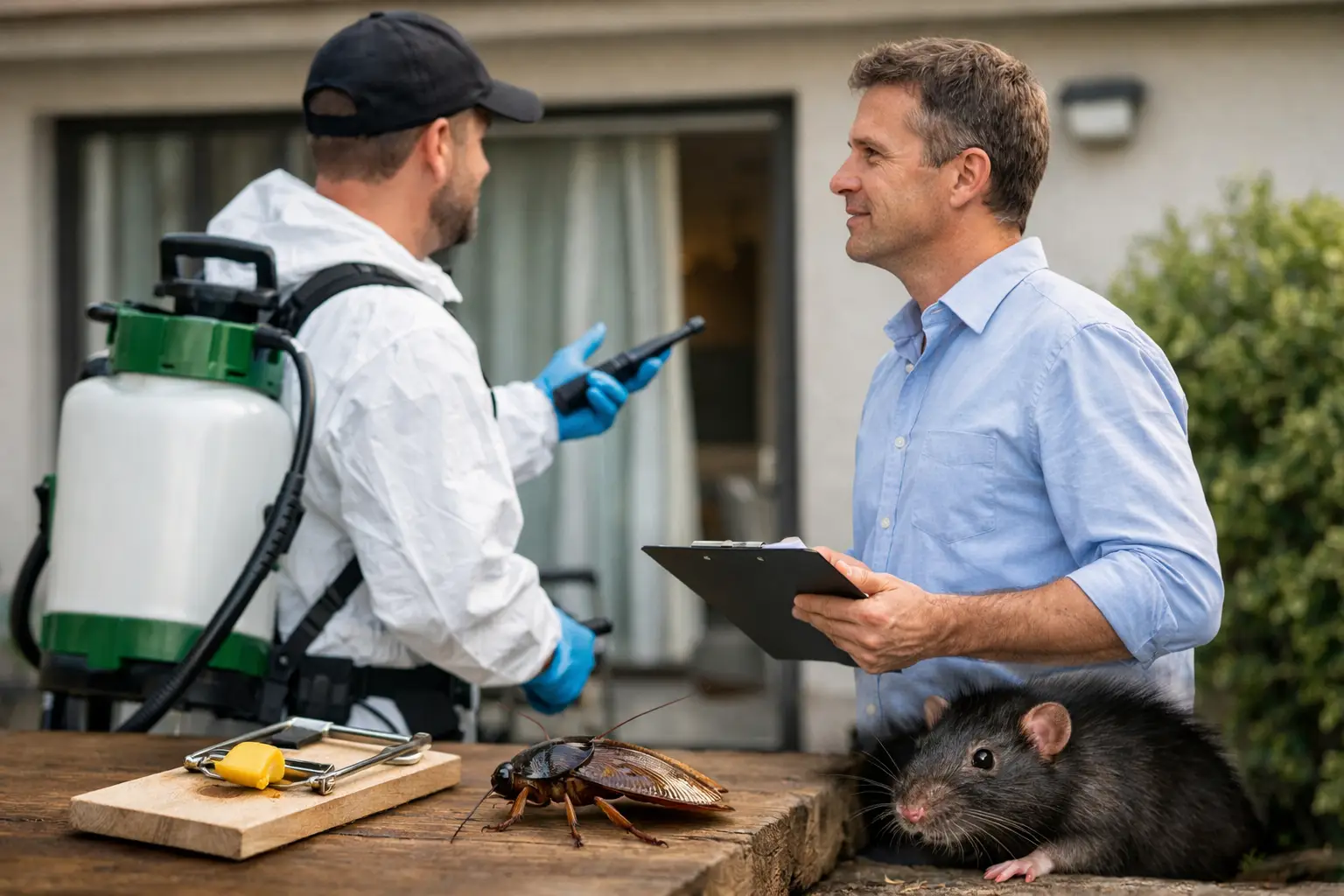
A tenant reports scratching behind the kitchen units, cockroaches around the cooker or bites appearing overnight. The right response is not to debate blame by email while the problem grows. This landlord pest control responsibilities guide explains what landlords normally need to do, where tenant responsibilities begin and how to act quickly enough to protect both the property and the people living in it.
For London landlords, pests can become a serious housing, repair and reputation issue in a matter of days. Rodents can damage wiring and pipework, bed bugs can spread through a building, and cockroaches can create hygiene concerns that are difficult to resolve without professional treatment.
When is pest control the landlord’s responsibility?
In most cases, a landlord is responsible when an infestation is linked to the property’s condition, a pre-existing issue or a failure to keep the home safe and habitable. The legal position depends on the tenancy agreement, the circumstances and the type of property, but responsibility is not simply decided by which tenant first sees a pest.
A landlord will commonly be expected to arrange treatment where pests are entering through holes in walls, damaged air bricks, gaps around pipes, broken drains, defective bins or other disrepair. The same applies if there was evidence of an infestation before the tenant moved in, or where a shared building issue is affecting several flats.
Under repair obligations, landlords must generally keep the structure and exterior of the property in repair, along with installations for water, gas, electricity, sanitation and heating. If a repair defect is allowing pests into the home, dealing with the pest alone is rarely enough. The entry point also needs to be repaired, sealed or otherwise addressed.
Housing standards matter too. A severe pest problem may make a home unsuitable to live in, particularly where it creates risks to health, food hygiene or safety. This is especially relevant for houses in multiple occupation, where landlords have additional responsibilities for common areas and waste arrangements.
Common situations where the landlord should act
Landlord responsibility is likely where rats are entering through a damaged drain, mice have access through holes left after building work, or cockroaches are present when a new tenant takes possession. It can also apply where an infestation has spread from a neighbouring flat through a building defect or shared service route.
Bed bugs require a careful, evidence-based approach. They are often brought into a property on luggage, furniture or clothing, but that is not always clear. If they are discovered soon after move-in, have spread between flats, or are connected to supplied furniture, the landlord should not assume the tenant is liable. Prompt inspection and professional advice are the sensible first steps.
When might the tenant be responsible?
Tenants have a duty to use the property in a tenant-like manner and to report problems promptly. If pest activity results directly from poor housekeeping, such as persistent food waste, unwashed dishes, overflowing rubbish or feeding birds and rodents, the tenant may be responsible for treatment costs.
That said, a landlord should avoid making a decision based on assumption alone. A clean flat can still have mice if there is an access gap behind a kitchen cupboard. A cockroach problem may originate from another home in the block. And a tenant who delays reporting a small issue may not have caused it, even if the delay has made the problem worse.
A fair approach is to establish the facts. Ask when the activity was first noticed, what has been seen, whether there are photographs, and whether any repairs or gaps are visible. A qualified pest controller can identify likely pest species, access points, nesting areas and conditions that support the infestation. Their findings can help keep discussions clear and avoid unnecessary disputes.
Landlord pest control responsibilities: a practical response plan
The best results come from treating pest control as both an urgent response and a property maintenance task. Killing visible pests without removing food sources, nesting sites and access routes often leads to repeat activity.
1. Acknowledge the report and gather essential details
Respond quickly, particularly where rats, mice, bed bugs, cockroaches or wasps are involved. Ask the tenant to describe what they have seen, where and when. Clear photos of droppings, insect activity, bites, damage or entry gaps can assist with initial assessment.
Do not ask tenants to use dangerous poisons, block suspected holes without advice or handle stinging insect nests themselves. These actions can create safety risks or push rodents deeper into the building.
2. Arrange an inspection rather than guessing
A professional inspection identifies more than the pest. It should establish the likely scale of activity, probable entry points, relevant hygiene conditions and whether treatment is needed in adjacent flats or communal areas.
For a single mouse sighting, monitoring and proofing may be enough. For widespread cockroach activity, bed bugs or an active rat infestation, a structured treatment programme is normally required. The right method depends on the species, the layout of the property, occupancy and the level of activity.
3. Complete the repair and proofing work
If the inspection finds a defect, arrange the repair without delay. This may include sealing gaps around pipework, repairing broken vents, fixing damaged drain covers, fitting brush strips or addressing holes in walls and flooring.
Proofing should be done properly. Expanding foam alone is not a reliable long-term barrier against rodents, which can chew through many materials. Durable materials and correct fitting are key, especially around service penetrations and external access points.
4. Give tenants clear treatment instructions
Pest treatments work best when occupants understand what is expected. Depending on the issue, this may include emptying cupboards, washing bedding at the recommended temperature, reducing clutter, storing food in sealed containers or keeping children and pets away from treated areas.
Provide instructions in writing and explain any return visits. Bed bug and cockroach treatments, in particular, may need follow-up appointments because eggs or hidden activity can survive an initial visit.
5. Keep accurate records
Keep the tenant’s original report, inspection notes, treatment reports, invoices, photographs and details of repairs. Records demonstrate that you acted reasonably and can be valuable if there is a later disagreement about costs, a deposit deduction or a complaint to the local authority.
Shared buildings, HMOs and commercial premises
Pests do not respect tenancy boundaries. In converted houses, blocks of flats and mixed-use buildings, the source may sit in a communal bin store, void, drainage system or neighbouring unit. Treating only one affected flat can be ineffective and unfair to the occupant.
Landlords or managing agents should coordinate access and treatment where needed, while respecting tenants’ right to quiet enjoyment. Reasonable notice is usually required for routine access, though serious emergencies may justify faster action. Good communication makes access far easier to secure.
For HMOs, regular waste management, clean communal kitchens and planned inspections are particularly important. Restaurants, shops and offices with residential space above them may also require coordinated action, as food storage, deliveries and waste can increase pest pressure around the building.
Can a landlord charge the tenant for pest control?
A landlord may be able to recover costs if there is reliable evidence that a tenant caused the infestation or breached a clear tenancy obligation. But charging automatically is risky. The cost should be proportionate, supported by evidence and handled in line with the tenancy agreement and deposit protection rules.
Where the cause is uncertain, it is usually wiser to prioritise treatment and investigation. A fast response protects the property, prevents complaints from escalating and reduces the chance that a minor issue becomes a costly infestation.
Prevention that protects the tenancy
Between tenancies, inspect cupboards, behind appliances, loft spaces, external walls, drains and bin areas. Remove abandoned rubbish, repair defects and check supplied furniture carefully for signs of bed bugs. During a tenancy, encourage early reporting and make it easy for tenants to raise concerns without feeling blamed.
For landlords in Wembley, Harrow, Ealing and across Greater London, fast professional support can make the difference between a contained problem and a vacant property. Golden Pest Control can inspect, treat and advise on practical proofing for urgent domestic and commercial pest issues.
A tenant who reports pest activity early is giving you the chance to protect your property. Respond with calm communication, a proper inspection and effective follow-through, and you give the problem far less room to spread.