
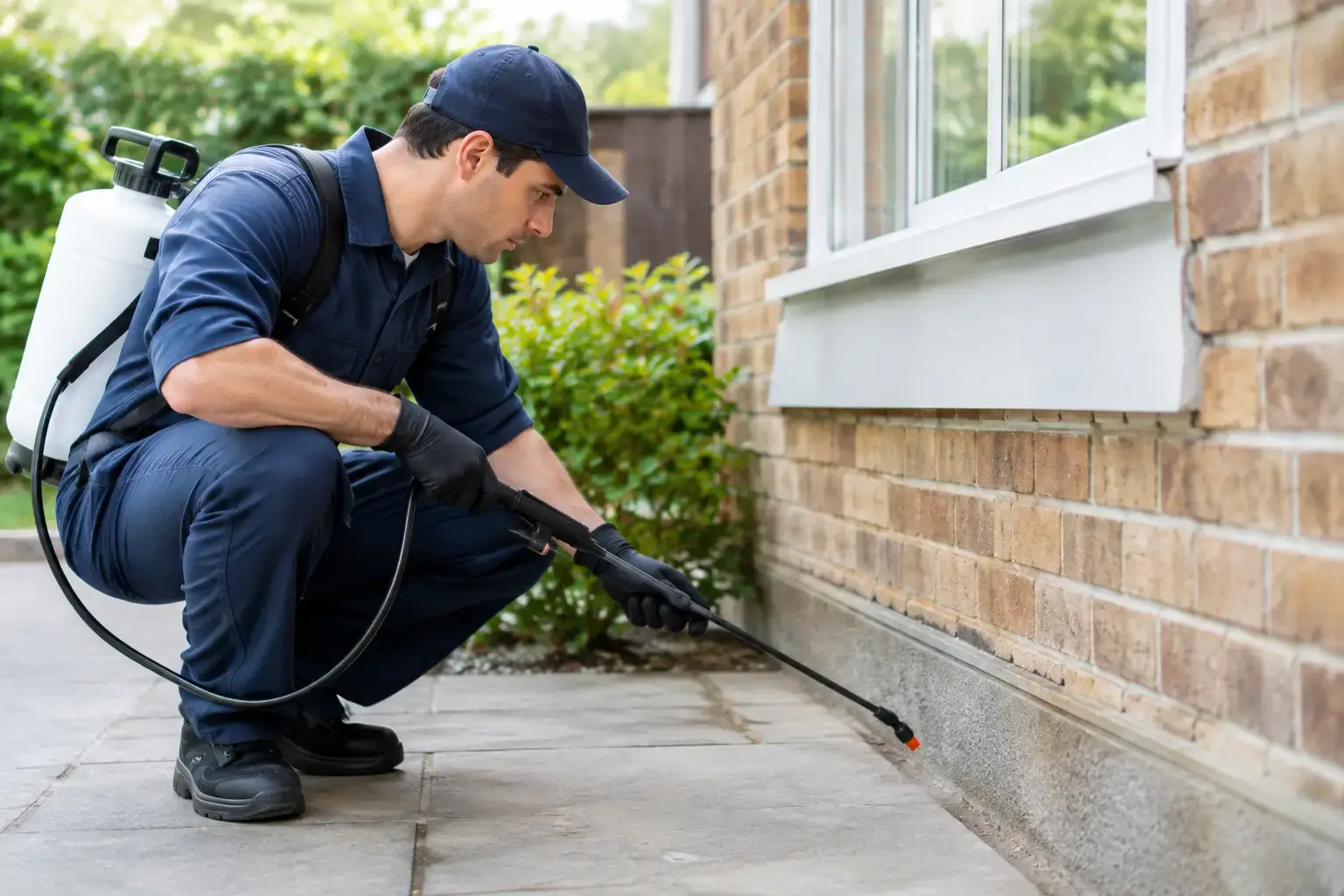
A rat scratching behind the kitchen units, bites appearing after a night’s sleep, or a wasp nest above the front door can make a property feel impossible to relax in. Pest control Cricklewood residents and businesses can rely on should be prompt, practical and focused on stopping the problem at its source – not simply making it less visible for a few days.
Urban pest problems rarely stay small for long. A mouse can access a home through a gap no wider than a pencil, bed bugs can move between rooms on bags or clothing, and cockroaches may remain hidden until numbers have grown. Acting early protects your comfort, hygiene and property, while usually making treatment more straightforward.
Pest Control Cricklewood Homes and Businesses Need
Cricklewood’s mix of houses, flats, shops, food premises and busy transport links creates plenty of opportunities for pests to find warmth, food and shelter. The right response depends on the species, the scale of activity and how the building is used. A family home with signs of mice needs a different approach from a restaurant dealing with cockroaches or a block manager responding to bed bugs.
A professional visit should begin with a careful inspection. This identifies where pests are active, how they are entering, what may be supporting them and whether there are risks in neighbouring areas. Treatment can then be tailored rather than based on guesswork. You should also receive clear advice on preparation, safety and the steps needed after treatment.
For urgent infestations, speed matters. Golden Pest Control provides rapid response and 24/7 emergency support for domestic and commercial pest issues, including problems that cannot wait until the next working day.
Common Pest Problems in Cricklewood
Rats and mice
Rodents are among the most urgent pest concerns in London properties. They contaminate food areas, damage insulation and wiring, and can spread bacteria through droppings and urine. Rats are often linked to drainage defects, refuse areas, gardens and gaps around pipework. Mice may nest in wall voids, lofts, cupboards and behind appliances.
Hearing movement at night is not proof on its own, but droppings, gnaw marks, greasy rub marks along walls and damaged food packaging are strong warning signs. Avoid putting down random poison from a shop without understanding the route of activity. Poorly placed bait can be ineffective and may leave you with an unpleasant odour if a rodent dies in an inaccessible void. A targeted programme combines control measures with proofing advice, so the property is less welcoming once activity has stopped.
Bed bugs and fleas
Bed bugs do not indicate poor housekeeping. They are skilled hitchhikers and can arrive through luggage, second-hand furniture, visitors or shared buildings. Small blood spots on bedding, shed skins, bites that appear after sleeping and insects around mattress seams can all suggest an issue. Fleas are more commonly connected with pets, previous occupants or wildlife access, but their bites can be equally distressing.
These pests need a methodical approach. Washing bedding alone may reduce signs but will not necessarily reach insects and eggs in bed frames, skirting boards, furniture and cracks. Follow the preparation instructions closely, including laundering items where advised and avoiding moving belongings into other rooms. This helps prevent the infestation spreading and gives treatment the best chance of succeeding.
Cockroaches, ants and other insects
Cockroaches favour warm, humid places with easy access to food and water, especially kitchens, utility spaces and service ducts. They are a serious concern in food-handling environments and multi-occupancy buildings because they can contaminate surfaces and move through concealed routes. Seeing one cockroach in daylight can indicate a larger hidden population.
Ants are often seasonal, but repeated trails indoors usually mean workers have found a dependable food source or a route into the building. Sprays may interrupt the trail temporarily, yet treating the nest and improving exclusion is often more effective. Other insect issues, from moths in stored textiles to flies around bins, also need the source addressed rather than a cosmetic treatment alone.
Wasps and bees
A few wasps in the garden may not require intervention. However, a nest in a roof space, wall cavity, shed, school entrance or near a business doorway can become a safety issue, especially for people with allergies. Do not block the entrance to an active nest or attempt to knock it down. Disturbed wasps can become aggressive and may find another route into the property.
Bees should be handled with care because of their vital role in pollination. Identification matters: a professional can advise on the safest and most appropriate action for the species and location.
What Effective Treatment Looks Like
A dependable pest control service does more than arrive with a treatment product. It should explain what has been found, why it is happening and what outcomes are realistic. Some issues can be resolved in one visit, while established rodent, bed bug or cockroach infestations commonly need follow-up inspections and treatment. That is not a sign of failure – it is often the responsible way to deal with a pest life cycle or an ongoing access point.
Before work starts, ask about the treatment plan, any preparations needed, the safety measures for children and pets, and whether follow-up is included. If you run a business, you may also need practical advice that works around staff, customers, trading hours, stock and hygiene obligations.
Professional-grade treatments should be applied by trained technicians who understand where and when they are appropriate. The aim is effective control with minimal disruption, not unnecessary chemical use. In many cases, monitoring, trapping, sanitation and proofing form as much of the solution as treatment itself.
Preventing Pests From Returning
Prevention is particularly valuable in properties with shared walls, communal bins, older pipework or frequent deliveries. It cannot guarantee that a pest will never enter, but it removes many of the conditions that allow a minor problem to become an infestation.
Keep food in sealed containers, clear spills promptly and do not leave pet food out overnight. Check under sinks and behind appliances for leaks, as water supports rodents and insects alike. Outdoors, keep refuse contained, avoid overfilled bins and cut back dense vegetation touching the building.
Small gaps deserve attention. Seal openings around pipes, damaged air bricks and cracks near doors where appropriate, but avoid closing an opening until you are confident no active rodent is trapped inside. For flats and commercial premises, report structural defects and communal-area issues quickly. One untreated bin store, drain or void can affect several units.
When to Arrange Urgent Pest Control
Some situations should not be watched and waited on. Arrange prompt help if you see rats indoors, find repeated rodent droppings in food areas, suspect bed bugs, spot cockroaches in a kitchen or workplace, or have an active wasp nest close to doors, windows or vulnerable people. Businesses should act quickly where pests could affect food safety, customer confidence or compliance.
Try to preserve useful evidence before a visit. A photograph of droppings, an insect or damage can help with identification. Note where and when you have seen activity, but do not handle pests or disturb a nest to get a better picture. If you are renting, notify your landlord or managing agent as well, particularly if the source may involve the building fabric or communal spaces.
A pest problem is easier to resolve when there is a clear plan, a quick response and practical prevention once treatment is complete. If something in your Cricklewood property does not look right, acting now can protect the people, premises and peace of mind that matter most.