
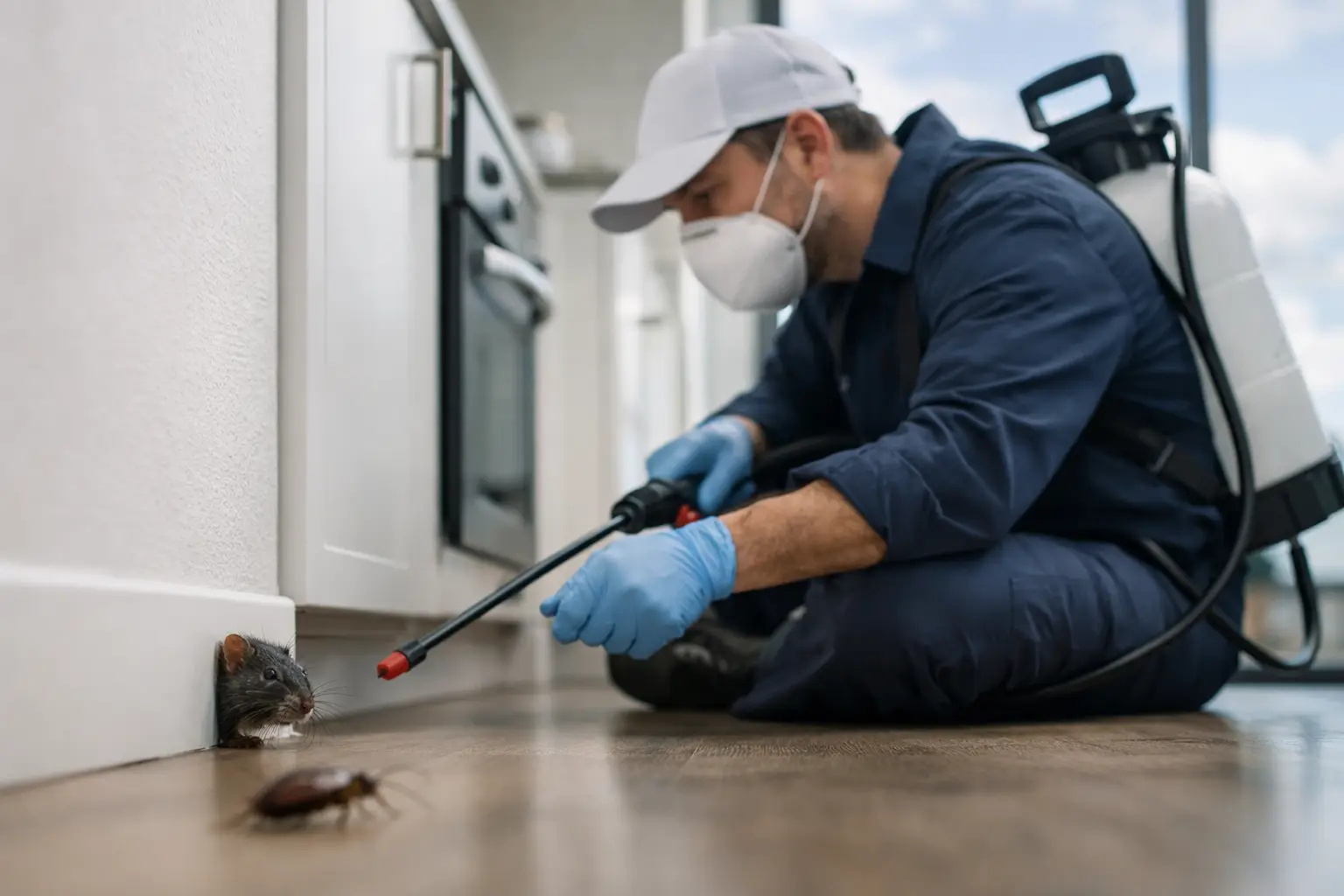
A rat appearing in the kitchen at night, bed bugs found before guests arrive, or a wasp nest close to a busy entrance can quickly turn into more than an inconvenience. Emergency pest control Wembley residents and businesses can rely on means responding calmly, identifying the real risk, and taking the right action without delay.
Not every pest sighting requires an urgent call-out. One ant near an open window is different from a trail through a food preparation area. But when pests threaten health, hygiene, property, or business operations, waiting can allow a manageable problem to become a larger infestation.
When Is Pest Control an Emergency?
An emergency is usually about the speed at which the issue can cause harm or spread. Rodents in a home, restaurant, office or rental property can contaminate food and leave droppings in hidden areas. Cockroaches can multiply rapidly and raise serious hygiene concerns, particularly around kitchens, communal spaces and food premises.
Bed bugs are equally urgent when people are being bitten or when there is a risk of carrying them between rooms or properties. They do not disappear because a room is left unused for a few days. Without a targeted treatment, they can remain hidden around bed frames, skirting boards, furniture and soft furnishings.
Wasps also deserve prompt attention when a nest is near a doorway, garden seating area, loft entrance, school route or workplace. Disturbing a nest can lead to multiple stings, so it is not a job for household sprays or improvised removal methods.
For commercial premises, urgency can be higher still. A pest issue may affect hygiene standards, staff safety, customer confidence and the ability to continue trading. Facilities managers and business owners need clear advice, a rapid attendance where needed, and a treatment plan that supports their responsibilities.
Emergency Pest Control in Wembley: The First Steps
The most useful thing you can do is avoid making the situation worse. Do not handle rodents, disturb a wasp nest, move suspected bed bug items through the property, or use several shop-bought products at once. This can scatter pests, mask the source of the issue and make professional treatment less effective.
If you have seen a rodent, keep children and pets away from droppings and avoid sweeping or vacuuming them dry. Food should be sealed, and damaged packaging should be disposed of safely. Note where you saw activity, including sounds in walls or ceilings, gnaw marks, grease marks and possible entry points.
With cockroaches, take photographs if possible and record where they were seen. Kitchen cupboards, areas behind appliances, boiler rooms and drainage points can all provide useful clues. Do not rely on seeing pests during the day as proof that the problem is small. Daytime cockroach activity can indicate that hiding spaces are overcrowded.
For suspected bed bugs, avoid sleeping in a different room if you can. Moving to the sofa or spare room may spread the infestation. Keep bedding in place until a professional has advised you, and do not discard furniture in communal areas where others could pick it up or spread pests further.
What a Professional Emergency Visit Should Include
Fast attendance matters, but effective pest control is not simply a matter of applying a treatment product. A qualified technician should inspect the affected areas, identify the pest correctly and assess the extent of the activity before recommending a course of action.
For rodent control, this includes looking for access points, nesting areas, food sources and evidence of movement. Treatment may involve carefully placed control measures alongside proofing advice, because removing one rat or mouse without addressing how it entered leaves the property exposed to another problem.
For bed bugs and cockroaches, a treatment programme is often necessary. Eggs, harbourage areas and pest life cycles all affect the timing and number of visits required. Honest advice is essential here: a provider should explain what preparation is needed, what you can expect after treatment and whether follow-up visits are recommended.
Wasps are different. The aim is to treat the active nest safely and reduce the risk around the site. A technician will assess its location and access requirements, particularly where nests are high up, inside roof spaces or close to public areas.
At Golden Pest Control, emergency work is approached with the same care as planned treatments: clear communication, safe methods and practical prevention advice once the immediate threat is under control.
Common Emergencies We See in Homes and Businesses
Rats and Mice
Rodents are among the most urgent call-outs because they can damage cables, insulation, stock and stored food. In homes, activity is often noticed in kitchens, lofts, garages and under floorboards. In commercial settings, waste storage, delivery areas and suspended ceilings can create hidden routes.
A single sighting does not always show the full scale of the problem. Mice can enter through very small gaps, while rats may use damaged drains, gaps around pipes or openings beneath doors. Prompt inspection helps establish whether you are dealing with an isolated visitor or ongoing activity.
Bed Bugs and Fleas
Bed bugs are often brought in through luggage, second-hand furniture or shared living environments. Their bites can be distressing, but bites alone are not enough to confirm the pest. Small blood marks on bedding, dark spotting around a mattress seam and live insects are stronger signs.
Fleas may be linked to pets, previous occupants or wildlife near the property. Treatment works best when the source is considered as well as the affected room. If pets are involved, speak to a vet about appropriate animal treatment while pest control addresses the environment.
Cockroaches and Other Insects
Cockroaches require decisive action due to their link with contamination and their ability to hide in warm, inaccessible areas. They are a major concern for restaurants, takeaways, landlords and shared accommodation, though they can affect any property.
Ants, flies and other insects can also become urgent where food safety, customer-facing areas or large numbers are involved. The right response depends on the species, the location and what is attracting them. Treating visible insects without removing food, moisture or access points rarely provides a lasting result.
Why Quick Action Does Not Mean Rushed Treatment
It is understandable to want a pest gone immediately. However, some infestations cannot be safely or reliably resolved in one visit. Bed bugs, for example, may require follow-up treatment to target newly emerged insects. Rodent control may need monitoring to confirm activity has stopped and proofing work to prevent re-entry.
The best emergency service combines a rapid initial response with a realistic plan. You should know what treatment is being carried out, how to protect children and pets, whether you need to leave an area temporarily, and what signs to watch for afterwards.
Price can also depend on the pest, the size of the property, access, infestation level and whether repeat visits are necessary. Be cautious of promises that sound too simple for a complex problem. A professional should be able to explain the likely process before work begins.
Preventing the Next Emergency
Once the immediate issue has been treated, prevention is the part that protects your property over time. Keep food in sealed containers, clear crumbs and spills promptly, manage rubbish properly and avoid allowing bags or cardboard to build up in storage areas. Repair leaks, as pests are often drawn to reliable water sources.
For landlords and managing agents, regular inspections of voids, bin stores, shared kitchens and external areas can reveal problems early. Businesses should pay particular attention to delivery doors, drains, food storage and staff areas. Small gaps around pipes, vents and doors should be sealed where practical, while damaged screens and loose exterior fittings should be repaired.
If you are unsure whether a pest problem is urgent, trust the signs rather than hoping they will pass. Early advice can prevent disruption, protect the people using your property and give you a clear route back to a clean, secure space.