
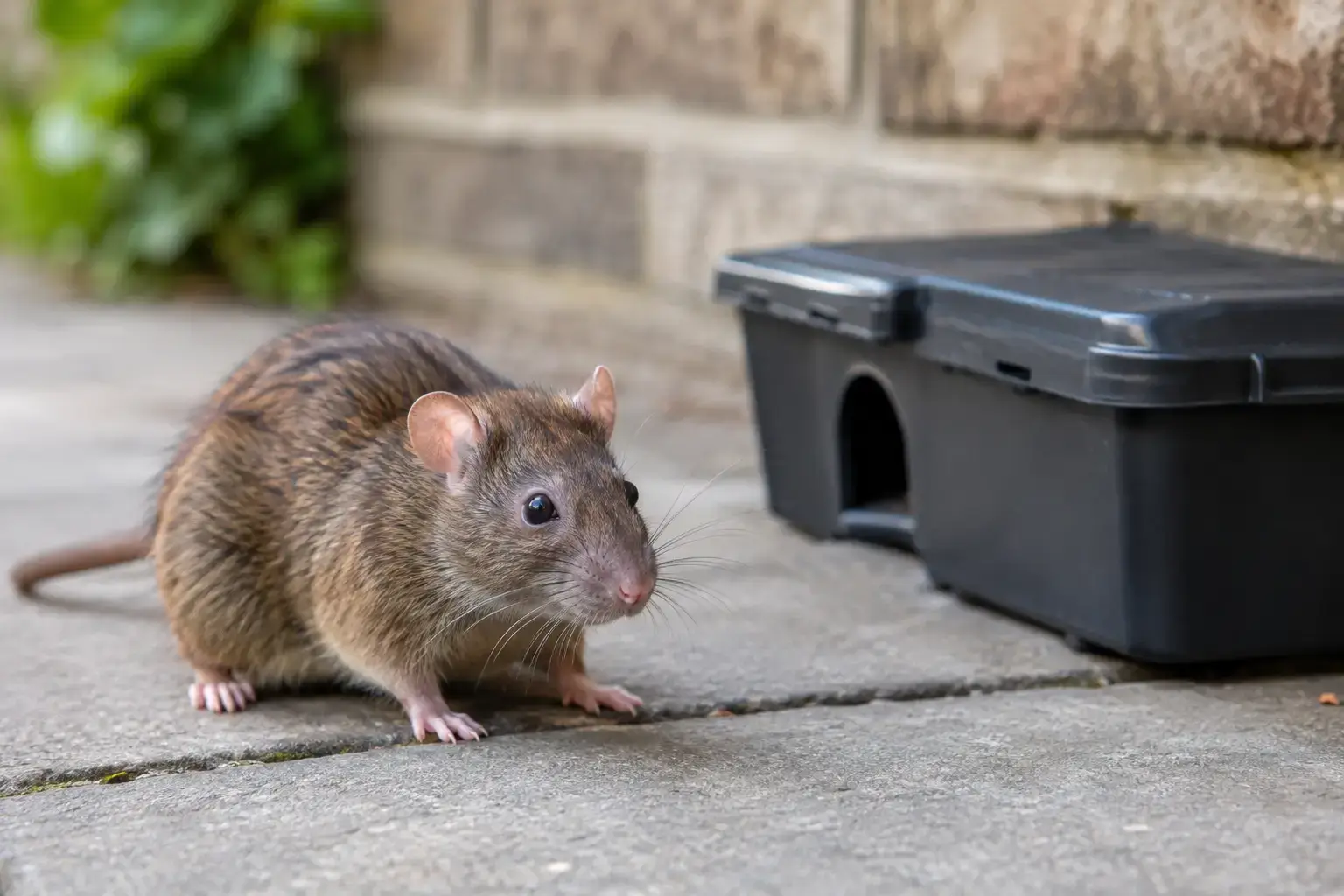
A rat sighting in a kitchen, loft or business premises is rarely a one-off. Rats are cautious, mostly active when a property is quiet, and highly capable of finding warmth, food and shelter in London buildings. Fast rat control / rat removal London services can stop a small concern becoming damage to wiring, contamination of food areas or an ongoing infestation affecting neighbouring properties.
The right response is not simply to put down bait and hope for the best. Effective treatment begins by identifying where rats are travelling, what is attracting them and how they are entering. That is how the problem is removed safely and recurrence is far less likely.
Signs You May Have Rats on Your Property
Seeing a rat is the clearest sign, but many infestations are discovered through the evidence they leave behind. Fresh droppings are dark, moist and usually found near food sources, behind appliances, in cupboards, along skirting boards or in loft spaces. Scratching, gnawing or scurrying sounds after dark can also indicate activity in walls, ceilings or under floorboards.
Look for chewed packaging, teeth marks on wood or cables, greasy rub marks along walls, and a strong stale smell in enclosed areas. Outdoors, disturbed rubbish bags, burrows near sheds or patios, and holes around drains can point to a rat harbourage nearby.
A single sign does not always reveal the scale of the issue. A rat may be moving through from a neighbouring garden, drain or adjoining flat, while repeated signs normally mean there is a reliable food source or access point on the property. An inspection is the quickest way to establish which situation you are dealing with.
Why Rat Problems Need Prompt Action
Rats breed quickly when conditions are favourable. What begins as occasional movement in a loft can become a larger problem before a household or business sees regular activity. They can damage insulation, gnaw plastic pipework and electrical cabling, and contaminate surfaces or stored food with droppings and urine.
For landlords, facilities managers and food businesses, rats can also create a serious hygiene and compliance concern. Delaying action may lead to tenant complaints, loss of customer confidence or disruption to normal operations. In shared buildings, treating only one visible area may not be enough if rodents are moving through communal voids, bin stores, drains or external gaps.
There is a practical balance to strike. Not every sighting requires major works, but waiting for the situation to become obvious is rarely the cost-effective option. Early professional treatment is usually more targeted, less disruptive and easier to manage.
How Professional Rat Removal in London Works
A reliable rat removal service should focus on the source of the activity as well as the rodents themselves. At Golden Pest Control, the process is designed around clear communication, safe treatment and practical prevention for homes and commercial premises.
Inspection and risk assessment
The first visit assesses the level of activity and likely access routes. This can include checking kitchens, lofts, utility spaces, basements, bin areas, gardens, drains and structural gaps. A qualified technician will consider who uses the property, including children, pets, residents, customers and staff, before recommending a treatment plan.
The cause matters. Rats may be drawn in by accessible refuse, bird feed, pet food, leaking pipes, cluttered storage or gaps around utility entries. In commercial settings, delivery areas and waste management arrangements are often just as relevant as the interior of the building.
Targeted treatment
Treatment may involve professionally placed bait stations, traps or a combination of methods, depending on the property and the level of activity. Placement must be controlled and monitored rather than left exposed. This is especially important in homes with pets and children, and in businesses where hygiene standards must be maintained.
DIY products can sometimes help with very limited activity, but they often fail when entry points and nesting areas are missed. Loose poison is a poor substitute for a structured plan. It can create avoidable risks, leave the main route untreated and, in some cases, result in an unpleasant odour if a rodent dies in an inaccessible void.
Follow-up visits and proofing advice
Rats are not considered dealt with simply because activity has reduced for a few days. Follow-up checks allow the technician to monitor bait take or trap activity, reassess signs and adjust the treatment where necessary. The final stage is prevention: advice on proofing, waste storage and housekeeping that removes the conditions rats rely on.
Proofing may involve sealing small gaps around pipes, repairing damaged air bricks with appropriate mesh, fitting brush strips to doors or addressing defects around drains. It depends on the construction of the property. Ventilation openings and drainage systems should never be blocked without proper consideration, as this can create other building problems.
Practical Steps Before Help Arrives
If you suspect rat activity, avoid disturbing droppings or trying to chase rodents out of hiding. Keep people and pets away from affected areas where possible, particularly if you have found chewed cables or evidence around food storage.
You can make the property less attractive by securing food in hard containers, cleaning spills promptly and keeping refuse in bins with tight-fitting lids. Do not leave pet food out overnight. Move stacked bags, timber and unused items away from external walls where practical, as sheltered clutter can give rodents cover.
If droppings need to be cleaned, wear suitable gloves, dampen the area first to avoid creating dust, and disinfect the surface afterwards. Do not sweep or vacuum dry droppings. For a significant amount of contamination, or if activity is continuing, professional guidance is the safer option.
Rat Control for Homes, Flats and Businesses
Every London property presents different challenges. In a terraced house, rats may move through shared drainage runs or gaps beneath extensions. In a block of flats, the source may involve communal bins, risers, service ducts or another unit. A garden infestation can be related to a compost heap, bird feeding or a burrow close to a shed, but may still lead indoors if access is available.
Commercial premises need a treatment plan that protects both operations and reputation. Restaurants, offices, shops, warehouses and managed properties often need discreet appointments, documented visits and clear recommendations for staff or contractors. The aim is to resolve the immediate issue while helping the business maintain a clean, well-managed environment.
Emergency support can be particularly valuable when rats are found in a food preparation area, when chewed wiring raises a safety concern, or when tenants and customers are affected. A 24/7 service means urgent cases can be assessed quickly rather than left to worsen overnight or over a weekend.
Choosing a Rat Removal Service
Choose a provider that explains what they have found, what treatment they recommend and what you need to do between visits. A clear plan is more reassuring than a vague promise to remove rats quickly. Ask whether follow-up is included, how treatments are made safe around children and pets, and what proofing work or maintenance is likely to be required.
For properties across Greater London, local knowledge also helps. Dense housing, ageing drains, busy commercial waste areas and shared boundaries mean rodent activity does not always stop at one doorstep. A professional service should account for those wider conditions without over-treating your property.
If you have seen fresh droppings, heard repeated activity or found damage around food, wiring or pipework, act while the signs are still limited. A prompt inspection gives you a clear picture of the problem and a practical route back to a clean, protected property.