
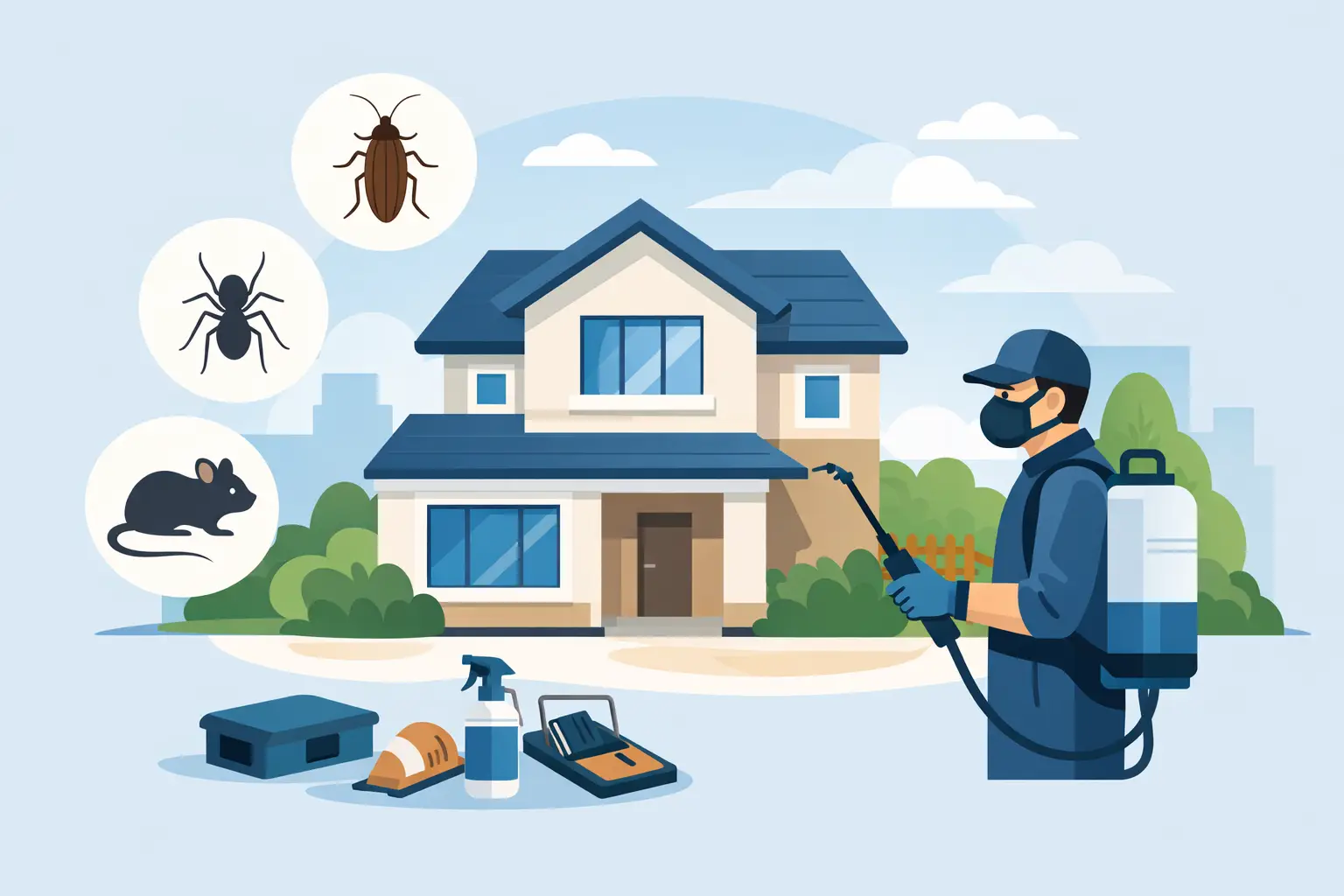
A scratching sound behind the wall at night, bites that appear by morning, or a line of ants across the kitchen worktop can turn a normal day into a stressful one very quickly. If you are asking what is residential pest control, the short answer is this: it is the inspection, treatment, removal, and prevention of pests in and around the home, carried out in a way that protects your property, health, and peace of mind.
For most households, pest control is not just about getting rid of something unpleasant. It is about restoring a safe living space. In a home setting, pests can contaminate food, damage wiring and insulation, spread bacteria, trigger allergies, and make it difficult to sleep or relax. That is why professional residential pest control focuses on both immediate action and longer-term prevention.
What Is Residential Pest Control and What Does It Cover?
Residential pest control refers to pest management services for houses, flats, maisonettes, rental properties, and other domestic spaces. It covers common household infestations such as rats, mice, bed bugs, fleas, cockroaches, ants, moths, wasps, bees, and other nuisance insects.
The exact service depends on the pest, the scale of the problem, and the layout of the property. A mouse issue in a terraced house requires a different approach from a bed bug infestation in a block of flats. The same is true for a wasp nest in a loft, a cockroach problem in a kitchen, or fleas brought in by pets. Good residential pest control is never one-size-fits-all. It starts with finding the source, understanding how the pest is entering or breeding, and choosing the safest effective treatment for that specific home.
In London homes, this often means dealing with urban pest pressures that are made worse by shared walls, dense housing, food waste, ageing buildings, and seasonal changes. A problem in one property can sometimes affect neighbouring homes, especially with rodents, bed bugs, and cockroaches.
How Residential Pest Control Works
A professional service usually begins with an inspection. This is where the technician identifies the pest, checks the level of activity, looks for entry points, nesting areas, food sources, moisture issues, and signs of spread. That first step matters because many pests leave similar clues. For example, people often mistake flea bites for bed bug bites, or think they have mice when the issue is actually rats.
Once the pest is confirmed, a treatment plan is put in place. This may involve traps, targeted insecticide treatments, baiting systems, proofing recommendations, nest removal, monitoring, or follow-up visits. In some cases, one visit is enough. In others, especially with bed bugs, rodents, or heavier infestations, more than one treatment is the sensible option.
Clear communication is a major part of the process. Residents need to know what is being done, whether they need to prepare any rooms, how long treatment will take, and what they should do afterwards. A professional service should explain this in straightforward terms, without making the problem sound worse than it is.
The Difference Between DIY and Professional Treatment
Many people try shop-bought sprays, traps, or powders first. That can work for a very minor issue, particularly when the pest is obvious and the activity is limited. A few ants near a doorway in summer might be manageable with basic hygiene measures and a suitable treatment. The trouble starts when the problem is larger, hidden, recurring, or misidentified.
DIY pest control often deals with the pests you can see, not the reason they are there. If mice are getting in through a gap behind kitchen units, or bed bugs are spreading between rooms, surface treatment alone will not solve it. The same applies if a wasp nest is active inside a wall cavity or if cockroaches are breeding in warm hidden spaces.
Professional residential pest control brings proper identification, access to stronger and more precise treatments, and the experience to handle risk safely. It also reduces the chance of wasting time while the infestation gets worse. That matters in homes with children, pets, elderly relatives, or tenants who need the issue resolved quickly.
Common Pests Found in Homes
Rodents are among the most urgent domestic pest issues. Rats and mice can chew cables, contaminate food cupboards, damage insulation, and spread harmful bacteria through droppings and urine. They are also good at staying hidden, so by the time they are noticed, there may already be an established problem.
Bed bugs cause a different kind of disruption. They do not care whether a home is spotless or cluttered. They hitchhike on luggage, clothing, or second-hand furniture and feed on blood, usually at night. People often first notice itchy bites, blood spots on bedding, or a sweet musty smell in heavier infestations.
Cockroaches are another serious concern because of the hygiene risks involved. They thrive in warm, damp environments and can spread quickly if left untreated. In kitchens and bathrooms, they can be especially difficult to control without professional support.
Ants, fleas, moths, wasps, bees, and other insects can range from nuisance to urgent hazard, depending on the species and the scale of activity. A single wasp near a window is one thing. A nest above a bedroom ceiling is another.
When to Call for Residential Pest Control
Timing matters. The earlier a pest issue is treated, the easier it usually is to contain. Waiting too long often allows the infestation to spread, increases treatment complexity, and adds unnecessary stress.
You should consider professional help if you notice repeated signs of pest activity, unusual smells, droppings, scratching noises, bite marks, nests, damaged food packaging, or insects appearing in multiple rooms. You should also act quickly if there is any immediate risk to health or safety, such as stinging insects near children, rodents in food preparation areas, or bed bugs affecting sleep across the household.
For landlords and tenants, speed is especially important because pest issues can escalate into disputes if not handled properly. A prompt inspection creates clarity. It shows what the problem is, how serious it is, and what needs to happen next.
What Good Residential Pest Control Should Include
A reliable service does more than arrive with treatment products. It should include a proper assessment, a clear explanation of the issue, safe and suitable treatment, and practical prevention advice tailored to the property.
That prevention side is often what makes the difference between temporary relief and lasting control. Depending on the pest, this might involve sealing entry points, improving waste storage, reducing clutter in high-risk areas, addressing moisture, protecting food, or arranging follow-up monitoring. In some properties, especially older homes or converted flats, structural weak points make recurring problems more likely unless they are addressed.
A good provider also respects the fact that this is your home. Treatment should be carried out professionally, discreetly, and with clear guidance on safety for children and pets. Fast response matters, but so does doing the job properly.
Why Residential Pest Control Is Preventive as Well as Reactive
People often think of pest control as something you book once pests are already present. In reality, prevention is a key part of the service. Homes with previous infestations, nearby building works, shared waste areas, or seasonal wasp and rodent activity may benefit from early intervention before the issue becomes disruptive.
This is particularly relevant in busy urban areas where pests move easily between buildings. In places such as Wembley, Harrow, Ealing, and across wider London, housing density can increase the risk of repeat problems if infestations are ignored or only partly treated. A preventive approach helps reduce that risk.
What to Expect After Treatment
Results depend on the pest involved. Some problems improve almost immediately, while others take time and follow-up. With rodents, activity may reduce quickly once baiting and proofing are in place, but monitoring is still important. With bed bugs, one treatment may not be enough because eggs can survive and hatch later. With insect issues, preparation and aftercare often affect how successful the outcome will be.
That is why realistic advice matters. Good pest control is not about overpromising. It is about using the right method, acting quickly, and giving residents confidence that the problem is being handled properly.
If you have been wondering what is residential pest control, think of it as a practical service that protects your home from unwanted intruders and helps stop them coming back. The best time to deal with a pest problem is before it settles in fully, because a quicker response nearly always means a safer, simpler outcome for everyone at home.