
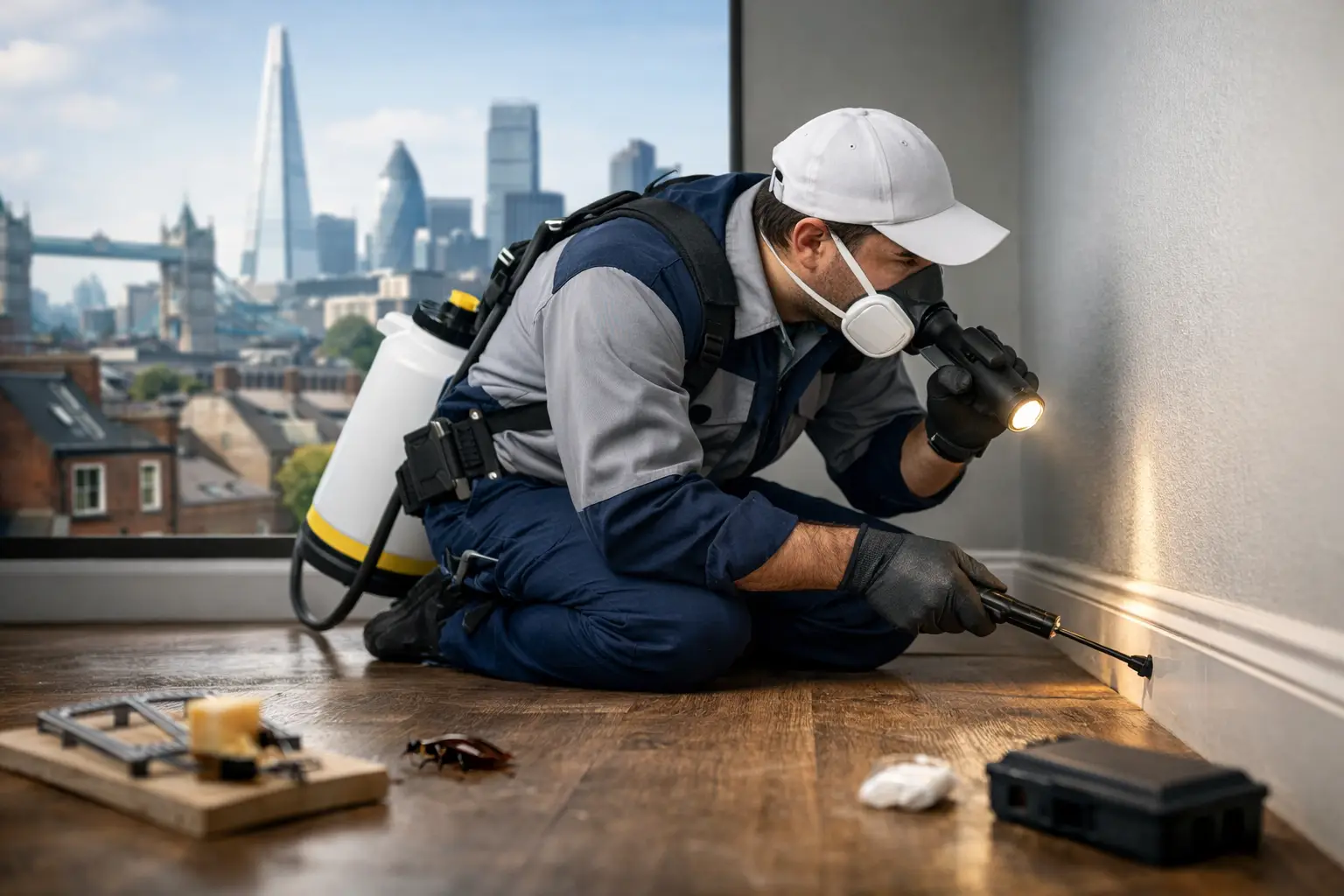
A pest problem rarely arrives at a convenient time. One rat sighting in a kitchen, a line of ants across a worktop, or a wasp nest near the roofline can go from worrying to disruptive very quickly. That is why a clear pest control services list matters – it helps homeowners, tenants, landlords and business managers understand what help is available, what each service covers, and when fast action is the right call.
In London, pest issues tend to be shaped by dense housing, older buildings, busy commercial premises and constant movement of people and goods. That means the right service is not only about removing the pest you can see. It is also about finding the source, treating the risk properly and reducing the chance of the problem returning.
What a pest control services list should include
A useful pest control services list is more than a menu of pest names. It should show whether the provider handles homes and businesses, whether emergency visits are available, and whether treatment includes inspection, removal and prevention advice.
For most residential and commercial clients, the essential categories are rodent control, bed bug treatment, flea treatment, cockroach control, ant and crawling insect treatment, and wasp or bee response. Some companies also cover outdoor pest issues and ongoing pest management contracts for commercial premises.
The key point is that different pests need different methods. A mouse problem in a loft is not treated the same way as bed bugs in a bedroom or cockroaches in a restaurant kitchen. Safe, effective pest control depends on matching the treatment to the pest, the property and the level of infestation.
Rodent control services
Rats and mice are among the most urgent call-outs because they can damage wiring, contaminate food areas and spread bacteria. In homes, signs often include scratching in walls or ceilings, droppings, gnaw marks and strong odours. In businesses, rodents can also create serious hygiene and compliance concerns.
A proper rodent control service usually starts with inspection. The technician looks for entry points, nesting activity, food sources and movement routes. Treatment may involve traps, baiting programmes, proofing recommendations and follow-up visits. It depends on the severity of the infestation and whether the property is domestic or commercial.
For many clients, speed matters most here. If rats are active in a kitchen, stockroom or communal area, waiting often makes the problem harder and more expensive to control.
Bed bug and flea treatments
Bed bugs cause a different kind of stress. They are not linked to poor housekeeping, but they spread easily through luggage, furniture and shared buildings. Because they hide in mattress seams, bed frames, skirting boards and soft furnishings, they are difficult to remove without professional treatment.
A bed bug service should include careful inspection of sleeping areas and nearby hiding spots, followed by targeted treatment. More than one visit may be needed because eggs can survive initial applications. Clear preparation advice is also essential, as clutter, unwashed bedding or missed rooms can reduce treatment success.
Flea treatments are often needed in homes with pets, but not always. Fleas can remain active in carpets, sofas and cracks in flooring long after the original host has gone. Professional treatment focuses on active areas, while the occupier may need to wash fabrics, vacuum thoroughly and treat pets through a vet-recommended approach. The best result comes from tackling all parts of the problem at once.
Cockroach control services
Cockroaches are a major concern in both domestic and commercial settings because they thrive in hidden, warm spaces and can quickly multiply. They are especially serious in food handling environments, shared accommodation and buildings with service voids or pipe runs.
Cockroach control normally involves inspection, species identification and targeted gel or insecticidal treatment placed in harbourage areas. Hygiene advice matters, but cleanliness alone will not eliminate an active infestation. These pests are resilient, and incomplete treatment often leads to the problem reappearing.
Where the property is a business, discretion and timing can be just as important as treatment. Visits may need to be arranged around opening hours, customer traffic or staff access, particularly in restaurants, shops and office premises.
Ant and insect treatments
Not every insect issue is an emergency, but that does not mean it should be ignored. Ants can spread through kitchens and patios in large numbers, and other crawling insects can create persistent hygiene concerns or general distress indoors.
Ant control usually focuses on identifying the type of ant, locating entry routes and treating nests or foraging paths. A few visible ants may only be a small part of the issue. If treatment only targets the surface activity, the colony may continue producing more.
General insect treatments can also cover silverfish, beetles or other occasional invaders, depending on the property and the season. Here, a good provider will be honest about trade-offs. Some issues need immediate treatment, while others can be handled with monitoring, minor proofing and practical changes to moisture or storage conditions.
Wasp and bee call-outs
Wasp problems often become urgent in summer, especially when nests are close to entrances, gardens, lofts or commercial outdoor areas. The risk is not just nuisance. For households with children, pets or anyone with a sting allergy, a nest can become a genuine safety concern.
Wasp nest treatment should only be carried out by trained professionals using the correct protective equipment and products. Trying to knock down or block a nest without treatment can make the colony aggressive.
Bee call-outs need a more careful response. Bees play an important environmental role, so identification matters. In some cases, what looks like a wasp problem turns out to be bees, and the right action may differ. A responsible service should assess the situation properly before deciding on removal or referral.
Services for homes, landlords and businesses
One reason a pest control services list is useful is that different clients need different levels of support. A homeowner may need a one-off treatment and advice on proofing a loft hatch. A landlord may need a documented visit, clear findings and recommendations between tenancies. A business may need repeat inspections, discreet attendance and a long-term pest management plan.
Commercial pest control usually goes beyond treatment alone. It can include routine monitoring, reporting, bait station checks and prevention measures designed to support hygiene standards and reduce disruption. This is especially relevant for food premises, hospitality sites, offices and managed buildings.
In rental properties, there can also be practical questions about responsibility. The cause of the infestation, the tenancy agreement and the condition of the property all matter. A professional contractor should explain the issue clearly so the next step is based on evidence rather than guesswork.
Emergency pest control and when it matters
Not every pest issue needs a middle-of-the-night visit, but some do need same-day attention. Rats inside living areas, bed bugs in guest accommodation, cockroaches in food businesses, or wasps near occupied entrances all justify fast response.
Emergency availability is valuable because pest problems rarely follow office hours. If the issue threatens health, safety, trading conditions or basic use of the property, delaying action can raise both the risk and the cost.
This is where a responsive local company makes a real difference. For customers across areas such as Wembley, Harrow, Ealing and wider London, knowing help is available quickly can take a lot of pressure off a difficult situation.
How to choose the right service from the list
The best choice depends on three things: what pest is involved, how urgent the problem is, and what type of property is affected. If you are not sure which pest you are dealing with, the first step should be inspection rather than guessing. The wrong treatment wastes time and can scatter activity into new areas.
It also helps to ask what is included. Does the visit cover inspection only, treatment only, or both? Are follow-up visits recommended? Will you receive prevention advice afterwards? Clear answers are a good sign that the company is organised and experienced.
For many clients, reassurance matters just as much as technical skill. You want qualified professionals who explain the process plainly, work safely and treat the property with respect. Golden Pest Control takes that approach because people calling about pests are not looking for jargon – they want the problem handled properly.
A reliable pest control service should leave you with more than a temporary fix. It should give you a clear understanding of what was found, what was done and what comes next. When that happens, the service list stops being a set of categories and becomes something more useful: a practical route back to a safe, pest-free property.